
Blended strain cannabis is redefining the way connoisseurs approach quality and customization, with over 85 percent of American enthusiasts reporting interest in strains tailored to their unique preferences. This evolving category sidesteps traditional indica and sativa labels, focusing instead on the chemical profile for a truly versatile experience. Whether you seek relaxation, energy, or carefully curated therapeutic effects, understanding blended strains helps you choose premium products designed for sophisticated consumption.
Table of Contents
- Defining Blended Strain Cannabis
- Popular Types And Mixing Techniques
- Key Characteristics And Entourage Effect
- Risks, Legal Status, And Safety Concerns
- Comparing Blended Vs. Single Strains
Key Takeaways
| Point | Details |
|---|---|
| Blended Strain Cannabis Offers Customization | Users can create tailored experiences by mixing various cannabis strains based on their specific therapeutic or recreational needs. |
| Understanding Terpene and Cannabinoid Interactions is Crucial | Knowledge of strain profiles helps users enhance desired effects through synergies between cannabinoids and terpenes. |
| Experimentation Requires Documentation | Keeping a detailed strain journal is essential for tracking effects and improving blending techniques over time. |
| Legal and Safety Considerations are Important | Consumers should be aware of local regulations and health risks associated with blended strains to ensure safe use. |
Defining Blended Strain Cannabis
Blended strain cannabis represents a sophisticated approach to cannabis consumption that challenges traditional botanical classification. Unlike singular strain identification, blended strains are characterized by their unique chemical compositions rather than rigid taxonomic boundaries. Cannabis chemovars challenge conventional strain definitions by focusing on the intricate biochemical profiles that determine user experience.
The essence of blended strain cannabis lies in its ability to combine multiple cannabis varieties to create customized effects. By strategically mixing strains with different cannabinoid and terpene profiles, users can engineer precise therapeutic and recreational experiences. Mixing cannabis strains involves understanding complex genetic interactions that allow for nuanced combinations of relaxation, energy, and sensory characteristics.
Traditionally, cannabis has been categorized into three primary types: indica, sativa, and hybrid. Blended strain techniques transcend these basic categories by treating cannabis as a complex biochemical system. This approach enables consumers to design their ideal cannabis experience by selecting and combining strains based on their specific desired outcomes, whether for medical relief, creative stimulation, or recreational enjoyment.
Pro tip: When exploring blended strains, start with small quantities and carefully document the effects of each unique combination to develop a personalized understanding of how different strain profiles interact.
Popular Types and Mixing Techniques
Navigating the world of blended strain cannabis involves understanding the primary strain categories: indica, sativa, and hybrid. Cannabis strain mixing requires strategic genetic knowledge that enables users to craft precise experiential profiles. Indica-dominant strains typically provide deep relaxation and sedative effects, while sativa-dominant varieties offer energetic and cerebral experiences.
Mixing techniques range from simple physical blending to sophisticated terpene profile matching. Experienced cannabis enthusiasts often combine strains with complementary characteristics to create balanced effects. For instance, blending a high-energy sativa with a relaxing indica can produce a nuanced experience that moderates potential anxiety while maintaining mental clarity. Advanced blending techniques explore complex strain interactions that go beyond traditional strain categorizations.
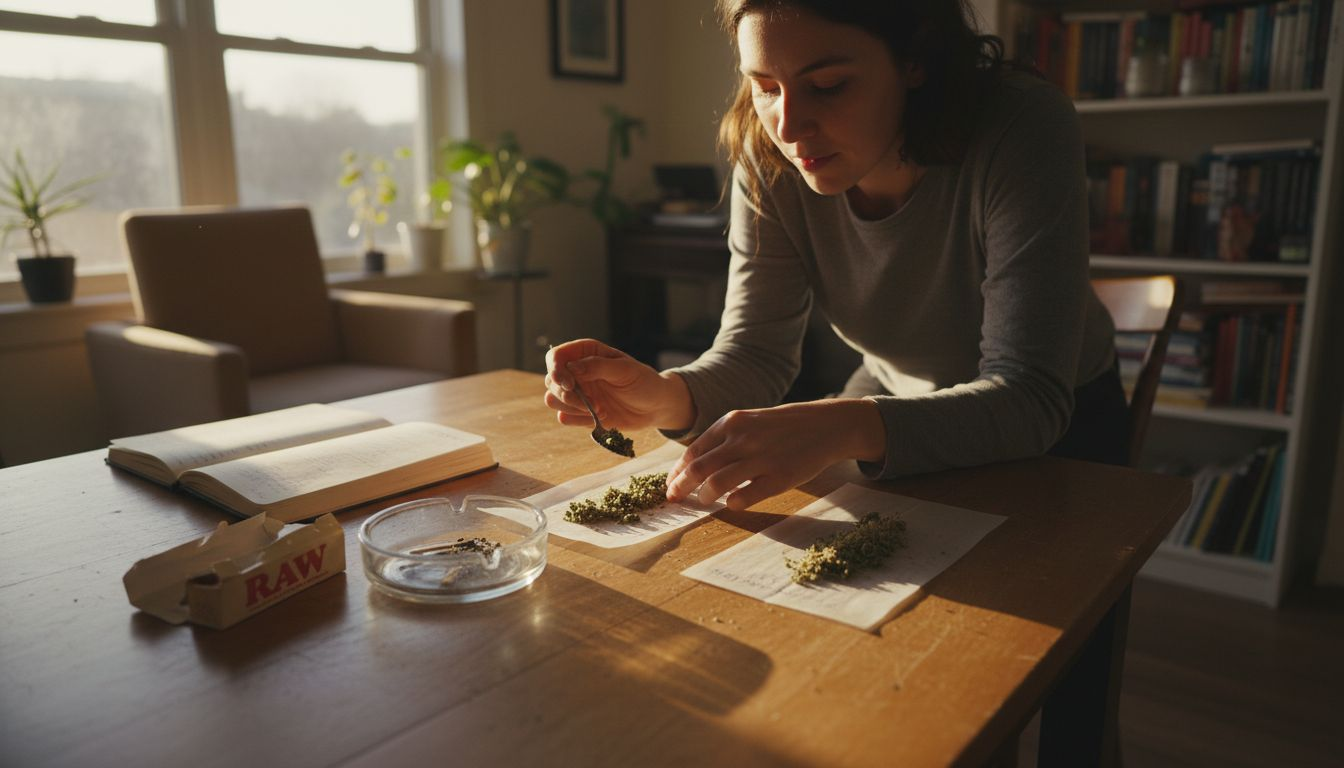
Users typically experiment with blending through various consumption methods, including joints, pipes, vaporizers, and digital dosing devices. The key is understanding each strain’s dominant terpenes and cannabinoid profiles. Pinene and limonene combinations might enhance focus, while myrcene and linalool pairings could promote relaxation. Successful blending requires careful documentation and incremental exploration of different strain interactions.
Pro tip: Create a detailed strain journal to track the specific combinations, ratios, and effects of your blended cannabis experiments, helping you develop a personalized understanding of optimal strain interactions.
Key Characteristics and Entourage Effect
Cannabinoid interactions form the fundamental basis of blended strain cannabis experiences. Entourage effect explores complex phytochemical synergies that transform cannabis from a single-compound substance to a nuanced biochemical system. Unlike isolated cannabinoids, blended strains leverage multiple compounds working together to produce more comprehensive and targeted effects.
The entourage effect represents a sophisticated biochemical phenomenon where terpenes, cannabinoids, and other phytochemicals interact synergistically. Cannabis strain profiles demonstrate intricate chemical interactions that modulate therapeutic and recreational experiences. Key terpenes like myrcene, pinene, and limonene play crucial roles in mediating effects, potentially influencing relaxation, focus, and mood through their complex interactions with cannabinoids.
Understanding these interactions requires examining how different compounds complement and enhance each other’s properties. Some terpenes might amplify THC’s psychoactive effects, while others could mitigate potential anxiety or promote specific physiological responses. This intricate biochemical dance explains why two strains with similar THC percentages can produce dramatically different experiences when combined strategically.
Below is a summary of common cannabinoids and terpenes found in blended strains and their typical effects:
| Compound | Common Effect | Example Strain Role |
|---|---|---|
| THC | Euphoria, appetite | Primary psychoactive agent |
| CBD | Calming, anti-anxiety | Therapeutic synergy with THC |
| Myrcene | Relaxation, sedation | Enhances indica blends |
| Pinene | Focus, alertness | Used in stimulating blends |
| Limonene | Uplifting mood | Balances hybrid blends |
Pro tip: Research and document the specific terpene profiles of your chosen strains to develop a more nuanced understanding of potential synergistic interactions before blending.
Risks, Legal Status, and Safety Concerns
Blended strain cannabis navigates a complex landscape of legal and regulatory challenges that vary dramatically across jurisdictions. Global cannabis policies demonstrate significant variability with legal frameworks ranging from complete prohibition to regulated medical and recreational use. Consumers must remain acutely aware of local regulations, understanding that possession, consumption, and distribution of blended strains can carry substantial legal consequences.
Public health considerations play a critical role in cannabis regulation. Cannabis use presents multifaceted health risks including potential impacts on youth development, mental health, and potential impairment in professional and personal contexts. Blended strains introduce additional complexity due to their variable chemical profiles, which can create unpredictable physiological and psychological responses, especially among inexperienced or vulnerable users.
Safety concerns extend beyond legal parameters, encompassing product quality, potential drug interactions, and individual physiological responses. Responsible consumption requires comprehensive understanding of strain compositions, potential side effects, and personal health history. Consumers should prioritize purchasing from regulated sources, verifying product testing, and consulting healthcare professionals about potential interactions with existing medications or pre-existing health conditions.
Pro tip: Always verify local cannabis regulations and consult medical professionals before experimenting with blended strain cannabis to ensure personal safety and legal compliance.
Comparing Blended Vs. Single Strains
Navigating the nuanced world of cannabis consumption requires understanding the fundamental differences between blended and single strains. Cannabis strain mixing offers unique experiential possibilities that challenge traditional approaches to consumption. Single strains provide predictable, consistent effects with well-documented chemical profiles, making them ideal for users seeking specific, targeted experiences.
Blended strains represent a more dynamic approach to cannabis consumption, allowing users to craft personalized experiences by combining multiple strain characteristics. Comparative analysis reveals complex strain interactions that can amplify or modulate effects beyond what single strains offer. This approach harnesses the entourage effect, where multiple cannabinoids and terpenes interact to create more nuanced and potentially more effective experiences.
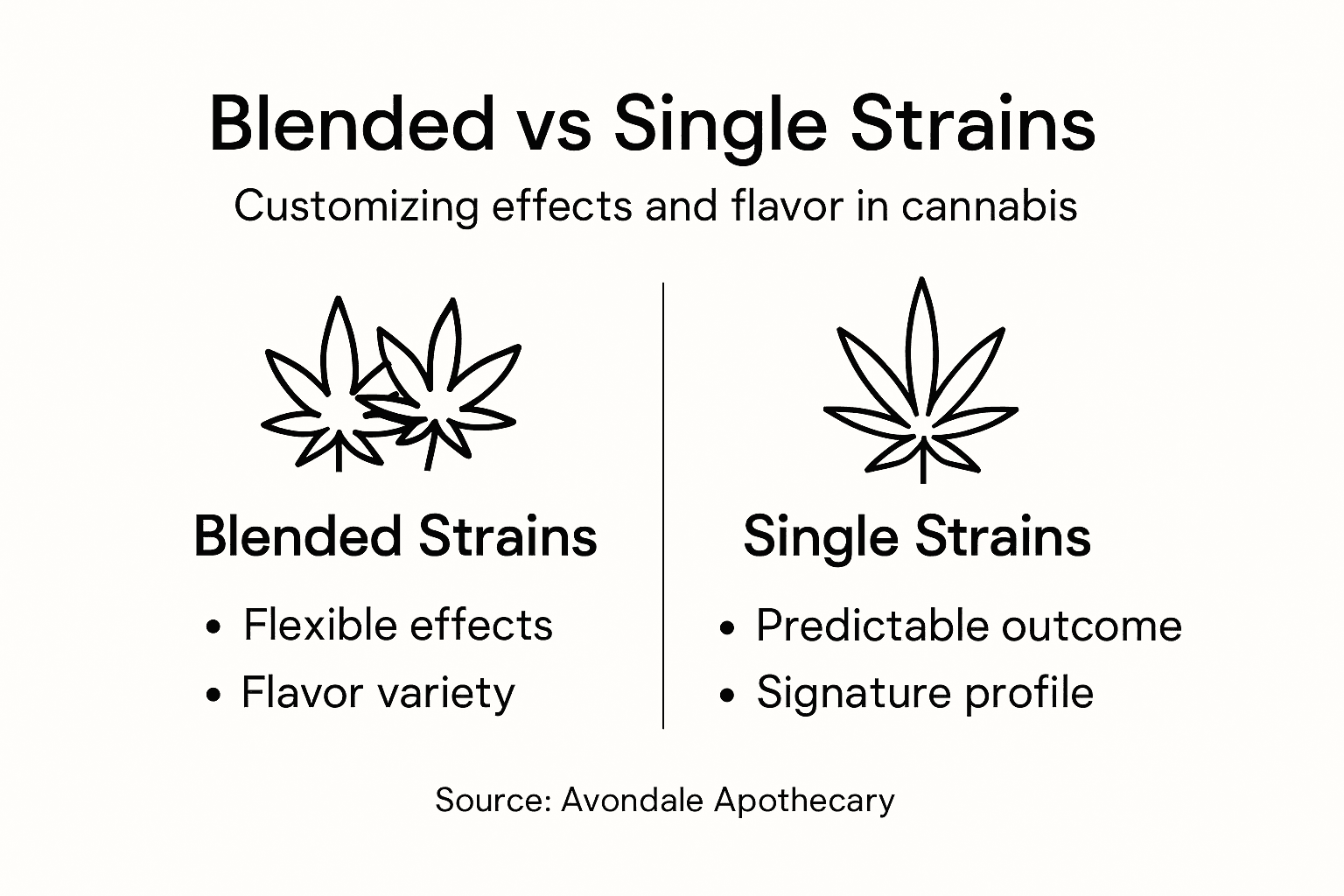
The choice between blended and single strains ultimately depends on individual preferences, therapeutic goals, and personal chemistry. Single strains offer reliability and predictability, particularly valuable for medical users requiring consistent dosing. Blended strains, conversely, provide a more exploratory experience, allowing users to fine-tune effects by combining complementary strain characteristics. Scientific research continues to evolve, suggesting that both approaches have merit in different contexts.
Here’s a comparison of blended strain and single strain cannabis approaches:
| Aspect | Blended Strains | Single Strains |
|---|---|---|
| Effect Predictability | Highly variable, customizable | Consistent, well-documented |
| User Profile | Exploratory, experienced users | Medical, routine users |
| Chemical Complexity | Multiple cannabinoids & terpenes | Singular, defined profile |
| Benefit Potential | Synergistic, nuanced outcomes | Targeted, specific effects |
| Dosing Control | Requires careful tracking | Standardized dosing possible |
Pro tip: Start with small quantities when experimenting with blended strains, carefully documenting the specific combinations and their effects to develop a personalized understanding of your ideal cannabis experience.
Customize Your Cannabis Experience with Expertly Blended Strains
Understanding how blended strain cannabis allows you to tailor your effects through unique cannabinoid and terpene combinations reveals a clear challenge: finding high-quality, precisely labeled products that match your desired experience. Whether you seek relaxation, energy, or balanced mood enhancement, navigating complex chemical profiles can feel overwhelming without transparency and reliable options.
At Avondale Apothecary, we solve this problem by offering a curated selection of premium cannabis strains and products accompanied by comprehensive Certificates of Analysis. Our platform empowers you to explore sophisticated blending techniques safely and confidently. You can access detailed product information that supports your journey of creating personalized cannabis effects based on your unique preferences.
Ready to begin crafting your perfect blend today
Explore our diverse offerings at Avondale Apothecary and take control of your cannabis experience now. Discover precise strain profiles, transparent testing results, and expert guidance designed to enhance every step of your blend adventures.
Frequently Asked Questions
What is blended strain cannabis?
Blended strain cannabis consists of multiple cannabis varieties combined to create customized effects based on their unique chemical compositions, focusing on cannabinoids and terpenes rather than traditional strain categories.
How do I mix cannabis strains for optimal effects?
When mixing cannabis strains, consider their dominant cannabinoids and terpenes. Start with small quantities, document the effects, and aim for complementary characteristics—like blending a relaxing indica with an uplifting sativa to create a balanced experience.
What is the entourage effect in cannabis?
The entourage effect refers to the synergy between cannabinoids, terpenes, and other phytochemicals in cannabis that work together to enhance or modify effects. This phenomenon explains why blended strains can produce unique experiences beyond single strains.
What are the risks of using blended strain cannabis?
The risks include unpredictable physiological and psychological responses due to varying chemical profiles. Legal and health considerations are also significant, so it’s essential to understand local regulations and consult healthcare professionals when necessary.