
Most American cannabis enthusiasts are surprised to learn that over 500 chemical compounds can be found within a single cannabis flower. This complex anatomy goes far beyond what meets the eye or nose at dispensaries across North America. Understanding the real structure and function of each part of the flower can completely change how you evaluate quality, potency, and flavor before making a purchase.
Table of Contents
- Cannabis Flower Basics And Misconceptions
- Key Structures: Calyx, Bracts, Pistils
- Understanding Trichomes And Resin Production
- How Anatomy Affects Potency And Flavor
- Common Mistakes When Evaluating Flower
Key Takeaways
| Point | Details |
|---|---|
| Cannabis Flower Composition | Cannabis flowers contain over 500 chemical compounds, with cannabinoids and terpenes defined by strain genetics, growing conditions, and harvesting techniques. |
| Importance of Trichomes | Trichomes are critical as they produce cannabinoids; their density, size, and color can indicate the flower’s potency and overall quality. |
| Evaluating Quality | Visual assessment alone is insufficient; a holistic evaluation considering trichome maturity and environmental factors is essential for accurate quality assessment. |
| Common Evaluation Mistakes | Avoid judging quality solely by appearance, and remember to examine trichome density and pay attention to proper curing and storage for better potency and flavor. |
Cannabis Flower Basics and Misconceptions
Cannabis flowers, the reproductive structures of the Cannabis sativa plant, represent the primary source of cannabinoids and terpenes that define the plant’s therapeutic and recreational characteristics. Cannabis botanical composition reveals a complex system containing over 500 chemical compounds, with the flower playing a crucial role in delivering the plant’s primary effects.
Contrary to popular misconceptions, cannabis flowers are not uniform in their properties. They vary significantly based on strain genetics, growing conditions, and harvesting techniques. The female cannabis plant produces these intricate flowers, which contain specialized structures like pistils, trichomes, and calyxes that contribute to the plant’s unique chemical profile. Psychoactive compound variations demonstrate that THC and CBD concentrations can differ dramatically between different flower specimens.
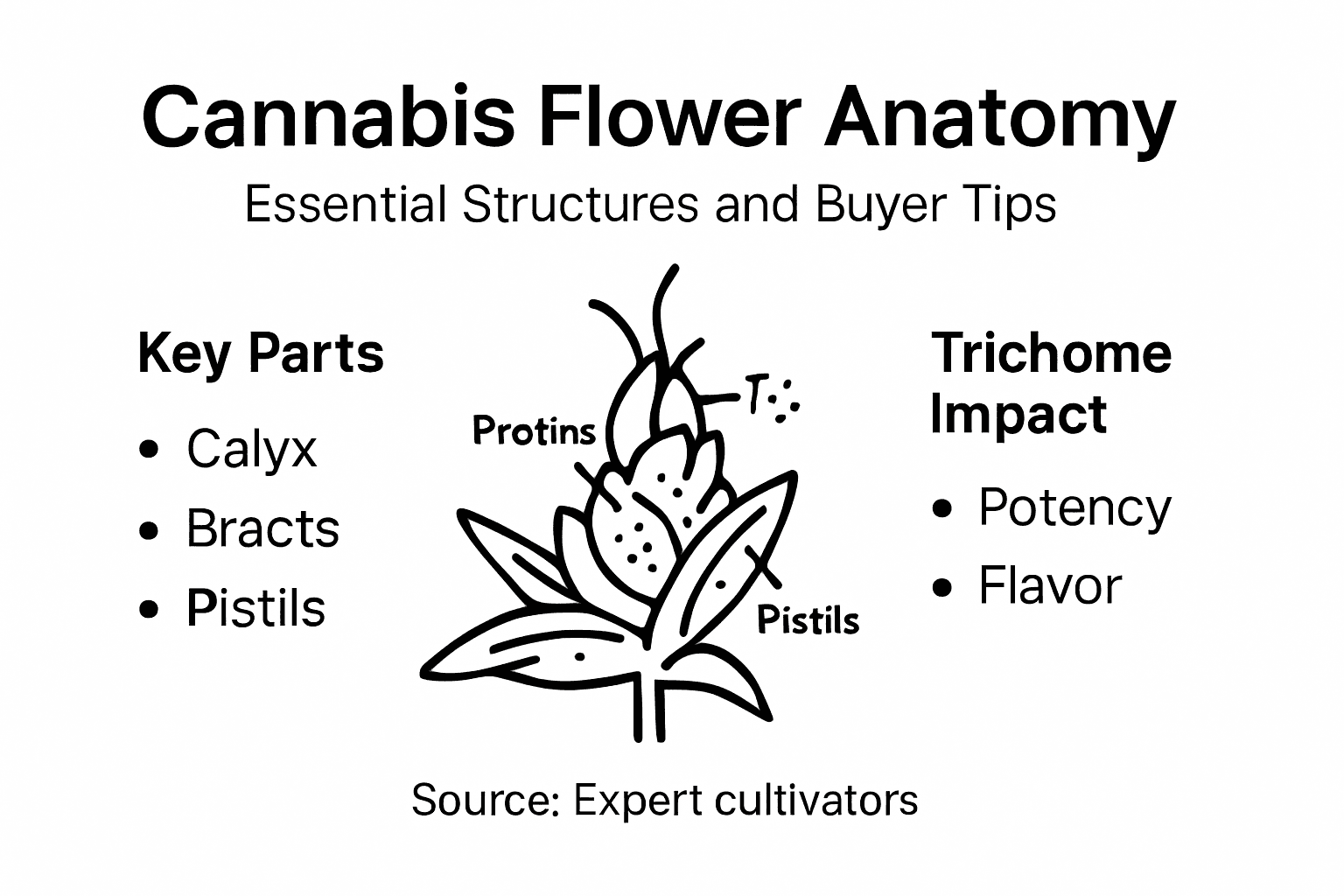
Understanding cannabis flower anatomy requires recognizing key structural components. The flower’s primary regions include:
- Pistils: Hair-like orange or reddish structures that capture pollen
- Trichomes: Tiny crystal-like resin glands containing cannabinoids
- Calyxes: Teardrop-shaped protective structures surrounding reproductive parts
- Sugar Leaves: Small leaves surrounding the flower with high cannabinoid content
Recreational and medicinal users should understand that flower potency is not solely determined by appearance but by its complex chemical composition. Factors like trichome density, color, and structural integrity provide insights into potential effects and quality.
Pro tip: When evaluating cannabis flowers, look for dense, well-trimmed buds with a robust trichome coverage and vibrant, intact pistils as indicators of potential quality and potency.
Key Structures: Calyx, Bracts, Pistils
The cannabis flower is a complex biological structure with several intricate components that play critical roles in plant reproduction and cannabinoid production. Cannabis flower morphology reveals a sophisticated architectural design where each structural element contributes uniquely to the plant’s overall functionality.
At the heart of cannabis flower anatomy are three primary structures: calyxes, bracts, and pistils. Calyxes serve as protective enclosures for the flower’s reproductive organs, appearing as small, teardrop-shaped structures that surround the plant’s reproductive components. Bracts are specialized leaf-like structures that envelop and shield the flower’s delicate inner parts, often appearing as small green or brownish protective coverings. Female flower structures demonstrate how these components work together to ensure plant reproduction and defense.
The pistils, another crucial component, are the female reproductive organs characterized by their hair-like appearance and typically vibrant orange or reddish coloration. These structures play a vital role in pollen collection and fertilization. Their distinct characteristics include:
- Long, slender stigmas extending from the flower
- Ability to capture pollen for reproductive purposes
- Indicators of flower maturity and genetics
- Potential predictors of potential cannabinoid profiles
Understanding these structural nuances is essential for consumers and cultivators alike, as each component contributes to the overall quality, potency, and genetic expression of cannabis flowers. The interplay between calyxes, bracts, and pistils determines not just reproductive success but also the plant’s chemical composition and therapeutic potential.
Here’s a quick comparison of key cannabis flower structures and their roles:
| Structure | Main Function | Impact on Potency | Influence on Flavor |
|---|---|---|---|
| Trichomes | Produce cannabinoids | Directly increases | Boosts aroma and taste |
| Pistils | Collect pollen | Indicates maturity | Minimal influence |
| Calyxes | Protect reproductive organs | Maintains integrity | Slightly affects taste |
| Bracts | Shield delicate tissues | Preserves chemical profile | Negligible effect |
Pro tip: When examining cannabis flowers, pay close attention to the density and color of pistils, as these can provide valuable insights into the flower’s maturity and potential cannabinoid content.
Understanding Trichomes and Resin Production
Cannabis trichomes are microscopic, hair-like structures that serve as the plant’s primary chemical factories, producing an intricate array of cannabinoids and terpenes. Cannabis trichome biology reveals these remarkable structures as complex metabolite producers that play crucial roles in plant defense and commercial value.
These tiny glandular structures are classified into two primary types: glandular and non-glandular trichomes. Glandular trichomes are particularly significant, featuring specialized secretory cavities where cannabinoids like THC and CBD accumulate. Cannabinoid biosynthesis mechanisms demonstrate how these structures function as sophisticated chemical production centers, with three main variants:
- Bulbous trichomes: Smallest type, barely visible to the naked eye
- Capitate-sessile trichomes: Slightly larger, with a more developed head
- Capitate-stalked trichomes: Largest and most prominent, with a distinct mushroom-like shape
The resin production process is a sophisticated biological mechanism where trichomes convert simple carbon compounds into complex cannabinoids. These structures not only protect the plant from environmental stressors like UV radiation and herbivores but also represent the primary source of therapeutic and recreational compounds that make cannabis unique. The density, size, and maturity of trichomes directly correlate with the flower’s potential potency and chemical profile.
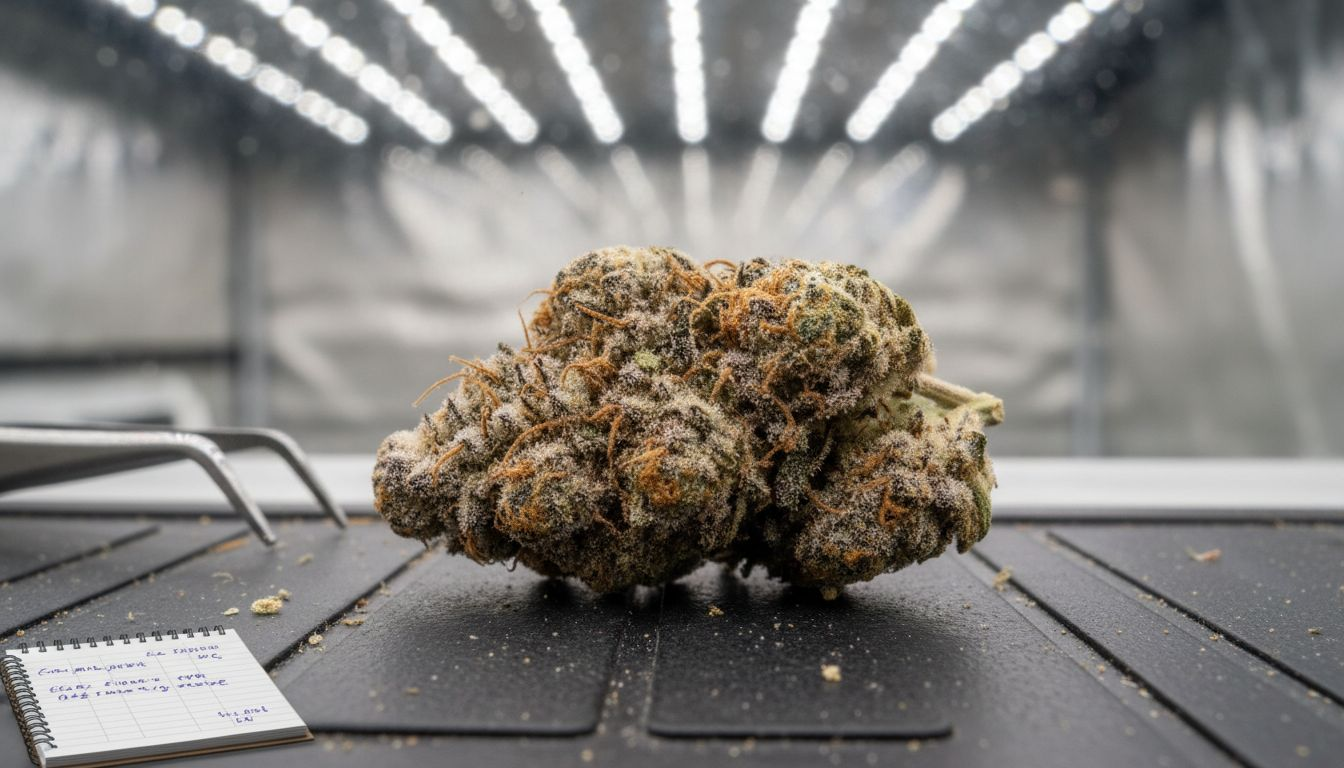
Pro tip: When assessing cannabis quality, use a magnifying glass to examine trichome density and color, as milky white or amber-colored trichomes often indicate peak cannabinoid concentration.
How Anatomy Affects Potency and Flavor
The anatomical structure of cannabis flowers is far more than a mere physical characteristic - it’s a complex system directly influencing potency, flavor, and overall chemical composition. Cannabis flower morphology reveals how specific structural elements like trichome density and distribution fundamentally determine a flower’s therapeutic and sensory properties.
Three primary anatomical factors significantly impact cannabis quality: trichome concentration, flower density, and reproductive structure maturity. Trichome density plays a critical role, as these microscopic structures are responsible for producing cannabinoids and terpenes that define potency and flavor profile. Environmental cultivation factors demonstrate that light intensity and growing conditions can dramatically influence these chemical production centers.
Key anatomical indicators of quality include:
- Abundance of milky white, amber-colored trichomes
- Dense, compact flower structures
- Well-developed pistils with vibrant coloration
- Visible resin production across flower surfaces
The intricate relationship between anatomical features and chemical composition means that experienced consumers can often predict a strain’s potential effects by carefully examining its physical characteristics. Factors like trichome size, color, and distribution provide sophisticated insights into the flower’s potential cannabinoid and terpene content, ultimately determining its unique sensory and therapeutic profile.
Pro tip: Develop a habit of examining cannabis flowers under good lighting with a small magnifying glass, paying close attention to trichome color and density as key indicators of potential potency and flavor complexity.
Common Mistakes When Evaluating Flower
Evaluating cannabis flower requires more than a casual glance - it demands a nuanced understanding of botanical complexity and quality indicators. Cannabis sampling techniques highlight the critical importance of avoiding common errors that can significantly compromise your assessment of flower quality.
Consumers frequently make several fundamental mistakes when examining cannabis flowers. Visual assessment alone is insufficient, as inflorescence structural variations demonstrate significant chemical heterogeneity within seemingly uniform samples. The most prevalent evaluation errors include:
- Judging quality solely by color or appearance
- Overlooking trichome density and maturity
- Ignoring subtle variations in flower structure
- Failing to consider environmental cultivation factors
- Disregarding the importance of proper curing and storage
Professional cannabis evaluation requires a holistic approach that goes beyond superficial characteristics. Experienced consumers understand that a flower’s potency, flavor, and effects are determined by complex interactions between genetic, environmental, and post-harvest factors. This means examining trichome color, assessing resin production, and understanding how growing conditions impact overall flower quality.
Below is a summary of common mistakes and expert tips for evaluating cannabis flower quality:
| Mistake | Why It’s Problematic | Expert Tip |
|---|---|---|
| Focusing on color | Appearance can mislead quality check | Use a magnifying glass |
| Ignoring trichomes | Misses major cannabinoid indicators | Examine trichome density |
| Disregarding curing | Can result in poor potency and flavor | Ask about curing process |
Pro tip: Always use a jeweler’s loupe or high-quality magnifying glass when evaluating cannabis flowers, as microscopic details reveal far more about quality than naked-eye observation.
Discover the Anatomy of Quality in Every Cannabis Flower
Understanding cannabis flower anatomy is key to selecting premium products that deliver the effects and flavor you expect. With knowledge of trichome density, pistil maturity, and calyx integrity, you can move beyond surface appearances and truly appreciate the complex chemistry behind each bud. But navigating these details on your own can be challenging without trusted sources and verified products.

Explore our curated selection of expertly crafted cannabis pre-rolls at Pre Rolls – AALLC where quality and transparency meet. Each product listing includes comprehensive Certificates of Analysis so you know exactly what you are getting. Visit Avondale Apothecary today to make informed choices that match the sophistication your cannabis knowledge demands. Don’t wait to elevate your cannabis experience with flower selections that reflect true botanical excellence.
For those who want to complement their lifestyle, check out our stylish cannabis-inspired gear at Apparel – AALLC and make a statement while you enjoy top-tier products.
Frequently Asked Questions
What are the main components of a cannabis flower?
The main components of a cannabis flower include pistils, trichomes, calyxes, and sugar leaves. These structures play vital roles in reproduction and the production of cannabinoids and terpenes.
How does trichome density affect the potency of cannabis flowers?
Trichome density directly impacts potency, as these microscopic structures contain the cannabinoids and terpenes that define the flower’s effects. A higher density of trichomes usually indicates greater potential potency.
How can I assess the quality of cannabis flowers?
To assess the quality, examine the trichome color, density, and the presence of vibrant pistils. Proper curing and storage conditions also contribute to overall quality and flavor.
What mistakes should I avoid when evaluating cannabis flowers?
Common mistakes include judging quality solely by appearance, ignoring trichome density, and failing to consider the curing process. Using a magnifying glass can help reveal important details that affect quality.