
Finding clear answers in a fast-evolving cannabis market can feel challenging. With cannabis products now reaching THC concentrations of up to 95 percent, health-conscious consumers face both exciting innovations and important questions about safety and quality. This article offers insight into major trends, emerging risks, shifting global laws, and cutting-edge product technology so you can make smart, transparent choices for your wellness routine.
Table of Contents
- Defining 2025 Cannabis Trends And Misconceptions
- New Product Innovations And Consumption Methods
- Global Legalization Movements And Market Growth
- Health, Safety, And Wellness-Focused Use Cases
- Technology’s Role In Cannabis Transparency
- Navigating Risks, Quality, And Compliance
Key Takeaways
| Point | Details |
|---|---|
| Emerging Potency Concerns | Cannabis products are exhibiting unprecedented THC levels, leading to increased health risks such as psychosis and withdrawal symptoms. |
| Demographic Shifts | Cannabis use is diversifying, attracting older adults seeking wellness options, necessitating tailored education and responsible consumption practices. |
| Innovative Consumption Methods | New technologies are enabling personalized cannabis experiences, from AI vaporization to nanoemulsion beverages, enhancing consumer satisfaction. |
| Regulatory Challenges | Global legalization movements face hurdles due to complex regulations and resistance from conservative governments, emphasizing the need for ongoing consumer education. |
Defining 2025 Cannabis Trends and Misconceptions
The cannabis landscape is rapidly transforming, presenting complex dynamics between medical innovation, consumer preferences, and regulatory frameworks. As we approach 2025, understanding the nuanced shifts in cannabis consumption becomes crucial for informed decision-making.
Several key trends are emerging that challenge traditional perceptions. Cannabis market potency continues rising dramatically, with concentrates now reaching unprecedented THC levels between 90-95%. This significant potency increase introduces substantial public health considerations that demand careful examination:
- Higher THC concentrations correlate with increased risks of:
- Cannabis-induced psychosis
- Withdrawal symptoms
- Potential neurological complications
Contrary to persistent misconceptions, cannabis is not inherently risk-free. Scientific research indicates that regular consumption, particularly of high-potency products, can produce measurable health impacts. The market has expanded far beyond traditional flower products, introducing complex consumption methods that challenge existing understanding.
Emerging Consumer Demographics are also reshaping cannabis perception. Usage is no longer confined to younger populations but increasingly includes older adults seeking alternative wellness solutions. This demographic diversification requires more nuanced approaches to education and responsible consumption.
Cannabis consumption in 2025 represents a complex ecosystem of medical potential, consumer choice, and ongoing scientific discovery.
Regulatory frameworks are struggling to keep pace with market innovations. Public health research continues investigating cannabis’s comprehensive effects, recognizing that legalization has outpaced comprehensive understanding of long-term implications.
Pro tip: Always verify product potency and consult healthcare professionals before integrating cannabis into your wellness routine.
New Product Innovations and Consumption Methods
The cannabis industry is experiencing a revolutionary transformation in product innovation, driven by advanced technology and sophisticated consumer demands. Personalized cannabis experiences are reshaping market expectations, with cutting-edge technologies enabling unprecedented customization and targeted effects.
Emerging product categories are pushing traditional boundaries, introducing sophisticated consumption methods that go far beyond classic flower or edible formats:
-
AI-Powered Vaporization Technologies
- Customizable dosage settings
- Temperature-controlled delivery
- Consistent user experiences
-
Advanced Cannabinoid Delivery Systems
- Nanoemulsion beverage technologies
- Transdermal patch applications
- Fast-onset formulations
Minor Cannabinoids are gaining significant attention, with compounds like CBC, CBG, and THCV offering distinct therapeutic potential. Innovative cannabis products now target specific wellness outcomes, such as sleep improvement, anxiety reduction, and energy enhancement.
The future of cannabis consumption lies in precision, personalization, and purposeful product design.
Consumer preferences are driving remarkable product diversification. Customizable gummies now allow users to select specific cannabinoid and terpene blends, while sustainable packaging demonstrates the industry’s commitment to environmental responsibility. These innovations reflect a maturing market that prioritizes consumer education, experience, and holistic wellness.

Here’s a summary of emerging cannabis product innovations and their market impact:
| Innovation Type | Key Features | Market Impact |
|---|---|---|
| AI Vaporization Technology | Custom dosage, temp control | Precise effects, safer use |
| Nanoemulsion Beverages | Rapid onset, improved absorption | Attracts wellness consumers |
| Transdermal Patch | Steady release, discreet use | Expanded medical applications |
| Customizable Gummies | Choose blend, adjust dose | Boosts personalization trend |
| Sustainable Packaging | Eco-friendly, recyclable materials | Appeals to green consumers |
Pro tip: Research product specifications carefully and start with low doses when exploring new cannabis innovations.
Global Legalization Movements and Market Growth
The global cannabis landscape is experiencing unprecedented transformation, with legal frameworks evolving rapidly across multiple continents. Cannabis law reform continues gaining international momentum, reshaping economic and social perspectives on cannabis consumption and regulation.
Regional approaches to cannabis legalization demonstrate significant diversity and complexity:
-
European Cannabis Regulatory Experiments
- Germany leading progressive policy reforms
- Netherlands expanding medical marijuana access
- Switzerland developing innovative regulatory frameworks
-
Global Legalization Trends
- Increasing medical marijuana recognition
- Gradual decriminalization efforts
- Economic potential driving policy changes
Economic Implications of cannabis legalization extend far beyond traditional market expectations. Countries are increasingly recognizing cannabis as a potential revenue generator, with regulatory frameworks balancing public health concerns, social equity considerations, and economic opportunities.
Global cannabis legalization represents a complex intersection of health policy, economic strategy, and social transformation.
Despite progressive momentum, challenges remain. Conservative governments continue to resist liberalization, creating a fragmented international landscape. The ongoing dialogue involves carefully weighing public health risks, potential economic benefits, and social justice considerations.
This comparison highlights global approaches to cannabis legalization:
| Region | Legalization Approach | Social/Economic Focus | Current Challenge |
|---|---|---|---|
| Germany | Progressive reform, medical use | Public health & industry growth | Regulatory adaptation |
| Netherlands | Expanded medical access | Social equity & wellness | Policy consistency |
| Switzerland | Innovative frameworks, trial phase | Revenue generation, innovation | Navigating public concerns |
| USA | State-level legalization, diverse | Economic potential, tax revenue | Federal restrictions |
| Latin America | Gradual decriminalization | Social justice, health access | Government resistance |
Pro tip: Stay informed about local cannabis regulations, as legal landscapes can change rapidly.
Health, Safety, and Wellness-Focused Use Cases
The cannabis wellness landscape is evolving rapidly, with increasing emphasis on responsible and targeted consumption. Public health research continues examining cannabis’s complex impacts, highlighting the critical need for informed and strategic approaches to cannabis use.
Medical and wellness applications demonstrate significant potential across multiple health domains:
-
Therapeutic Cannabis Applications
- Chronic pain management
- Muscle spasticity relief
- Epilepsy seizure control
- Nausea reduction
-
Wellness Considerations
- Potential cognitive impacts
- Individual variability in response
- Importance of personalized approaches
- Monitoring long-term health effects
Emerging Research reveals nuanced perspectives on cannabis consumption. Medical cannabinoids offer targeted relief while simultaneously presenting potential risks, particularly for younger users and those consuming high-THC products regularly.
Responsible cannabis use requires balanced understanding of both potential benefits and potential risks.
Policy frameworks are increasingly focused on harm reduction strategies. Regulatory approaches now emphasize consumer education, product safety standards, and protecting vulnerable populations. This includes implementing THC content limits, comprehensive labeling, and targeted public health messaging.
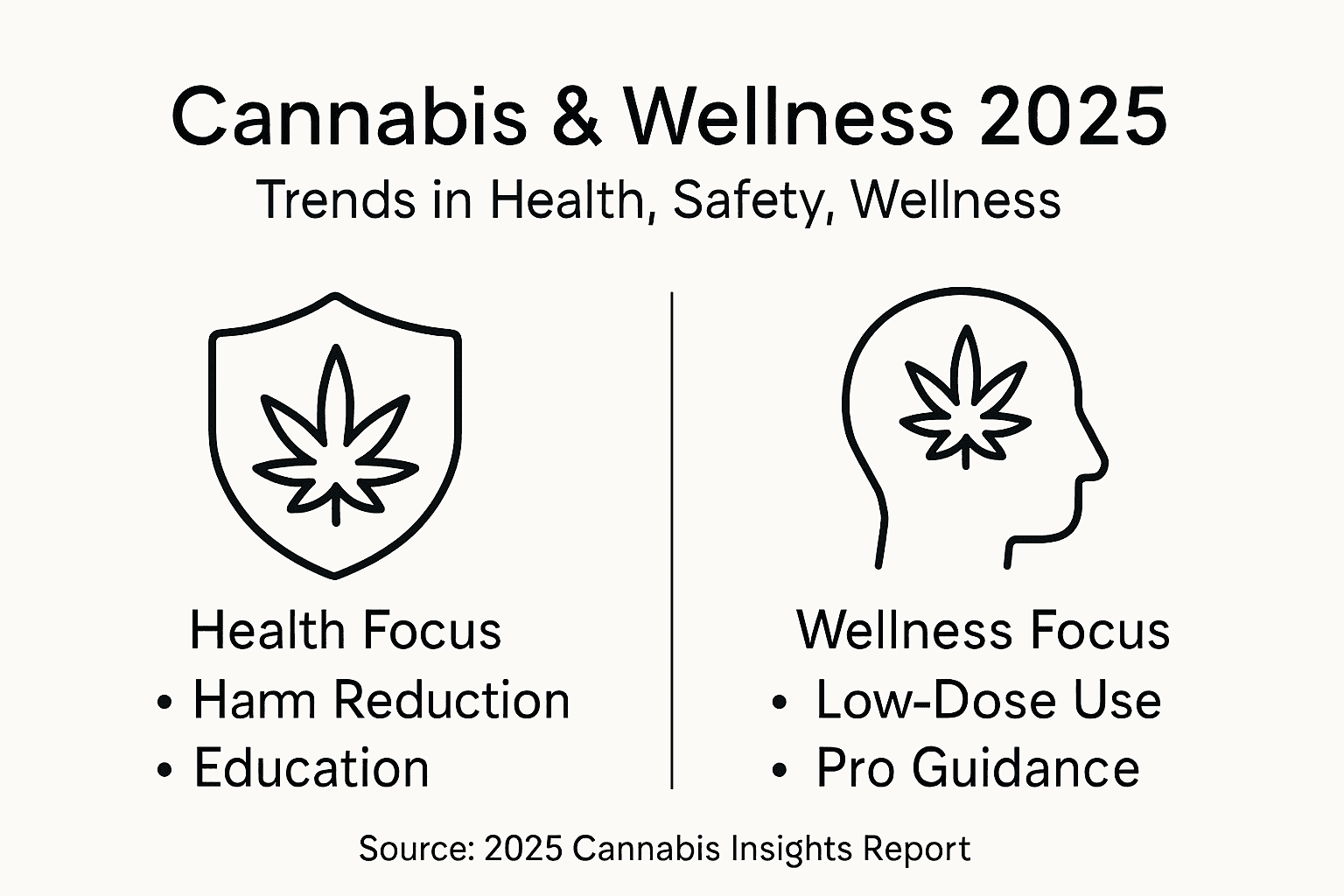
Pro tip: Consult healthcare professionals and start with low-dose, controlled cannabis consumption for wellness purposes.
Technology’s Role in Cannabis Transparency
The cannabis industry is undergoing a technological revolution, with innovation driving unprecedented levels of accountability and trust. Technology transforms cannabis industry compliance, creating sophisticated systems that address complex regulatory challenges.
Key technological advancements are reshaping transparency and operational excellence:
-
Automation and Tracking Technologies
- Supply chain monitoring systems
- Real-time inventory management
- Blockchain-enabled product verification
- Comprehensive seed-to-sale tracking
-
Compliance and Regulatory Technologies
- AI-powered regulatory adherence tools
- Automated documentation systems
- Data-driven risk management platforms
- Advanced reporting mechanisms
Digital Infrastructure is becoming increasingly sophisticated, enabling businesses to navigate complex legal landscapes with unprecedented precision. Robotics, artificial intelligence, and advanced data analytics are providing cannabis companies with tools to maintain rigorous standards of transparency and accountability.
Technology bridges the gap between regulatory complexity and operational efficiency in the cannabis ecosystem.
These technological solutions address critical industry challenges, including federal illegality, interstate commerce restrictions, and variable state regulations. By leveraging cutting-edge technologies, cannabis businesses can build consumer trust, ensure product safety, and demonstrate commitment to responsible operations.
Pro tip: Invest in robust technological infrastructure to streamline compliance and enhance operational transparency.
Navigating Risks, Quality, and Compliance
The cannabis industry faces increasingly complex regulatory landscapes that demand sophisticated compliance strategies. Emerging compliance challenges intensify regulatory complexity across multiple operational domains, requiring businesses to develop robust risk management frameworks.
Key compliance challenges demand strategic approaches:
-
Regulatory Risk Management
- Inconsistent lab testing protocols
- Insufficient standard operating procedures
- OSHA safety compliance requirements
- Environmental sustainability standards
-
Product Quality Control
- Comprehensive contamination screening
- Consistent product labeling
- Rigorous safety testing mechanisms
- Transparent ingredient documentation
Product Safety remains a critical concern, with national standards urgently needed to protect consumer health. Contamination risks from pesticides and inconsistent labeling present significant challenges, particularly for vulnerable patient populations.
Proactive compliance strategies are the foundation of sustainable cannabis business growth.
The regulatory environment continues to evolve, with impending FDA and OSHA oversight creating additional complexity. Businesses must prioritize safety, transparency, and operational readiness to maintain competitive advantage and consumer trust in this dynamic market.
Pro tip: Develop comprehensive compliance documentation and regularly update risk management protocols.
Discover Precision and Transparency in Cannabis with Avondale Apothecary
As cannabis trends in 2025 emphasize potency, personalized experiences, and rigorous quality controls, navigating product complexity and regulatory challenges can feel overwhelming. Whether you seek high-resin hemp flower for enhanced effects or reliable pre rolls crafted for consistency, choosing products with verified quality is essential for safe and informed consumption.
Explore our curated selection of premium cannabis products at Avondale Apothecary. With comprehensive Certificates of Analysis ensuring transparency and a commitment to consumer wellness, we make it easy to embrace emerging cannabis innovations confidently. Start your journey today by visiting our High-Resin Hemp Flower and Pre Rolls collections, and experience the future of responsible cannabis use with trusted quality and variety.
Frequently Asked Questions
What are the key trends shaping the cannabis industry in 2025?
Several key trends are emerging, including increased cannabis potency, the rise of personalized cannabis experiences, and a growing emphasis on wellness-focused use cases. Additionally, new product innovations and evolving regulatory frameworks are shaping the market.
How do higher THC levels in cannabis products affect health?
Higher THC concentrations, particularly those reaching 90-95%, correlate with increased risks such as cannabis-induced psychosis and withdrawal symptoms. Users should approach high-potency products with caution and seek professional advice to understand potential health impacts.
What are some innovative consumption methods for cannabis in 2025?
Innovative consumption methods include AI-powered vaporization technologies that offer customizable dosage settings, advanced cannabinoid delivery systems like nanoemulsion beverages, and transdermal patches for steady release. These enhance user experiences and target specific wellness outcomes.
Why is consumer education important in the evolving cannabis market?
With the rise of new product innovations and complex consumption methods, consumer education is crucial to ensure responsible use. Users need to understand product specifications, effects, and potential health risks associated with different cannabis products.