
Choosing the right cannabis strain can feel overwhelming when the menu stretches for pages and effects are confusingly described. Whether you seek medical relief or next-level enjoyment, understanding what separates one strain from another is key. Chemistry drives the difference—THC levels, CBD content, and terpene profiles shape your body’s response more than any exotic strain name. This guide helps you decode the science and find strains that match your personal goals for optimal experience.
Table of Contents
- What Is Cannabis Strain Selection?
- Types of Cannabis Strains and Key Differences
- How Genetics, Cannabinoids, and Terpenes Shape Effects
- Matching Strain Choice to Medical or Recreational Needs
- Risks, Common Mistakes, and How to Avoid Them
Key Takeaways
| Point | Details |
|---|---|
| Understand Chemical Profiles | Focus on the cannabinoid and terpene content rather than just strain names, as these dictate the effects you will experience. |
| Identify Your Goals | Determine whether you seek therapeutic relief or recreational enjoyment to guide your strain selection effectively. |
| Avoid THC Percentage Trap | Do not rely solely on THC levels; a lower THC strain may be more suitable due to its terpene profile. |
| Use Certificates of Analysis | Always request a Certificate of Analysis to ensure accurate information on cannabinoid and terpene content for informed choices. |
What Is Cannabis Strain Selection?
Cannabis strain selection means choosing from hundreds of distinct varieties, each with unique chemical profiles that shape how your body responds. This isn’t just picking a name off a menu—it’s understanding what’s actually inside the product you’re consuming.
At its core, strain selection revolves around chemistry, not botanical labels. The real differentiators are THC levels, CBD content, and terpene profiles. Pure sativa or indica varieties are increasingly rare; most strains available today are hybrids blending characteristics from multiple genetic backgrounds.
Why chemistry matters more than strain names
The traditional sativa versus indica distinction has become less scientifically meaningful as the market has evolved. What truly influences your experience is the plant’s chemical composition—specifically, the combination and concentration of cannabinoids and aromatic compounds. Understanding cannabis subspecies and varieties helps you predict effects more accurately than relying on strain names alone.
Three key factors shape every strain’s profile:
- Cannabinoids: THC and CBD are the primary players, but minor cannabinoids matter too
- Terpenes: These aromatic compounds influence flavor, scent, and how you feel the effects
- Genetics: The plant’s background determines its baseline potential and growth characteristics
How terpenes amplify your experience
Terpenes aren’t just about smell. These compounds actively influence the subjective effects you experience. Different terpene combinations can intensify relaxation, boost energy, enhance creativity, or shift how you perceive pain relief.
When you’re browsing options, chemical compositions with varying THC and CBD levels directly determine both the physiological and psychoactive effects. High-THC varieties produce different outcomes than balanced or CBD-dominant options.
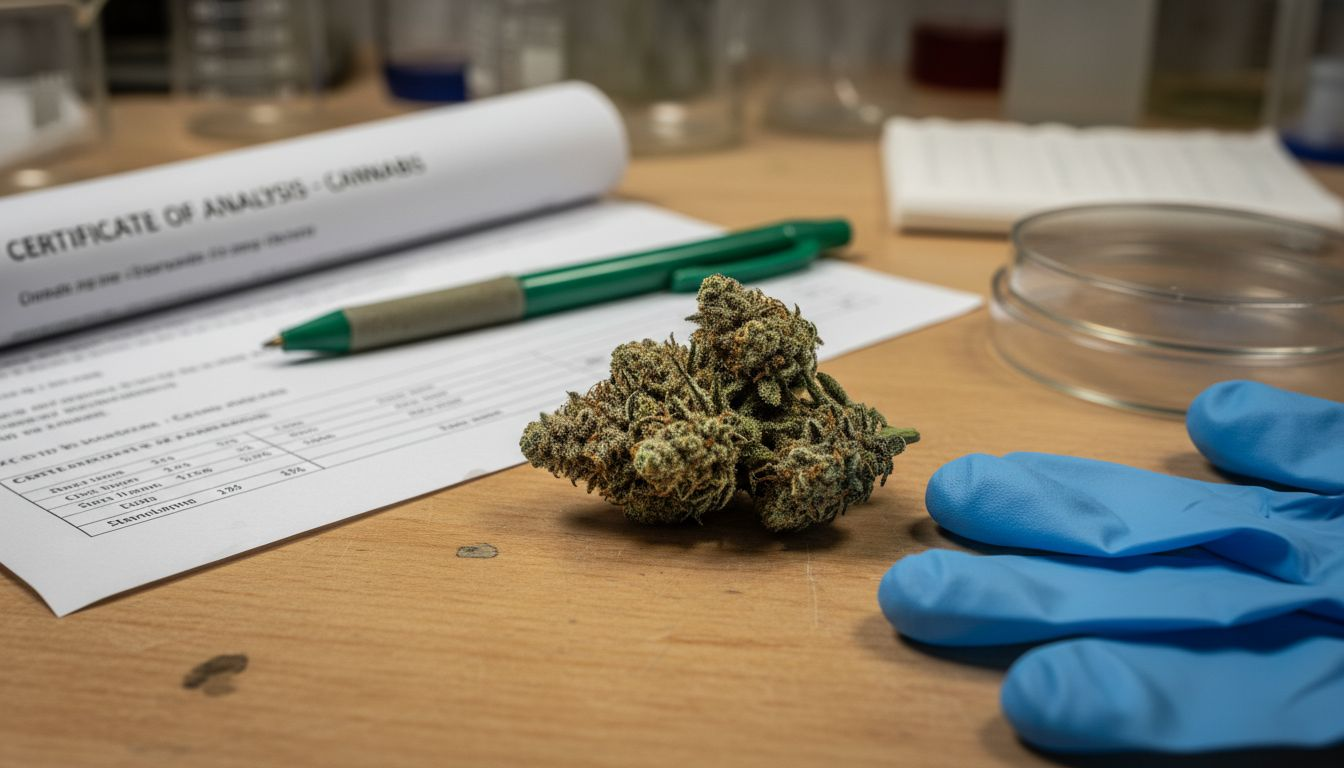
Strain selection directly impacts whether a product will suit your specific needs—whether that’s therapeutic relief, recreational enjoyment, or targeted symptom management. Your choice shapes everything about your experience.
Pro tip Start by identifying what effects or benefits you want, then look for strains with matching cannabinoid and terpene profiles rather than relying on strain names or marketing claims.
Types of Cannabis Strains and Key Differences
Cannabis comes in three main categories: indica, sativa, and hybrid. Each type produces distinctly different effects based on its genetic background and chemical makeup. Understanding these differences helps you select strains aligned with your goals.
Indica Strains
Indica strains deliver body-focused, relaxing effects that many users prefer for evening or nighttime use. These varieties originated in the Hindu Kush region, where they adapted to harsh mountain climates. That genetic heritage shows in their effects today.
What makes indicas distinct:
- Promote deep relaxation and body comfort
- Often recommended for pain relief and sleep support
- Typically denser plant structure with shorter growth cycles
- Higher CBD-to-THC ratios are common (though not universal)
Sativa Strains
Sativa strains are known for energizing, cerebral effects that enhance focus and creativity. These plants evolved in equatorial regions with longer growing seasons. They tend toward more THC-dominant profiles.
Typical sativa characteristics:
- Uplifting mental effects and mood elevation
- Better suited for daytime use when productivity matters
- Taller plants with longer flowering periods
- Often deliver more pronounced flavor and aroma complexity
Hybrid Strains
Hybrids blend indica and sativa genetics in countless combinations. A strain labeled “60% sativa / 40% indica” tells you the expected dominant characteristics, though consistency varies between producers. Strain labels may be inconsistent across producers, so don’t rely entirely on marketing descriptions alone.
Hybrids offer flexibility for different situations.
Here’s a quick comparison of indica, sativa, and hybrid cannabis strains:
| Strain Type | Common Effects | Typical Chemical Profile | Best Use Case |
|---|---|---|---|
| Indica | Deep relaxation, sedation | Often higher CBD, moderate THC | Evening relaxation, sleep |
| Sativa | Energizing, mood elevation | Generally higher THC, low CBD | Daytime focus, creativity |
| Hybrid | Balanced or mixed outcomes | Blend of THC and CBD based on blend | Versatile, tailored effects |
The Chemistry Reality
Here’s what matters most: cannabinoids and terpenes predict effects more accurately than the indica-sativa label alone. Two strains both labeled “sativa” can produce completely different experiences if their THC, CBD, and terpene profiles differ significantly.
The traditional strain categories are useful starting points, but the actual chemical composition determines what you’ll experience. Don’t stop at the label.
When comparing strains, look beyond the name. Check the actual cannabinoid percentages, minor compounds, and dominant terpene profiles. This data matters far more than whether something’s classified as indica or sativa.
Pro tip Request the Certificate of Analysis (COA) for any strain you’re considering—it shows exact cannabinoid and terpene content, cutting through marketing language and strain label inconsistencies.
How Genetics, Cannabinoids, and Terpenes Shape Effects
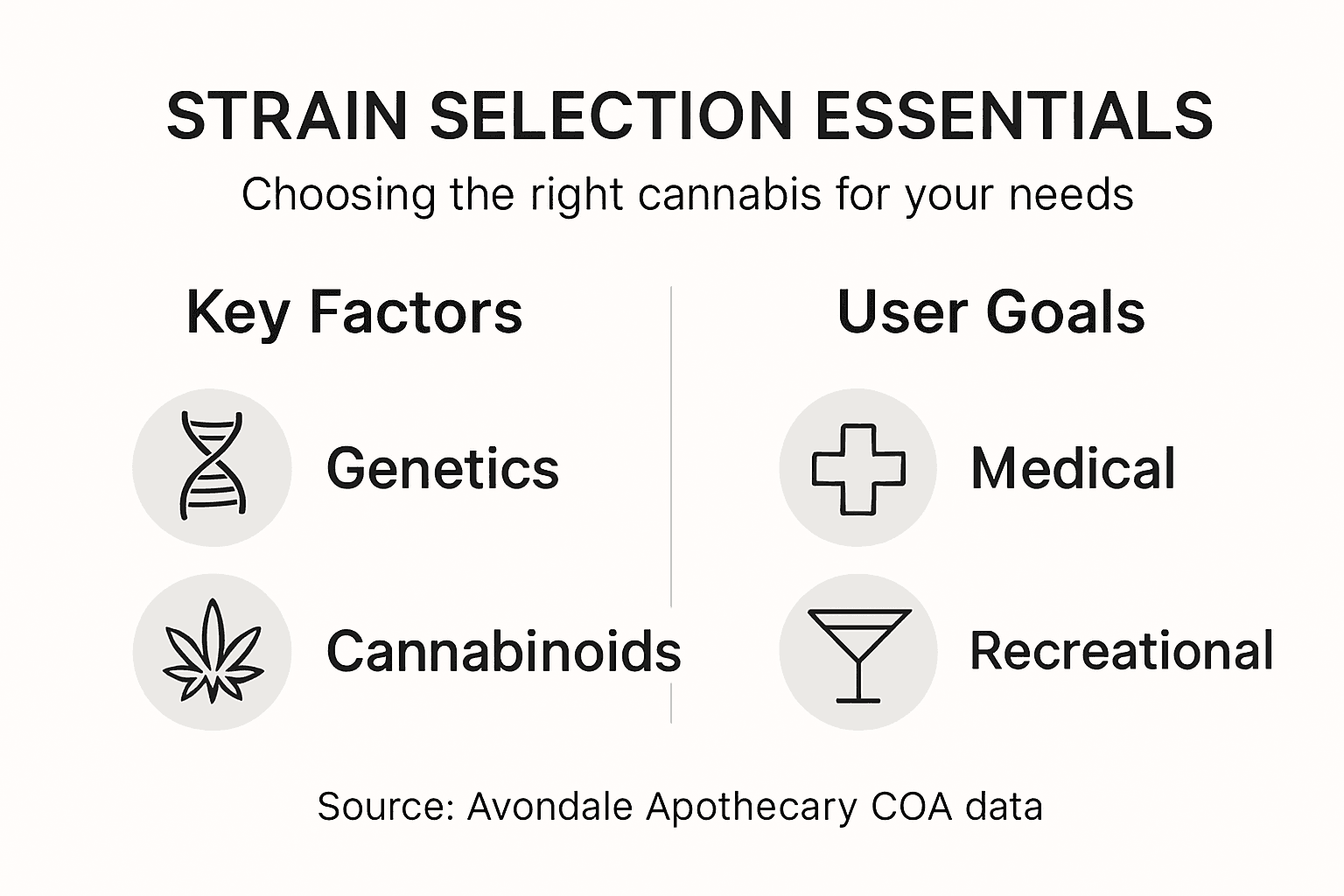
Three interconnected factors determine what you experience when using cannabis: the plant’s genetic background, its cannabinoid profile, and its terpene composition. These elements work together in complex ways that go far beyond simple strain names.
The Genetic Foundation
A strain’s genetics are its blueprint. They determine how the plant produces cannabinoids, which terpenes it emphasizes, and how it responds to growing conditions. Two plants with identical genetics grown differently might still produce similar effects because genetics remain constant.
Genetics influence:
- Baseline THC and CBD potential
- Which minor cannabinoids the plant naturally produces
- Terpene expression and complexity
- Growth patterns and flowering speed
Cannabinoids: The Active Molecules
THC creates the psychoactive “high,” while CBD provides calming effects without intoxication. But THC and CBD aren’t the only players. Minor cannabinoids like CBG, CBC, and THCV contribute unique effects that modify how you experience the plant overall.
The ratio matters enormously. A 1:1 THC:CBD strain produces completely different effects than a 20:1 ratio, even if both came from the same genetic parent.
Terpenes: The Flavor and Effect Amplifiers
Terpenes are aromatic compounds that do far more than create flavor and scent. Cannabis terpenes significantly influence effects by interacting with cannabinoids and your body’s systems. This synergy is called the entourage effect.
Common terpene profiles include:
- Myrcene: Earthy, herbal—enhances relaxation
- Limonene: Citrus, uplifting—boosts mood and focus
- Pinene: Pine, fresh—promotes alertness
- Linalool: Floral, sweet—calming and anxiety-reducing
- Caryophyllene: Spicy, peppery—anti-inflammatory
How They Work Together
The magic happens when cannabinoids and terpenes interact. A high-THC strain with relaxing terpenes like myrcene might feel sedating, while the same THC level paired with energizing limonene feels uplifting and social.
Genetics determine the foundation, cannabinoids create the primary effect, and terpenes fine-tune your experience. One dominant terpene can shift everything.
Summary of how key plant factors influence cannabis effects:
| Factor | Role in Effects | Consumer Takeaway |
|---|---|---|
| Genetics | Sets growth and baseline | Foundation for all outcomes |
| Cannabinoids | Primary psychoactive response | Choose ratios for desired effect |
| Terpenes | Modulate mood and flavor | Key to personalized experiences |
Your experience depends on the entire chemical profile, not just THC percentage. A strain’s name tells you almost nothing compared to its actual composition.
When selecting strains, request products with detailed cannabinoid and terpene data. This transparency lets you predict effects with remarkable accuracy instead of relying on guesswork.
Pro tip Look for strains with terpene profiles matching your desired effects rather than chasing high THC percentages—the terpene-cannabinoid combination determines how you’ll actually feel.
Matching Strain Choice to Medical or Recreational Needs
Medical and recreational cannabis users have fundamentally different priorities when selecting strains. Understanding your primary goal—symptom relief or enjoyment—shapes every decision you make about strain selection.
Medical Cannabis Selection
Medical users choose strains based on specific health outcomes. Medical cannabis strain selection depends on cannabinoid content and terpene profiles to maximize therapeutic effects while minimizing unwanted side effects.
Common medical applications include:
- Chronic pain: Higher CBD or balanced THC:CBD ratios
- Nausea and chemotherapy side effects: THC-dominant with anti-nausea terpenes
- Sleep disturbances: Myrcene-rich indicas promoting relaxation
- Muscle spasticity: CBD-forward strains for controlled relief
- Epilepsy and seizures: High-CBD, low-THC varieties
Medical users prioritize consistent cannabinoid ratios and documented effects. A patient managing chronic pain needs predictability, not surprises. This is why Certificates of Analysis matter enormously for medical purposes.
Recreational Cannabis Selection
Recreational users emphasize psychoactive effects and personal enjoyment. High THC levels create more pronounced euphoria, social effects, or creative stimulation. Flavor profiles and aroma become equally important as the experience itself.
Recreational priorities shift:
- Desired mood or social setting
- Flavor and sensory experience
- Intensity level you’re comfortable with
- Time of day and activity planned
Finding Your Match
Both approaches benefit from understanding your actual needs. Ask yourself honest questions before selecting a strain. Are you managing a specific symptom? Seeking stress relief without medical intent? Looking for social enhancement or creative flow?
Medical cannabis usage supports specific health conditions through tailored cannabinoid and terpene profiles, whereas recreational selection emphasizes enjoyment and psychoactive properties. The distinction matters when you’re shopping.
Don’t assume a strain labeled “medical” won’t work recreationally, or vice versa. The chemistry is what matters. A balanced THC:CBD strain works beautifully for recreational relaxation, while a THC-dominant strain can support pain management if the terpene profile aligns.
Your needs determine your ideal strain, not marketing labels or category assumptions. Medical users need consistency; recreational users can explore more freely.
Start by identifying your primary goal. Then match cannabinoid ratios and dominant terpenes to that outcome. This approach works equally well for either purpose.
Pro tip If you’re new to cannabis, start with lower THC strains and build familiarity with effects before exploring higher potencies—knowing how your body responds matters more than chasing strength.
Risks, Common Mistakes, and How to Avoid Them
Strain selection mistakes can lead to disappointing experiences or unintended effects. Understanding common pitfalls helps you make smarter choices and avoid outcomes you don’t want.
The THC Percentage Trap
The biggest mistake cannabis users make is selecting strains based solely on THC percentage. A 25% THC strain isn’t automatically better than a 15% one if the terpene profile creates anxiety instead of relaxation.
Why THC alone misleads:
- Higher THC doesn’t guarantee better effects for your specific needs
- Terpenes modify how you experience THC intensity
- Individual variation means the same strain affects different people differently
- Chasing high numbers often leads to negative experiences
You might select a 28% THC strain expecting euphoria and instead experience paranoia or overwhelming anxiety. The chemistry was wrong for you, not the percentage.
Common Strain Selection Mistakes
Cannabis risks include addiction and psychological effects, with high THC concentrations increasing these risks substantially. Beyond THC concentration, mistakes happen when users ignore individual variation and terpene influence.
Frequent errors include:
- Trusting strain names over actual cannabinoid data
- Ignoring personal sensitivity to specific terpenes
- Skipping Certificates of Analysis for quality verification
- Assuming marketing claims match actual effects
- Not accounting for tolerance or prior experiences
How to Avoid These Mistakes
Start by examining the complete chemical profile, not just THC percentage. Request or review the COA before purchasing. Identify which terpenes and cannabinoid ratios have worked well for you previously.
When trying new strains, document the experience. Note the cannabinoid profile, dominant terpenes, effects you felt, and how long they lasted. This personal database becomes invaluable for future selections.
Go slowly with new strains, especially those with higher THC levels or unfamiliar terpene profiles. Your body’s response matters more than anyone’s recommendation. What works for friends might not suit you.
Managing Long-Term Use
Regular users face tolerance and potential dependency concerns. Rotating between different cannabinoid ratios helps prevent tolerance buildup. Taking occasional breaks allows your system to reset.
Focusing on chemistry rather than percentages prevents the most common mistakes. Education and professional guidance transform strain selection from guesswork into strategy.
If you’re managing medical conditions, work with a healthcare provider familiar with cannabis. They can help monitor for unwanted interactions or accumulating effects over time.
Pro tip Keep a strain journal documenting cannabinoid profiles, terpenes, dosage, and your actual experience—this personal data becomes your most reliable guide for future selections.
Master Cannabis Strain Selection with Confidence
Choosing the right cannabis strain is more than picking a name from a list. As the article highlights, understanding cannabinoid ratios, terpene profiles, and genetics can dramatically improve your experience—whether for medical relief or recreational enjoyment. Many users face frustration when strain labels and high THC percentages do not deliver the desired effects. The key is transparency and access to detailed chemical information.
Avondale Apothecary offers a carefully curated collection of premium cannabis products, each accompanied by comprehensive Certificates of Analysis (COAs). This transparency ensures you know exactly what cannabinoids and terpenes you are getting before purchase. Our selection spans strains, edibles, concentrates, and more—supporting your journey to find the perfect match for your needs.
Explore our offerings to discover cannabis with verified profiles.
Shop now and take control of your cannabis experience today.

Frequently Asked Questions
What is cannabis strain selection?
Cannabis strain selection refers to the process of choosing from various cannabis varieties, focusing on their chemical profiles, such as THC levels, CBD content, and terpene profiles, to determine how they will affect your body.
How do cannabinoids and terpenes affect cannabis effects?
Cannabinoids like THC and CBD are the primary active compounds that shape the psychoactive and physical effects of cannabis, while terpenes modulate those effects, enhancing or diminishing specific experiences based on their individual characteristics.
Why is it important to look beyond strain names when selecting cannabis?
Strain names like indica or sativa are less meaningful than the actual chemical composition of the cannabis. Different strains can have vastly different effects based on their cannabinoid and terpene profiles, making it crucial to focus on these elements rather than just the name.
What should new cannabis users consider when selecting strains?
New cannabis users should start with lower THC strains to build familiarity with how their body responds, and they should pay attention to cannabinoid ratios and terpene profiles that match their desired effects to avoid overwhelming experiences.