
Choosing the right cannabinoid for your wellness routine can feel confusing, especially with new options gaining attention every year. For those seeking non-intoxicating cannabis experiences, cannabigerol (CBG) stands out as the foundational cannabinoid behind many others you may know. Its ability to interact with key receptor systems like CB1, CB2, and TRP channels offers unique potentials for inflammation, pain, and neurological support. This article uncovers the science behind CBG, with practical insights to help you make more informed decisions about your wellness journey.
Table of Contents
- CBG Explained: Role In Cannabis Science
- Types, Strains, And Extraction Methods
- CBG Versus CBD And THC: Key Differences
- Wellness Uses And Reported Benefits
- Safety, Risks, And Legal Considerations
Key Takeaways
| Point | Details |
|---|---|
| CBG as a Foundation | Cannabigerol (CBG) is the precursor molecule crucial for the development of other cannabinoids like THC and CBD, emphasizing its importance in understanding cannabis chemistry. |
| Non-Psychoactive Benefits | CBG is non-psychoactive and shows potential for anti-inflammatory, neuroprotective, and appetite-stimulating effects, making it a viable wellness option. |
| Quality and Testing | Consumers should prioritize products with verified cannabinoid content through third-party testing to ensure safety and compliance with legal standards. |
| Legal Considerations | CBG’s legal status varies by location; therefore, checking local regulations and purchasing from compliant retailers is essential for safety. |
CBG Explained: Role in Cannabis Science
Cannabinoids are the chemical compounds that make cannabis such a complex plant, and cannabigerol (CBG) holds a fascinating place in this chemistry. Unlike THC or CBD, CBG operates as the foundational molecule from which many other cannabinoids develop. Think of it as the parent compound in cannabis biochemistry. When cannabigerolic acid (CBGA) breaks down through heat or enzymatic processes, it transforms into the precursor molecules that eventually become THC, CBD, and dozens of other cannabinoids. This makes CBG functionally important not just for what it does directly in your body, but for understanding how the entire cannabinoid system works at the molecular level.
What makes CBG particularly interesting to researchers is its non-psychoactive nature combined with its pharmacological versatility. Unlike THC, CBG won’t produce a high regardless of the dose, making it an attractive option for those seeking cannabis wellness benefits without psychoactive effects. CBG interacts with your body through multiple receptor and signaling pathways, including CB1 and CB2 receptors, transient receptor potential (TRP) channels, and alpha-2 adrenergic receptors. This multi-targeted approach means CBG can influence several physiological processes simultaneously. Emerging research suggests CBG may offer anti-inflammatory, antioxidant, neuroprotective, and antimicrobial properties, though much of this work remains in early stages. Some studies also point to potential appetite-stimulating effects and possible applications in supporting cellular health, but it’s crucial to understand that human clinical evidence is still developing.
The scientific community has begun paying serious attention to CBG specifically because its abundance in early-stage cannabis plants presents both a research opportunity and a cultivation consideration. Growers can harvest plants before full cannabinoid maturation to capture higher CBG concentrations, creating specialized products for consumers interested in this specific cannabinoid’s effects. This represents a shift in how cultivators think about harvest timing and product development. When you compare CBG to other major cannabinoids like CBD’s well-researched profile or the abundance of THC research, you’ll notice CBG occupies a middle ground where preliminary evidence suggests real potential, but rigorous human clinical trials are still ongoing. This gap between laboratory findings and real-world medical applications is where much of the current cannabis science focus resides.
The pharmacological effects being investigated span multiple body systems and conditions, reflecting CBG’s complex interaction with your endocannabinoid and broader signaling networks. Researchers are exploring its potential in addressing inflammatory responses, supporting neurological function, managing pain perception, and even examining antimicrobial activity against resistant bacteria. However, the safety profile and optimal dosing remain areas requiring further investigation, which is why many producers emphasize the importance of quality testing and third-party analysis through comprehensive Certificates of Analysis (COAs). If you’re considering CBG products, understanding what you’re actually getting requires looking beyond marketing claims to the actual lab data, which shows cannabinoid profiles, potency levels, and testing for contaminants.
Pro tip: When evaluating CBG products, always request the Certificate of Analysis to verify CBG content percentage and confirm the product was tested for heavy metals, pesticides, and microbial contaminants, since potency and purity directly impact both the effectiveness and safety of your wellness experience.
Types, Strains, and Extraction Methods
Cannabis strains come in three primary categories that determine their cannabinoid profiles, growth characteristics, and effects. Sativa strains tend to produce plants with longer flowering cycles and typically higher ratios of THC to CBD, often associated with uplifting sensations. Indica strains generally mature faster and often carry higher CBD or more balanced cannabinoid profiles, frequently described as relaxing or sedating. Hybrid strains blend characteristics from both lineages, allowing cultivators and breeders to emphasize specific traits like CBG production, flavor compounds, or plant structure. When it comes to CBG specifically, growers have learned to manipulate harvest timing and strain selection to maximize CBG concentration before the plant converts it into other cannabinoids. Some breeders now focus on developing cannabis strains specifically bred for cannabinoid diversity, creating products where CBG remains a primary component rather than a minor trace element. This represents a significant shift in how the industry thinks about cannabinoid-targeted cultivation and product formulation.
Once cannabis plants reach harvest, the extraction method becomes critical for isolating and preserving CBG alongside other desirable compounds. Solvent based extraction using ethanol, hexane, or petroleum ether remains one of the most common approaches in commercial operations, offering reliable cannabinoid yield and the ability to preserve terpenes when done carefully. Pressurized gas extraction using butane, propane, or supercritical carbon dioxide (CO2) provides different efficiency profiles and end product characteristics. CO2 extraction has gained popularity because it operates at lower temperatures, minimizing degradation of heat-sensitive compounds like terpenes and cannabinoids. Beyond these conventional methods, emerging extraction technologies including ultrasound-assisted and microwave-assisted approaches show promise for improving yield and quality, though they require further refinement for commercial scale production. Each extraction method affects not only the concentration of CBG you end up with but also the presence of residual solvents, co-extracted plant materials, and the overall profile of cannabinoids and terpenes in your final product. This is why understanding extraction methods matters when evaluating product quality and safety.
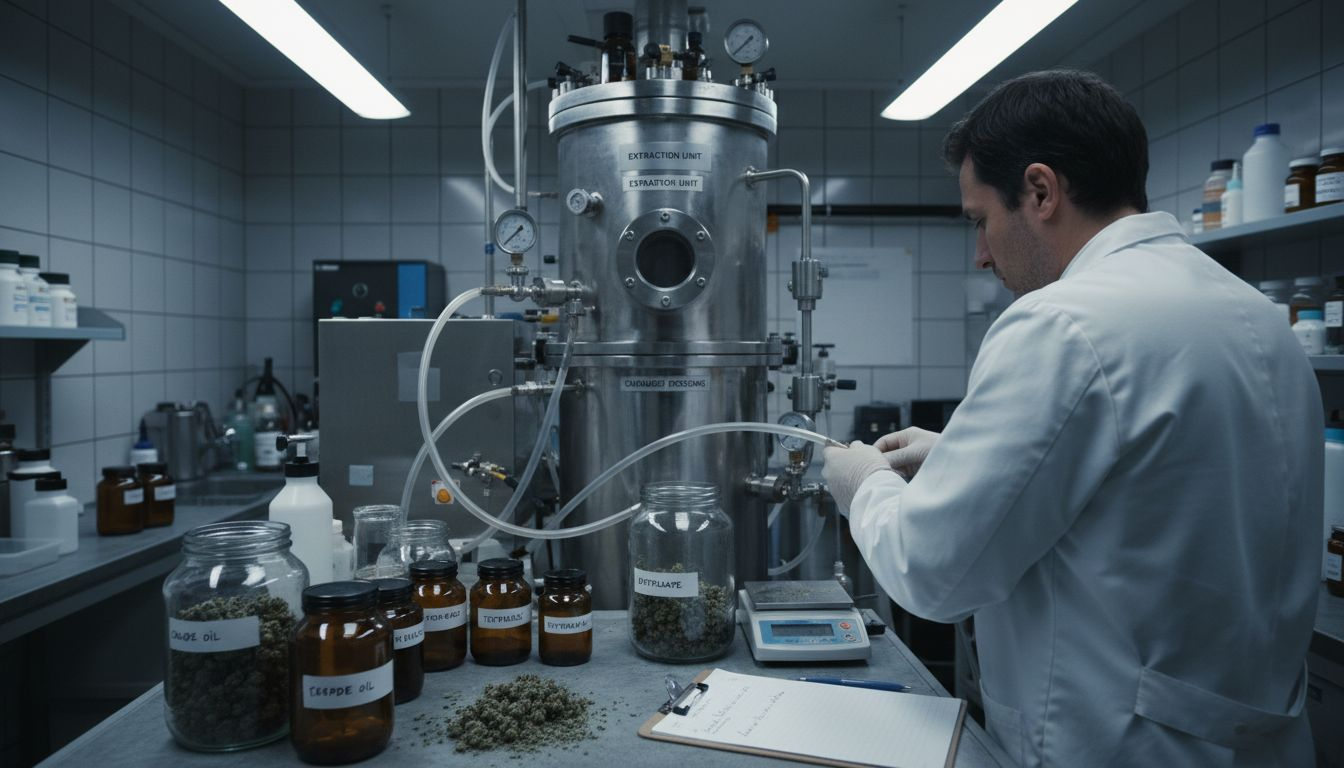
Drying and preparation steps happen before extraction and profoundly influence what ends up in your final product. Hang drying and freeze drying are the primary methods used to preserve cannabinoids and terpenes while removing moisture. Hang drying is more traditional and cost effective but can take one to two weeks and carries risks of mold or uneven drying if humidity or temperature fluctuate. Freeze drying preserves cannabinoids and aromatic compounds more completely but requires specialized equipment and significantly increases production costs. Once dried, cannabis material can undergo solventless extraction methods like rosin pressing, which uses heat and pressure to squeeze cannabinoid rich oil directly from the plant material without chemical solvents. This approach appeals to consumers seeking solvent free products, though it typically yields less total extract than solvent based methods. The choice of drying method, extraction technique, and processing approach directly affects CBG availability, preservation quality, and the presence of unwanted compounds, which is why quality focused producers invest in multiple verification steps and third party testing throughout their production chain.
When you’re selecting CBG products, understanding the strain type and extraction method provides crucial context for what you’re actually purchasing. A CBG rich sativa strain processed with CO2 extraction will deliver a completely different experience and cannabinoid profile compared to a hybrid strain processed with ethanol or a freeze dried concentrate. The transparency around these details separates premium producers from those cutting corners. Quality manufacturers provide information about strain genetics, harvest dates, drying methods, and extraction techniques because these factors directly impact efficacy, safety, and the specific wellness benefits you might experience. Avondale Apothecary emphasizes this transparency through detailed product information and Certificates of Analysis for every item, allowing you to make informed decisions based on actual data rather than marketing hype.
Pro tip: Request extraction method details and drying protocols when purchasing CBG products, as CO2 extraction combined with freeze drying preserves more terpenes and heat sensitive cannabinoids, typically delivering superior flavor, aroma, and therapeutic potential compared to solvent based methods.
CBG Versus CBD and THC: Key Differences
Three major cannabinoids dominate conversations about cannabis: THC, CBD, and CBG. While they share similar molecular formulas and originate from the same plant, their effects on your body operate through fundamentally different mechanisms. THC is the psychoactive compound that produces the sensation of being high by directly binding to CB1 receptors in your brain and central nervous system, affecting mood, perception, and cognition. CBD works indirectly by modulating your endocannabinoid system rather than binding directly to receptors, producing anti-inflammatory and anxiolytic effects without intoxication. CBG, operating as the precursor molecule to both THC and CBD, functions through multiple receptor pathways and shows emerging potential for neuroprotective and anti-inflammatory benefits. Understanding these distinctions matters because they determine how each cannabinoid affects your wellness experience, what sensations or effects you might notice, and whether a product aligns with your specific wellness goals. The chemical structure differences may seem subtle on paper, but they translate into dramatically different real-world outcomes when you consume these cannabinoids.
The psychoactive versus non-psychoactive distinction represents the most obvious difference between THC’s intoxicating properties and both CBD and CBG. If you consume significant amounts of THC, you will experience noticeable psychoactive effects ranging from mild mental clarity shifts to profound alterations in perception, depending on dose and individual sensitivity. CBD and CBG will not produce this high regardless of dosage, making them attractive for daytime use or for individuals who want cannabis wellness benefits without intoxication. However, the absence of psychoactive effects does not mean CBG and CBD are inactive or ineffective. CBD has become widely studied precisely because it delivers measurable wellness benefits through non-psychoactive mechanisms, reducing anxiety and inflammation through indirect endocannabinoid system modulation. CBG operates similarly but through a different set of receptor interactions and pathways. This is why some people report that CBG products feel more energizing or focused compared to CBD, which many describe as calming. These subjective differences reflect the distinct pharmacological profiles each cannabinoid brings to your endocannabinoid system.
The receptor binding profiles explain why these cannabinoids produce such different effects despite their chemical similarity. THC binds directly and strongly to CB1 receptors, which are concentrated in your brain and linked to mood, memory, appetite, and pain perception. This direct binding creates the psychoactive effects and explains why THC influences cognitive function and perception. CBD has low affinity for both CB1 and CB2 receptors, instead working through serotonin receptors, vanilloid receptors, and other signaling systems to produce its effects. CBG interacts with CB1 and CB2 receptors but with different potency profiles than THC, plus it engages with TRP channels and alpha-2 adrenergic receptors, creating a multi-targeted approach to influencing inflammation and neurological function. Think of it this way: THC is like a key that fits directly into a specific lock and turns it forcefully. CBD is more like a substance that influences how locks function without directly turning them. CBG works through multiple locks simultaneously, each with slightly different effects. This mechanistic diversity explains why some people respond better to one cannabinoid over another and why combining cannabinoids sometimes produces different results than using them individually.
When selecting products, recognizing these differences helps you match cannabinoids to your wellness intentions. If you want full psychoactive effects and are comfortable with intoxication, THC dominates your choices. If you seek anti-anxiety or anti-inflammatory benefits without psychoactive effects, CBD offers extensive research support and product availability. If you want to explore emerging neuroprotective properties and multi-pathway endocannabinoid system engagement while avoiding intoxication, CBG represents an increasingly accessible option as cultivation and extraction techniques improve. Many premium cannabis consumers now use products containing multiple cannabinoids together, recognizing that THC, CBD, and CBG can work synergistically when combined appropriately. Avondale Apothecary provides detailed cannabinoid profiles for every product, allowing you to see exactly which compounds are present and in what concentrations, so you can make informed decisions based on your personal wellness goals rather than guessing from product names alone.
Here’s how the three major cannabinoids compare:
| Property | CBG | CBD | THC |
|---|---|---|---|
| Psychoactivity | Non-psychoactive | Non-psychoactive | Psychoactive |
| Main Receptor Action | CB1, CB2, TRP, adrenergic | Indirect on endocannabinoid, serotonin, vanilloid | Direct to CB1 |
| Prominent Effects | Focus, anti-inflammatory, appetite | Calming, anti-anxiety, anti-inflammatory | Altered mood, appetite, intoxication |
| Research Stage | Emerging, preclinical/early clinical | Extensive, human clinical trials | Extensive, human and clinical trials |
Pro tip: Start by identifying your primary wellness goal, then choose products based on cannabinoid profile rather than brand reputation, since THC addresses certain needs, CBD addresses others, and CBG offers unique properties that may not overlap with either of them.
Wellness Uses and Reported Benefits
Consumers explore CBG for a surprisingly broad range of wellness applications, though it’s important to understand the distinction between preliminary research findings and established medical treatments. Anxiety and stress management represents one of the most commonly reported uses, supported by a human clinical trial showing that 20 milligrams of hemp-derived CBG significantly reduced anxiety without intoxication. What made this study particularly noteworthy was an unexpected finding: participants also experienced enhanced memory recall alongside anxiety reduction. This dual benefit suggests CBG might appeal to professionals or students seeking stress relief without cognitive dulling, which distinguishes it from some other cannabinoid options. Inflammation management drives another substantial portion of CBG interest, as research highlights its anti-inflammatory and neuroprotective properties across multiple physiological systems. People dealing with post-workout recovery, chronic joint discomfort, or systemic inflammatory responses report using CBG as part of their wellness routine. The mechanistic evidence suggests CBG reduces inflammatory markers through multiple pathways, making it potentially useful for conditions where inflammation plays a central role.
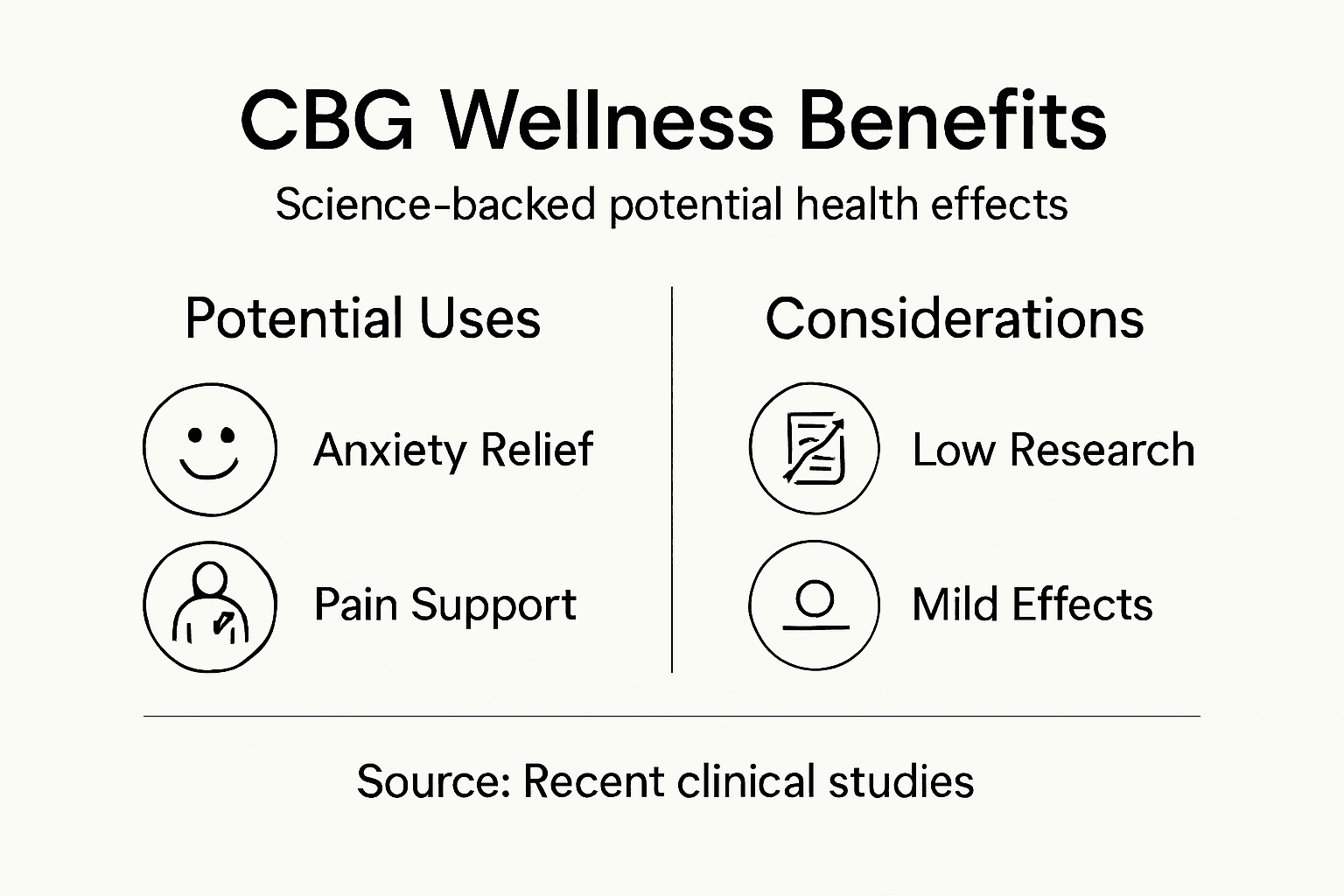
Beyond anxiety and inflammation, emerging research explores CBG’s potential in addressing neurological and degenerative concerns. The neuroprotective properties researchers have identified suggest CBG may support brain health and neurological resilience, areas that appeal to health conscious adults concerned with cognitive longevity and mental clarity. Some consumers report that CBG products produce a more focused, alert sensation compared to CBD, which they describe as more relaxing. This subjective difference aligns with the distinct receptor interactions CBG engages with, including alpha-2 adrenergic receptors that influence attention and alertness. Pain management represents another application area, with preclinical studies indicating CBG’s analgesic potential through its multi-pathway endocannabinoid system engagement. People dealing with acute pain from injury, chronic pain from underlying conditions, or pain associated with medical procedures sometimes incorporate CBG into their wellness protocols. Additionally, research suggests CBG may support metabolic function and appetite regulation, potentially benefiting those managing weight or dealing with appetite related concerns. The antimicrobial properties researchers have documented also generate interest among consumers seeking natural support for immune and microbiome health, though this application area remains more speculative than the anxiety and inflammation research.
It’s crucial to recognize that while preclinical and early clinical evidence paints an optimistic picture, CBG remains largely in the research phase for most wellness applications. The human clinical trial demonstrating anxiety reduction at 20 milligrams represents a significant data point, but larger, longer-term studies are still needed to establish optimal dosing, identify potential long-term effects, and determine which populations benefit most. CBG is not an established pharmaceutical treatment for any condition, and anyone with existing health concerns should consult healthcare providers before adding cannabinoid products to their wellness routine. Individual responses to CBG vary considerably based on genetics, endocannabinoid system sensitivity, product formulation, and consumption method. Some people report noticeable effects from minimal doses while others detect nothing even at higher amounts. This variability makes personal experimentation important, starting with lower doses and adjusting gradually while paying attention to your specific response. Quality matters significantly here, which is why products with verified cannabinoid content through third-party testing provide more predictable and reliable experiences than unverified alternatives.
Key benefits and limitations of CBG based on current research:
| Area | Potential Benefit | Limitation |
|---|---|---|
| Anxiety | Reduces anxiety, improves recall | Only small clinical studies |
| Inflammation | Multi-pathway anti-inflammatory action | Dosing guidelines unclear |
| Neurological | Possible neuroprotective effects | Long-term safety unproven |
| Pain | May help acute and chronic pain | Results mostly preclinical |
| Appetite | Can stimulate appetite | Varies by individual |
Pro tip: If exploring CBG for wellness purposes, start with products containing 10 to 20 milligrams of CBG daily and maintain a simple journal tracking your mood, energy, focus, and any physical sensations for two to three weeks before adjusting dosage, since individual responses vary widely and consistent observation helps you identify genuine effects versus placebo responses.
Safety, Risks, and Legal Considerations
CBG appears well tolerated based on current research, with most users reporting minimal side effects when consuming quality products. However, understanding potential risks and legal frameworks is essential before incorporating CBG into your wellness routine. Drug interactions represent the primary safety concern researchers have identified. CBG interacts with liver enzymes called CYP450, which metabolize numerous medications including blood thinners, heart medications, immunosuppressants, and many others. If you take prescription medications regularly, consult your healthcare provider before adding CBG products, as they can advise whether interactions are likely and adjust dosing if needed. Pregnancy and breastfeeding remain areas where safety data is essentially nonexistent. Current research has not established whether CBG is safe during pregnancy or while nursing, which means the prudent approach is avoiding CBG entirely during these periods unless explicitly recommended by an obstetrician or midwife familiar with cannabinoid research. Beyond these specific concerns, CBG is generally well tolerated with minimal adverse effects, though long-term safety data remains limited. Most users experience no negative effects, though some report mild drowsiness, dry mouth, or appetite changes depending on dosage and individual sensitivity.
Legal status creates a more complex landscape than safety considerations, varying significantly by geography and requiring careful attention to local regulations. In the United States, hemp-derived CBG with less than 0.3% THC is federally legal under the 2018 Farm Bill, making it widely available through online retailers and physical stores in most states. However, this federal legality does not guarantee legal status in every state, as some states maintain stricter cannabis regulations that may restrict or prohibit cannabinoids regardless of federal law. Several states, including New York, California, and Colorado, have embraced hemp-derived cannabinoids broadly. Others remain more restrictive. The European Union permits hemp-derived cannabinoids below 0.2% THC federally, but individual European countries maintain varying regulations, with some embracing the EU framework and others imposing stricter limits or requiring pharmaceutical licensing for cannabinoid products. Canada has strict regulations requiring products to meet specific THC and CBD limits, and CBG products must comply with Health Canada guidelines. Before purchasing CBG products, verify what your local, state, or national laws permit. Purchasing from reputable retailers who maintain compliance with local regulations provides additional protection, as legitimate companies invest in legal consultation and maintain awareness of evolving regulations.
Product quality and transparency directly impact both safety and legal compliance. Legitimate CBG producers invest in third-party laboratory testing through accredited facilities that verify cannabinoid content, screen for contaminants including pesticides and heavy metals, and confirm products meet regulatory THC limits for their jurisdiction. Certificates of Analysis from these third-party labs provide objective evidence that products contain what manufacturers claim and have been tested for safety concerns. Conversely, products without accessible third-party testing create unknown risks. You might receive products with higher THC than stated, unlabeled contaminants, or significantly different cannabinoid profiles than advertised. Avondale Apothecary emphasizes this transparency by providing comprehensive Certificates of Analysis for all products, allowing you to verify exactly what you are purchasing before consumption. This commitment to verification protects your health and ensures legal compliance, since products exceeding THC limits could create legal consequences in jurisdictions with strict regulations.
The regulatory landscape continues evolving as more research accumulates and jurisdictions update their frameworks. What is legal today might change, and regulations that restrict CBG in one jurisdiction may be relaxed as evidence mounts. Staying informed about your local regulations, consulting healthcare providers if you take medications or have existing health conditions, and prioritizing products with transparent third-party testing creates a responsible approach to CBG exploration. Starting with lower doses and monitoring your personal response provides additional safety margin, particularly for individuals trying cannabinoids for the first time. Legal compliance combined with quality assurance transforms CBG from an uncertain purchase into a transparent, accountable wellness product.
Pro tip: Before purchasing any CBG product, verify it includes a Certificate of Analysis showing third-party testing results confirming cannabinoid content and contaminant screening, then cross-reference your local and state regulations to ensure the product’s THC level complies with your jurisdiction’s legal limits.
Discover Premium CBG Products Designed for Your Wellness Goals
Understanding the unique role of CBG in cannabis wellness brings new opportunities and challenges. Whether you seek its anti-inflammatory benefits, neuroprotective effects, or non-psychoactive support for anxiety and focus, finding high-quality CBG products with verified potency is critical. Many people struggle to identify trustworthy sources that offer transparent cannabinoid profiles and reliable Certificates of Analysis to ensure safety and effectiveness.
Avondale Apothecary is dedicated to bridging this gap by offering a curated selection of CBG-rich cannabis strains and concentrates produced with advanced extraction and drying methods. Each product comes with detailed lab results so you can confidently choose items that match your wellness intentions and legal requirements. With a user-friendly online experience at Avondale Apothecary and clear insights about cannabinoid content, you avoid the guesswork and feel empowered to explore CBG’s potential.
Take control of your cannabis wellness journey today by visiting Avondale Apothecary.
Explore our premium cannabis collection now and unlock the focused benefits of CBG crafted with transparency and care. Your path to informed and effective cannabis wellness starts here.
Frequently Asked Questions
What is CBG and how does it differ from THC and CBD?
CBG, or cannabigerol, is a non-psychoactive cannabinoid found in cannabis plants. Unlike THC, which produces a high by binding to CB1 receptors in the brain, and CBD, which modulates the endocannabinoid system without direct receptor binding, CBG acts on multiple receptors including CB1 and CB2, offering potential benefits such as anti-inflammatory and neuroprotective properties.
What are the potential wellness benefits of CBG?
Research suggests that CBG may help manage anxiety, reduce inflammation, support neurological health, assist in pain management, and stimulate appetite. While some studies indicate its promising effects, more research is needed to fully establish its medical applications and optimal dosing.
How should I take CBG products for the best results?
It’s recommended to start with a lower dose of CBG, such as 10 to 20 milligrams daily, and gradually adjust based on your individual response. Keeping a journal of your mood, energy levels, and any physical sensations can help track effects and identify the ideal dosage for you.
What extraction methods are used for CBG products and how do they affect quality?
Common extraction methods for CBG include solvent-based extraction, like ethanol and CO2 extraction, and solventless methods, such as rosin pressing. Each method affects the final product’s cannabinoid profile, potency, and the presence of residual solvents. Quality producers often provide Certificates of Analysis to verify the effectiveness and safety of their extraction processes.