
Over 90 percent of cannabis’s psychoactive effects come from a single molecule called THC. Whether someone seeks relief from chronic pain or simply enjoys a sense of relaxation, this compound plays a central role in how cannabis affects the mind and body. By understanding THC’s chemistry and how it interacts with the body, you can make smarter decisions about cannabis products and tailor your experiences for both enjoyment and wellness.
Table of Contents
- Defining THC and Its Role in Cannabis
- Different Types of THC and Variations
- How THC Affects the Human Body
- Medical and Recreational Uses of THC
- Legal Status and Safety Considerations
- Comparing THC With CBD and Alternatives
Key Takeaways
| Point | Details |
|---|---|
| Psychoactive Nature of THC | THC is the primary psychoactive component of cannabis, influencing mood and perception through interactions with CB1 receptors in the brain. |
| Diverse THC Variants | Cannabis contains various THC variants, such as Delta-8 and THCV, each with unique effects ranging from mild to high psychoactivity. |
| Impact on Human Body | THC’s effects vary based on consumption methods; inhalation leads to rapid effects, while oral ingestion results in slower absorption and prolonged experiences. |
| Medical and Recreational Uses | THC serves both therapeutic purposes, such as pain and nausea relief, and recreational enjoyment, though responsible consumption is crucial due to potential side effects. |
Defining THC and Its Role in Cannabis
Tetrahydrocannabinol, or THC, represents the primary psychoactive compound found in cannabis plants that creates the characteristic “high” associated with marijuana consumption. According to NCBI, Δ9-tetrahydrocannabinol specifically interacts with the body’s endocannabinoid system, particularly targeting CB1 receptors in the brain and profoundly influencing mood, cognition, and perception.
The chemical transformation of THC is fascinating and complex. As research from MDPI reveals, THC is formed through decarboxylation - a process where tetrahydrocannabinolic acid (THCA) converts into active THC during cannabis drying and subsequent heating methods like smoking, vaping, or cooking. This activation unlocks THC’s psychoactive properties, making it the principal component responsible for cannabis’s mind-altering effects.
Understanding THC involves recognizing its multifaceted nature. Key characteristics include:
- Molecular structure that allows direct interaction with human neurological systems
- Capacity to produce both euphoric and therapeutic effects
- Variable potency depending on cultivation, strain, and processing methods
For those wanting to explore THC’s nuanced role in cannabis products, our guide on understanding THC levels provides deeper insights into interpreting and comprehending its complex profile.
Different Types of THC and Variations
Cannabis contains multiple THC variants, each with unique chemical structures and effects. According to NCBI, different cannabinoids contribute to the complex pharmacological profiles of cannabis strains, with Δ9-THC remaining the most abundant and psychoactive compound.
The primary THC variations include:
Here’s a comparison of major THC variants found in cannabis:
| Variant | Psychoactivity Level | Notable Effects |
|---|---|---|
| Delta-9 THC | High | Euphoria Altered perception |
| Delta-8 THC | Moderate | Milder high Relaxation |
| THCA | None (precursor) | Anti-inflammatory No high |
| THCV | Low to Moderate | Possible appetite suppression |
- Delta-9 THC: The most well-known psychoactive cannabinoid
- Delta-8 THC: A less potent molecular cousin with milder effects
- THCA: The non-psychoactive precursor that transforms when heated
- THCV: A variant with potentially different metabolic interactions
Research from MDPI highlights that while Δ9-THC dominates cannabis chemistry, the plant produces multiple cannabinoids with varying properties. This diversity means that different strains can produce remarkably different experiences based on their specific cannabinoid compositions.

For cannabis enthusiasts seeking to understand these nuanced differences, our guide on Delta-9 effects provides deeper insights into how these molecular variations impact user experience and potential therapeutic applications.
How THC Affects the Human Body
The journey of THC through the human body is a complex biological interaction that begins the moment cannabis is consumed. According to NCBI, THC primarily exerts its effects by binding to CB1 receptors in the brain, leading to profound alterations in mood, cognition, and sensory perception. This neurological engagement can trigger a range of experiences from euphoria and relaxation to potential side effects like temporary memory impairment and reduced coordination.
The metabolic process of THC is equally fascinating. As research from PMC reveals, THC undergoes significant transformation after consumption, with the liver playing a crucial role in metabolizing the compound. Different consumption methods dramatically influence THC’s impact:
- Inhalation: Rapid absorption, quick onset of effects
- Oral ingestion: Slower absorption, prolonged and potentially more intense experience
- Topical application: Localized effects with minimal psychoactive response
These variations mean that the same THC quantity can produce remarkably different experiences depending on how it enters the body. Individual factors like metabolism, tolerance, and body chemistry further modulate these effects, making each cannabis experience uniquely personal.
For those interested in exploring THC’s nuanced interactions with the human body, our guide on THC in edibles offers deeper insights into how different consumption methods can shape your cannabis experience.
Medical and Recreational Uses of THC
THC represents a versatile compound with significant implications for both medical treatment and recreational enjoyment. According to MDPI, the compound has demonstrated remarkable medical applications, particularly in managing challenging health conditions. Specifically, THC has been utilized to alleviate chemotherapy-induced nausea and stimulate appetite for patients experiencing severe weight loss associated with conditions like HIV/AIDS.
The therapeutic potential of THC extends across multiple health domains. Research from PMC highlights its potential benefits in medical contexts:
- Pain management: Providing relief for chronic pain conditions
- Muscle spasticity reduction: Helping patients with neurological disorders
- Appetite stimulation: Supporting patients with metabolic challenges
Recreationally, THC offers users a unique experience characterized by euphoria and relaxation. However, its psychoactive properties demand responsible consumption. The compound’s dual nature means users must balance potential therapeutic benefits with understanding individual tolerance and potential side effects.
For cannabis enthusiasts interested in exploring the nuanced world of recreational cannabis, our recreational cannabis guide provides comprehensive insights into responsible and enjoyable consumption.
Legal Status and Safety Considerations
Navigating the landscape of THC involves understanding its complex legal and safety dimensions. According to NCBI, the legal status of THC remains highly variable, with regulations ranging from complete prohibition to sanctioned medical and recreational use. This legal complexity reflects the nuanced scientific and societal debates surrounding cannabis consumption.
Safety considerations are paramount when exploring THC usage. Research from PMC highlights several critical potential risks:
- Cognitive impairment: Potential short-term memory and concentration impacts
- Mental health risks: Possible exacerbation of underlying psychological conditions
- Dependency potential: Risk of developing cannabis use disorder
- Interaction with medications: Possible adverse interactions with other drugs
Responsible consumption requires a comprehensive understanding of individual health factors, legal constraints, and personal tolerance. While THC offers potential therapeutic and recreational benefits, users must approach its use with informed caution, understanding their personal health context and local regulatory environment.
For cannabis consumers seeking to understand the nuanced world of responsible consumption, our cannabis edibles safety guide provides essential insights into making informed, safe choices.
Comparing THC With CBD and Alternatives
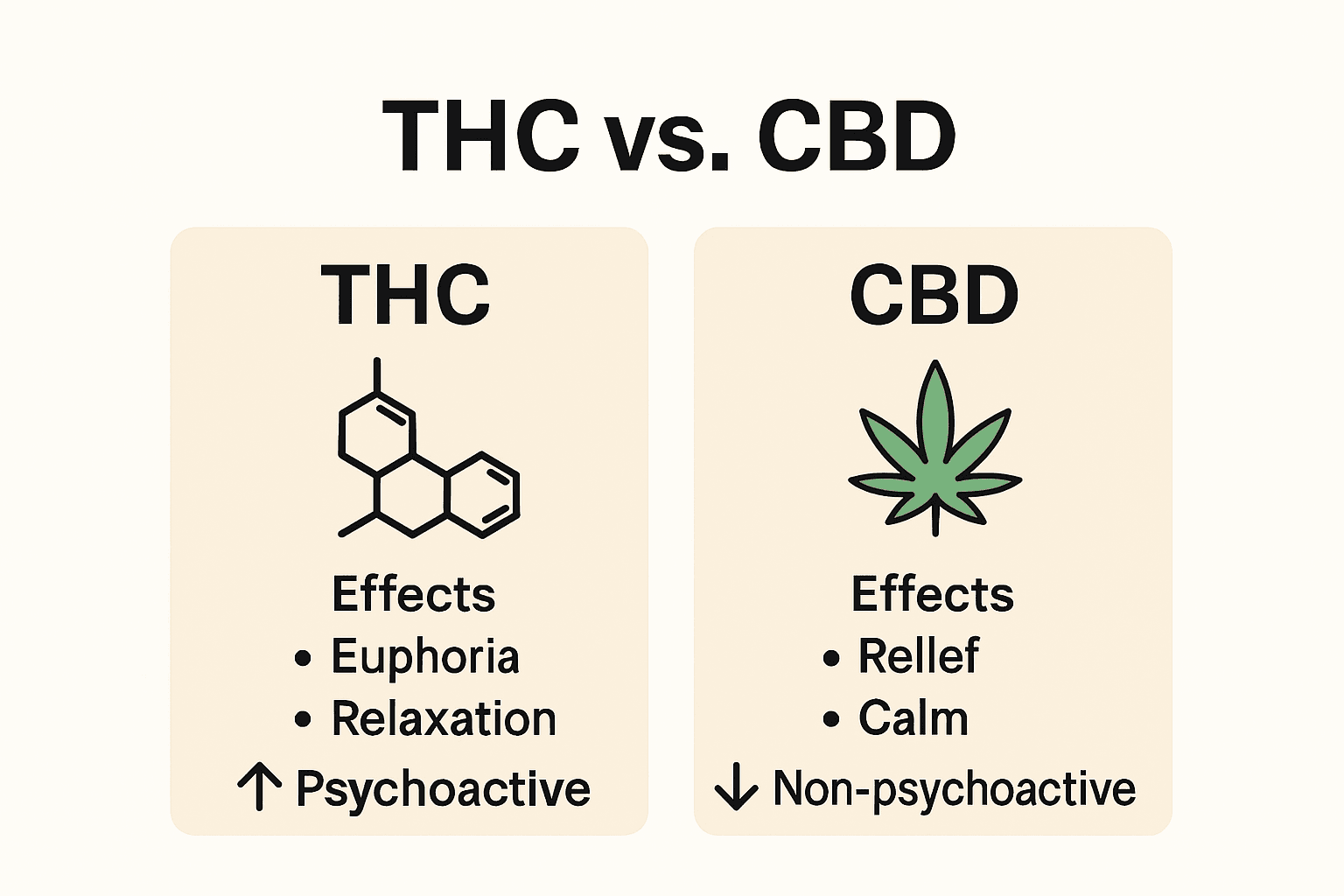
The world of cannabinoids is complex and nuanced, with THC and CBD representing two distinct yet fascinating compounds. According to NCBI, these cannabinoids differ dramatically in their effects - THC remains psychoactive, inducing euphoria and cognitive alterations, while CBD offers a non-intoxicating alternative without producing a ‘high’.
Research from PMC reveals the diverse therapeutic potential of these compounds:
THC Characteristics:
- Psychoactive effects
- Potential recreational use
- Strong neurological interaction
CBD Characteristics:
- Non-psychoactive profile
- Potential therapeutic applications
- Explored for conditions like anxiety and chronic pain
Beyond THC and CBD, cannabis offers additional alternatives such as Delta-8 THC, which provides a milder psychoactive experience. Each cannabinoid presents unique properties, allowing users to select compounds aligned with their specific wellness or recreational objectives.
For those interested in exploring the nuanced world of cannabinoids, our comprehensive guide on CBD provides deeper insights into understanding these complex compounds.
Discover Quality THC Products Tailored for You
Understanding THC and its many effects can feel overwhelming. You want safe, transparent, and high-quality cannabis products that match your needs whether you seek relaxation, therapeutic relief, or recreational enjoyment. At Avondale Apothecary, we know that choosing the right THC strain, edible, or concentrate matters since potency and product type dramatically influence your experience and wellness.

Explore our carefully curated selection today on Avondale Apothecary where transparency meets variety. Each product comes with detailed Certificates of Analysis giving you complete confidence. Whether you are curious about different kinds of THC or prefer precise dosing options, start your journey with us now. Visit our complete cannabis product selection and take control of your cannabis experience with reliable information and premium quality.
Frequently Asked Questions
What is THC and how does it affect the body?
THC, or tetrahydrocannabinol, is the primary psychoactive compound in cannabis. It interacts with CB1 receptors in the brain, leading to changes in mood, cognition, and perception, and can cause effects ranging from euphoria to memory impairment.
What are the different types of THC and their effects?
The main types of THC include Delta-9 THC, which is highly psychoactive, and Delta-8 THC, which is less potent. THCA is non-psychoactive and transforms into THC when heated. THCV may have appetite-suppressing effects and can vary in psychoactivity.
How is THC metabolized in the body?
After consumption, THC is primarily metabolized by the liver. Its effects vary based on consumption methods; inhalation leads to rapid absorption and quick effects, while oral ingestion results in slower onset and longer-lasting effects.
What are the medical uses of THC?
THC is used medically to alleviate conditions such as chemotherapy-induced nausea, manage chronic pain, reduce muscle spasms, and stimulate appetite in individuals with severe weight loss. Its therapeutic properties make it a valuable compound in various health contexts.