
Finding the right cannabis brand can feel overwhelming when every product claims to set a new standard. For North American adults who want not just quality but also transparency and real value, choosing matters more than ever. The difference between a typical product and a trusted favorite often comes down to a distinct brand identity that reflects your values and guarantees consistency. This guide explains what defines today’s top cannabis brands and why that definition matters whether you’re seeking relief, enjoyment, or simply peace of mind.
Table of Contents
- Defining A Cannabis Brand In Today’s Market
- Types Of Cannabis Brands And Product Categories
- Key Elements That Distinguish Top Cannabis Brands
- Legal, Compliance, And Marketing Regulations
- Why Cannabis Brands Matter For Consumers
Key Takeaways
| Point | Details |
|---|---|
| Brand Identity is Crucial | A cannabis brand comprises visual identity, messaging, values, and personality that connect with consumers and build trust. |
| Know Your Audience | Successful cannabis brands tailor their offerings to meet the differing needs of medical patients and recreational users. |
| Quality and Transparency Matter | Top brands uphold rigorous quality standards and transparent practices, which are essential for building consumer confidence. |
| Understand Compliance | Cannabis marketing is heavily regulated; stringent compliance can enhance brand credibility and foster customer loyalty. |
Defining a Cannabis Brand in Today’s Market
A cannabis brand is far more than just a company name or logo on packaging. It’s the complete collection of experiences, values, and promises that connect a business to its consumers. At its core, a cannabis brand encompasses the visual identity, messaging tone, values, and personality that create recognition and build emotional trust with your target audience. When you think about premium cannabis retailers, you’re picturing specific aesthetics, product quality standards, and consumer experiences that have been deliberately crafted over time. That’s brand identity in action.
In today’s competitive market, successful cannabis brands distinguish themselves through three essential elements. First, they develop a unique selling proposition that sets them apart from competitors, whether that’s commitment to organic cultivation methods, innovative product formats, or transparency through detailed testing documentation. Second, they craft an authentic brand story that resonates with consumer values and explains why the business exists beyond making profit. This story becomes the bridge between the brand’s mission and what customers actually care about. Third, winning brands maintain consistency across every touchpoint, from visual design to customer service to how they communicate regulatory compliance. This consistency builds trust, which is arguably the most valuable asset any cannabis business can possess.
The stakes are particularly high in cannabis retail because your audience includes both medical patients seeking reliable symptom relief and recreational consumers looking for quality experiences. These groups have different needs, preferences, and expectations. A brand that understands this reality tailors its voice, product selection, and messaging accordingly while maintaining core values. You might notice how cannabis retail businesses balance access and quality to serve these different segments effectively. The brands that succeed recognize that every decision, from which products you stock to how you display certificates of analysis, sends a message about who you are and what you stand for.
Pro tip: Start by identifying your brand’s core purpose beyond selling products, then ensure every visual element, from packaging design to your website, consistently communicates that purpose to both new and returning customers.
Types of Cannabis Brands and Product Categories
Cannabis brands today operate across multiple product categories, each serving distinct consumer needs and preferences. The market has evolved far beyond flower alone, expanding to include edibles, beverages, concentrates, vapes, topicals, and tinctures. This diversification reflects how different consumers want to experience cannabis, whether through rapid onset, long-lasting effects, or targeted relief. A premium brand like Avondale Apothecary recognizes that offering variety across these categories builds customer loyalty and establishes itself as a comprehensive resource rather than a single-product retailer.
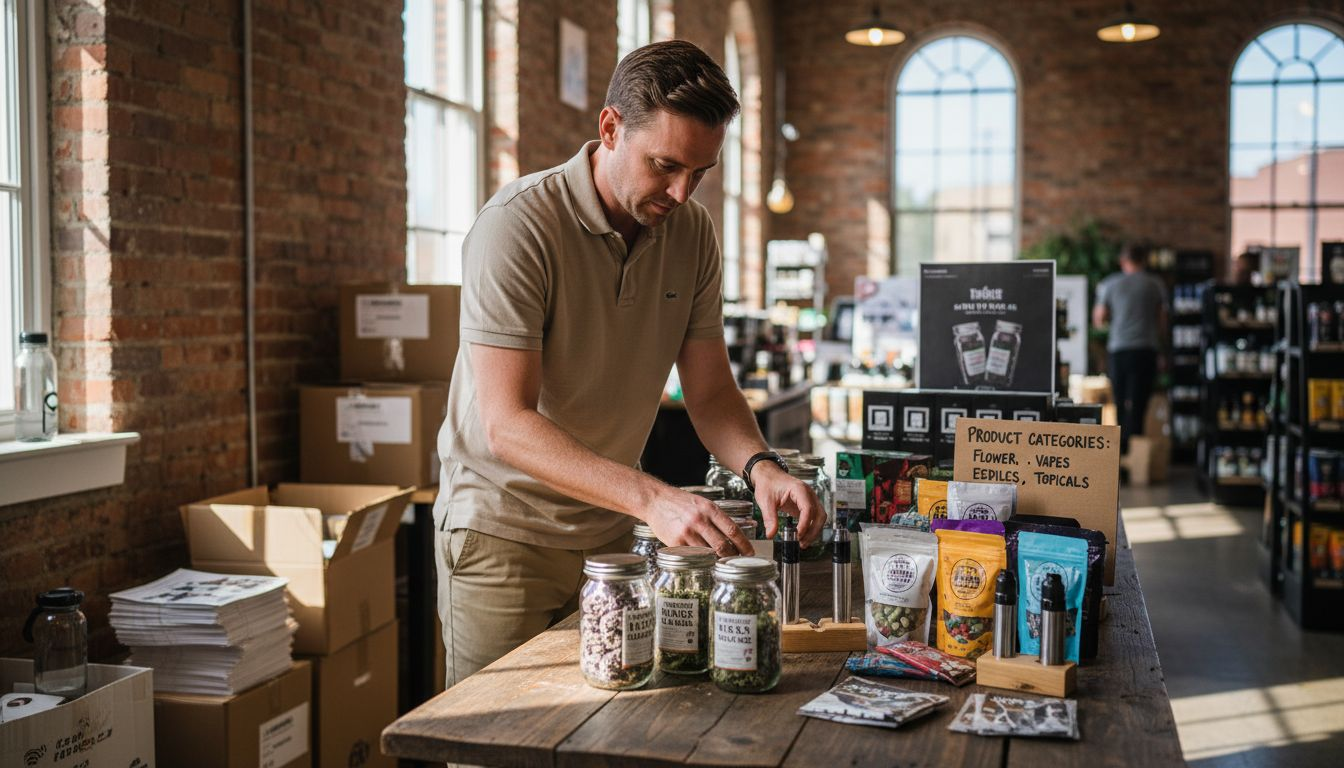
Each product category carries its own identity and appeals to different consumer segments. Flower remains the foundation of cannabis consumption, prized for the full entourage effect where all cannabinoids and terpenes work together. Edibles and beverages deliver longer-lasting effects through digestion, making them ideal for consumers seeking sustained relief or a discreet consumption method. Concentrates provide maximum potency for experienced users or those needing significant symptom management. Vape products offer rapid effects without combustion, attracting health-conscious consumers. Topicals address localized relief for pain, inflammation, or skin conditions without systemic effects. Understanding how cannabis menus organize products helps consumers navigate their options effectively and brands communicate their full range strategically.
Here’s a summary of how major cannabis product categories differ in consumer appeal and experience:
| Product Category | Primary Consumer Segment | Typical Effects | Consumption Advantage |
|---|---|---|---|
| Flower | Traditional and medical users | Full spectrum, entourage | Familiar, versatile |
| Edibles/Beverages | Discreet, long-duration users | Slow onset, prolonged | Discreet, easy dosing |
| Concentrates | Experienced, medical users | High potency, rapid | Potent, immediate relief |
| Vape Products | Health-conscious consumers | Fast onset, clean taste | No combustion, portable |
| Topicals | Wellness and pain management | Localized, non-psychoactive | No intoxication, targeted use |
| Tinctures | Medical and daily users | Controlled, subtle | Precise dosing, flexible |
Brand types themselves vary based on their positioning and target market. Medical focused brands emphasize product consistency, dosing accuracy, and therapeutic benefits supported by detailed cannabinoid testing. Recreational brands prioritize flavor profiles, effects, and lifestyle alignment. Lifestyle brands blend cannabis culture with broader consumer identity, often through apparel, events, and community building. Premium brands distinguish themselves through cultivation methods, transparency in sourcing, and rigorous quality control. The strongest cannabis brands don’t just sell products across categories, they curate experiences that align with their core values and customer expectations.
Here’s a comparison of the major brand positioning types in the cannabis industry:
| Brand Type | Distinctive Focus | Consumer Appeal | Example Feature |
|---|---|---|---|
| Medical | Consistent dosing, lab testing | Patients, caregivers | Lab-verified cannabinoid content |
| Recreational | Flavor, effects, lifestyle | Social, casual users | Variety of strain options |
| Lifestyle | Culture, events, identity | Young, trend-conscious | Branded apparel, experiences |
| Premium | Quality, transparency, sourcing | Discerning consumers | Batch certificates, organic origin |
Pro tip: Explore product categories beyond your typical choice to understand brand diversity, then select a brand that offers the specific products and consumption methods matching your lifestyle and needs.
Key Elements That Distinguish Top Cannabis Brands
What separates a forgettable cannabis purchase from a brand you actively seek out? The answer lies in a handful of core elements that successful brands master. Top cannabis brands build their reputation through strict regulatory compliance, unwavering quality control, and clear brand identity that consumers can trust and recognize. These aren’t optional extras, they’re the foundation. A brand that cuts corners on compliance or quality might succeed temporarily, but North American consumers increasingly demand transparency and accountability. When you choose a premium brand, you’re betting your money and your health on their commitment to these fundamentals.
Quality stands apart as the single most influential factor. Superior quality sourced from premium genetics means everything from seed selection to final packaging reflects excellence. Top brands invest in meticulous manufacturing processes and small-batch craftsmanship that larger, commodified producers skip. This commitment shows up in consistent potency levels, purity standards, and safety protocols that earn consumer trust over time. When a brand maintains rigorous testing and transparent production practices, customers notice the difference. You’ll find detailed certificates of analysis, clear sourcing information, and honest communication about what’s in every product. This transparency eliminates guesswork and builds the confidence you need to make informed choices.
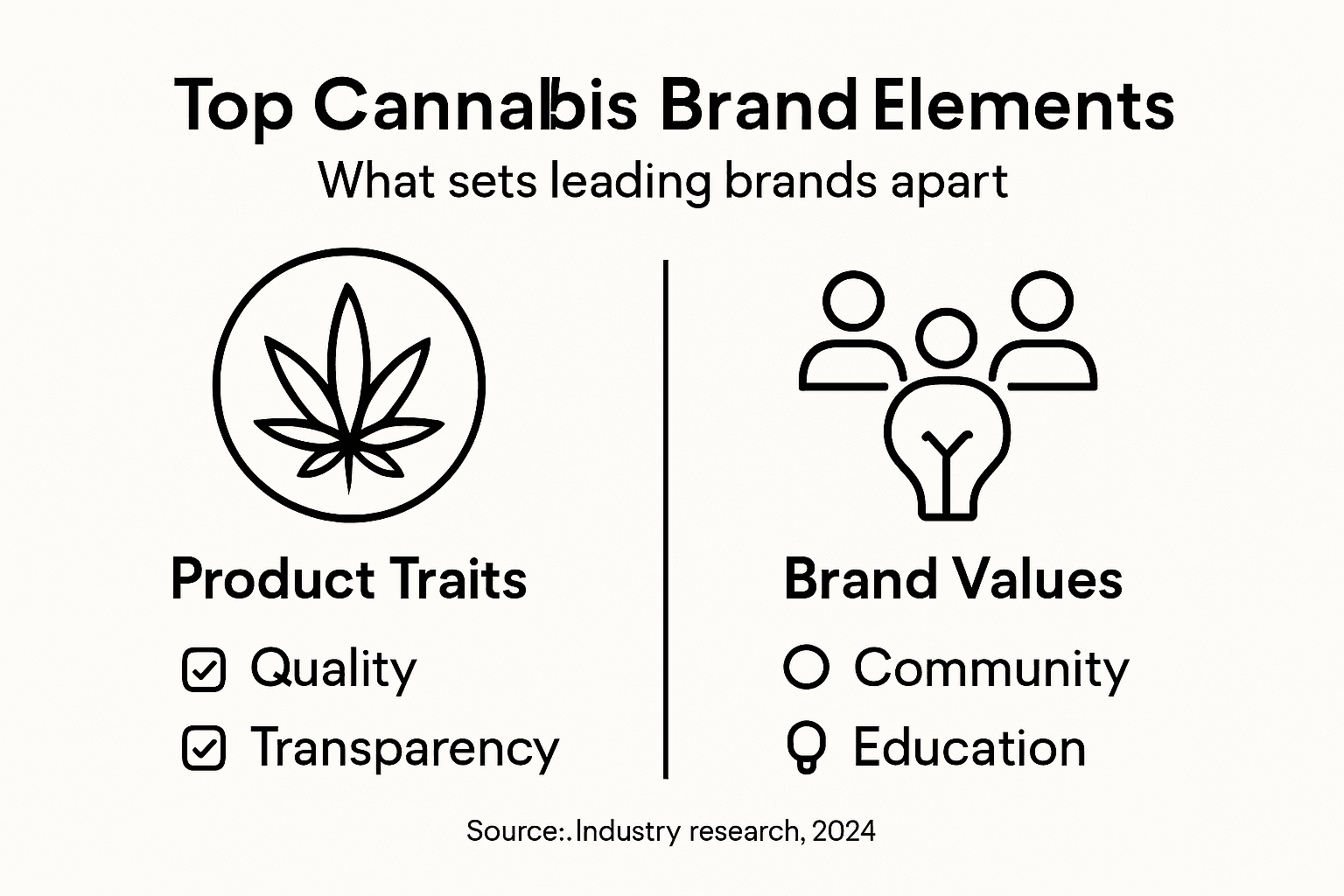
Beyond quality, winning brands connect with customers through education and community engagement. They teach consumers about cannabinoid profiles, consumption methods, and how different strains or products affect individual outcomes. They adapt quickly to market changes, innovate with new product formats, and maintain customer-centric operations that prioritize your experience. A brand that hosts events, shares knowledge through content, or builds a lifestyle around cannabis shows it cares about more than just transaction volume. These brands recognize that cannabis lifestyle identity extends beyond the product itself into how consumers express themselves and connect with others who share their values.
Pro tip: When evaluating a cannabis brand, request their most recent certificates of analysis and compare their testing frequency with competitors, as rigorous, transparent testing is the strongest indicator of genuine quality commitment.
Legal, Compliance, and Marketing Regulations
Cannabis brands operate in one of the most heavily regulated consumer markets in North America. Unlike most industries where marketing rules are relatively straightforward, cannabis brands face a complex web of federal restrictions, state-specific requirements, and evolving enforcement standards that shift regularly. This regulatory environment exists to protect consumers from false claims and ensure product safety, but it also means brands must be extraordinarily careful about every claim they make. A single misleading statement about health benefits or product potency can result in fines, product seizures, or loss of licensing. Serious brands treat compliance not as an obstacle but as a competitive advantage that builds customer trust.
The core compliance challenge centers on avoiding deceptive practices and unsubstantiated health claims. Cannabis brands cannot claim that their products cure, treat, mitigate, or prevent diseases without FDA approval, which is virtually impossible to obtain for cannabis products. You cannot say a strain treats anxiety or a topical heals arthritis, even if anecdotal evidence suggests otherwise. Brands must focus instead on factual information: cannabinoid content, terpene profiles, origin, growing methods, and test results. Beyond product claims, cannabis marketing regulations restrict how brands engage on social media, limit advertising placement, and mandate specific packaging language. These rules vary dramatically between states and provinces, meaning a campaign legal in California might violate Canadian regulations entirely.
Top cannabis brands maintain dedicated compliance teams or consultants who monitor regulatory changes in every jurisdiction where they operate. They implement systems to verify all marketing claims against testing data, they review packaging language before production, and they document everything for potential audits. Transparency becomes a legal requirement and a brand asset. When you see a premium brand displaying detailed certificates of analysis, maintaining clear sourcing information, and refusing to make health claims, you’re witnessing a company that understands compliance as part of its brand identity. Smart consumers notice this discipline and reward it with loyalty.
Pro tip: Before purchasing from any cannabis brand, check if they openly display certificates of analysis and clearly explain what cannabinoids and terpenes their products contain, as this transparency indicates serious regulatory compliance practices.
Why Cannabis Brands Matter for Consumers
Imagine walking into a cannabis retailer without any sense of which products are reliable, which ones actually deliver what they promise, or whether what you’re buying is even safe. That’s the reality for consumers who ignore brands and treat all cannabis as interchangeable. Strong cannabis brands exist to solve this exact problem. They cut through the noise in an increasingly fragmented market by providing consistent quality, transparent information, and reliable effects. When you choose a reputable brand, you’re not paying extra for packaging aesthetics or marketing hype, you’re paying for the assurance that someone trustworthy has verified every claim and tested every batch.
Trust becomes the currency that separates thriving brands from forgotten ones. Cannabis consumers, whether medical patients or recreational users, need to know that the product they’re purchasing will deliver predictable results and contain exactly what the label states. A strong brand builds this trust through consistent quality assurance, regulatory compliance, and transparent communication. Reliable cannabis retail sources prioritize education and honesty, teaching customers about cannabinoid profiles, consumption methods, and realistic expectations. When a brand consistently delivers on its promises, customers return repeatedly and recommend it to others. This loyalty extends beyond simple repeat purchases, it reflects genuine confidence in the brand’s values and commitment to consumer wellbeing.
Brand loyalty in cannabis also reflects deeper alignment with personal values. Consumers increasingly seek brands that match their ethical priorities, whether that’s sustainability in cultivation, equity in the cannabis industry, or community investment. A brand that transparently explains its sourcing, shares its story, and demonstrates genuine commitment to consumers creates emotional connection that goes beyond product quality alone. Online cannabis shopping platforms amplify this dynamic by allowing customers to research brands thoroughly before purchase, reading detailed product information and comparing options without time pressure. This accessibility has transformed cannabis purchasing from an impulsive transaction into a considered decision where brand reputation genuinely matters. In a market where regulatory changes and product variations shift constantly, having a trusted brand to guide your choices isn’t a luxury, it’s an essential consumer protection.
Pro tip: Start by identifying two or three established brands that align with your consumption preferences and values, then track how consistently they deliver quality and transparency before expanding your exploration to new options.
Discover Trusted Cannabis Brands That Align with Your Values and Needs
Navigating the cannabis market can feel overwhelming when quality, transparency, and compliance are uncertain. This article highlights the importance of choosing a cannabis brand that delivers consistent quality, clear Certificates of Analysis, and authentic experiences tailored to your lifestyle. At Avondale Apothecary, we address these challenges head-on by offering a carefully curated selection of premium cannabis products across categories like Pre Rolls and more. Every item comes with comprehensive testing information ensuring you feel confident about what you consume.
Start building your trusted cannabis collection today by exploring our diverse product range and transparent brand stories at Avondale Apothecary. Whether you seek innovative wellness options or familiar favorites, our platform helps you make informed choices with ease. Take control of your cannabis experience now and join a community that values quality, safety, and authenticity. Don’t wait—your ideal cannabis brand is just a click away.
Also check out our Apparel collection to express your cannabis lifestyle proudly.
Frequently Asked Questions
What defines a cannabis brand?
A cannabis brand is the complete collection of experiences, values, and promises that connect a business to its consumers, encompassing visual identity, messaging, values, and personality.
Why is brand consistency important in the cannabis industry?
Consistency in branding builds trust with consumers, ensuring that every touchpoint, from visual design to customer service, reflects the brand’s core values and mission, reinforcing customer loyalty.
How do different cannabis product categories cater to diverse consumer needs?
Different cannabis product categories, such as flower, edibles, concentrates, and topicals, serve distinct consumer preferences by offering varying effects, consumption methods, and duration of action to meet specific needs.
What role does quality play in distinguishing cannabis brands?
Quality is crucial as it influences consumer trust. Top cannabis brands focus on meticulous manufacturing processes and adhere to strict testing protocols, ensuring their products consistently meet high standards for potency and safety.