

Finding premium cannabis that matches high standards for safety and quality can feel challenging. For health-conscious Americans who want transparency in every purchase, shopping from local, regulated sources offers a direct answer. Choosing locally sourced cannabis means engaging with a marketplace built on rigorous testing, strong community ties, and a clear focus on product transparency and safety that unregulated options simply cannot match.
Table of Contents
- What Shopping Local Cannabis Means
- Benefits of Locally Sourced Cannabis
- Transparency and Product Quality Assurance
- Community Impact and Economic Support
- Legal Considerations and State Differences
Key Takeaways
| Point | Details |
|---|---|
| Support Local Economies | Purchasing local cannabis directly supports community growers, processors, and retailers, contributing to job creation and local tax revenue. |
| Ensure Product Safety | Always request a Certificate of Analysis (COA) to verify product potency and safety before making a purchase. |
| Understand Legal Nuances | Cannabis regulations vary significantly by state; consumers should familiarize themselves with local laws to avoid potential legal issues. |
| Prioritize Quality Assurance | Choose products from regulated sources that adhere to strict testing protocols for safety and quality control. |
What Shopping Local Cannabis Means
Shopping local cannabis represents a conscious choice to purchase cannabis products within a carefully regulated, geographically proximate supply chain. This approach goes beyond simple transaction—it’s about supporting community-driven cannabis ecosystems where quality, transparency, and responsible sourcing become paramount. When consumers choose local cannabis providers, they’re engaging with a sophisticated marketplace that prioritizes rigorous safety standards and community economic development.
The concept of local cannabis shopping fundamentally differs from traditional retail experiences. In regulated markets like the Netherlands, local cannabis supply chains operate under strict government guidelines that ensure every product undergoes comprehensive quality control. These systems create a framework where licensed producers, distributors, and retailers collaborate to maintain product integrity while providing consumers with traceable, safe cannabis options.
Local cannabis shopping also carries significant economic and social benefits. By purchasing from nearby licensed dispensaries or coffee shops, consumers directly support local growers, processors, and retailers. This economic model creates jobs, generates local tax revenue, and helps establish a transparent, accountable cannabis market that reduces risks associated with unregulated sales. Moreover, local providers often have deeper connections to their community, offering personalized service and a more nuanced understanding of consumer needs.
Pro tip: When shopping local cannabis, always request a Certificate of Analysis (COA) to verify product potency, purity, and safety standards before making your purchase.
Here’s how local and non-local cannabis supply chains compare:
| Aspect | Local Supply Chain | Non-Local/Unregulated Supply |
|---|---|---|
| Product Traceability | Full seed-to-sale tracking | Often impossible to verify |
| Safety Testing | Mandatory, state-regulated | Usually absent or unverified |
| Economic Impact | Supports local jobs and tax | Benefits remote producers |
| Community Engagement | Personalized local service | Little community connection |
| Environmental Impact | Potential for lower footprint | Higher from long-distance |
Benefits of Locally Sourced Cannabis
Locally sourced cannabis offers a comprehensive array of advantages that extend far beyond simple product acquisition. Medical and recreational cannabis legalization enables consumers to access products with unprecedented transparency, quality control, and safety standards. These locally produced cannabis products represent a fundamental shift from traditional unregulated markets, providing consumers with traceable, consistently potent, and rigorously tested options.
The economic and social benefits of local cannabis sourcing are profound. By supporting nearby licensed producers, consumers directly contribute to sustainable agricultural practices and community economic development. Local cannabis ecosystems create jobs, generate tax revenue, and establish a transparent marketplace that dramatically reduces the risks associated with illegal cannabis distribution. Each purchase becomes an investment in responsible, regulated cannabis production that prioritizes consumer safety and community well-being.
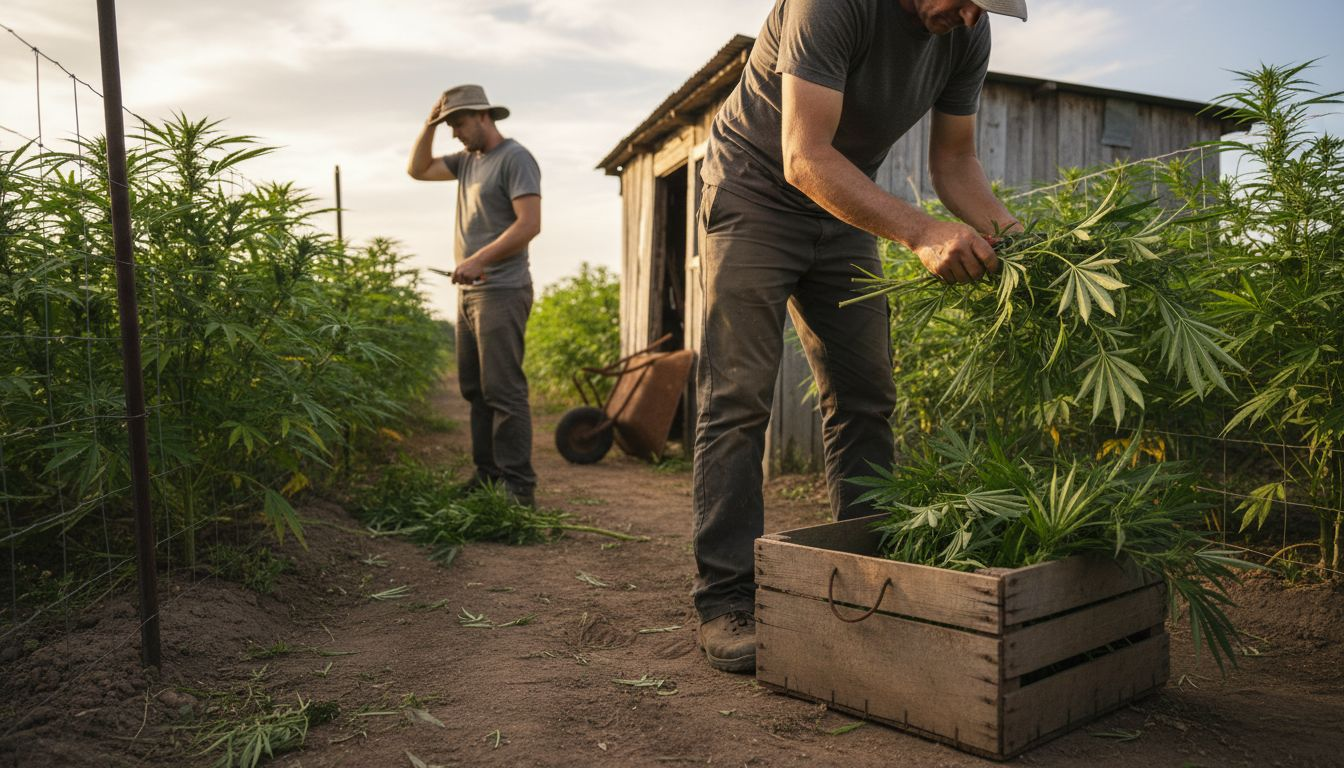
Moreover, local sourcing dramatically enhances product quality and safety. Regulated local producers must adhere to strict testing protocols, ensuring that cannabis products are free from contaminants, accurately labeled for potency, and produced under controlled conditions. This approach significantly reduces health risks and provides consumers with reliable, consistent cannabis experiences. The traceability from seed to sale offers an unprecedented level of accountability that was previously impossible in unregulated markets.
Pro tip: Always request detailed lab testing results and certificates of analysis when purchasing locally sourced cannabis to verify product quality and safety standards.
Transparency and Product Quality Assurance
Product quality assurance represents the cornerstone of responsible cannabis consumption, ensuring consumers receive safe, reliable, and precisely measured cannabis products. Scientific standardization of cannabis quality has become increasingly sophisticated, with international workshops and regulatory bodies developing comprehensive testing protocols that protect consumer health and establish industry-wide credibility.
Modern cannabis quality assurance involves multiple layers of rigorous testing and verification. Producers must implement comprehensive screening processes that examine potency, detect potential contaminants, and validate product purity. These protocols typically include detailed chemical analyses, microbiological testing, and thorough documentation of cultivation and processing methods. By maintaining transparent supply chains, cannabis providers can demonstrate their commitment to consumer safety and product integrity.
The regulatory landscape for cannabis quality assurance continues to evolve, with jurisdictions developing increasingly strict standards for production and distribution. Good Agricultural and Manufacturing Practices (GACP and GMP) have become essential frameworks that guide producers in maintaining consistent, high-quality cannabis products. These standards encompass everything from seed selection and cultivation techniques to processing, packaging, and final product testing, creating a comprehensive approach to ensuring consumer protection and product reliability.
Pro tip: Always request and review the full Certificate of Analysis (COA) for any cannabis product, paying close attention to potency levels, pesticide screenings, and heavy metal test results.
Community Impact and Economic Support
Local cannabis economies represent a transformative force in community development, offering far more than just product sales. Legal local cannabis markets generate substantial economic opportunities, including increased state income, job creation, and significant tax revenue streams that can reinvest directly into community infrastructure and public services.
The cannabis industry has emerged as a powerful catalyst for local entrepreneurship, particularly in regions seeking economic revitalization. Small businesses, cultivation centers, dispensaries, and ancillary service providers create diverse employment opportunities across multiple skill levels. These jobs range from agricultural technicians and laboratory specialists to retail professionals and administrative support, providing economic pathways for workers with varied educational backgrounds and professional experiences.
Beyond direct economic benefits, responsible cannabis markets can drive broader community transformation. Regulated cannabis industries can stimulate property values, attract new businesses, and repurpose previously vacant commercial spaces. By establishing transparent, compliance-driven frameworks, local cannabis ecosystems can simultaneously generate economic value and promote social responsibility. This approach ensures that economic growth is balanced with community well-being, creating sustainable development models that extend beyond traditional industrial approaches.
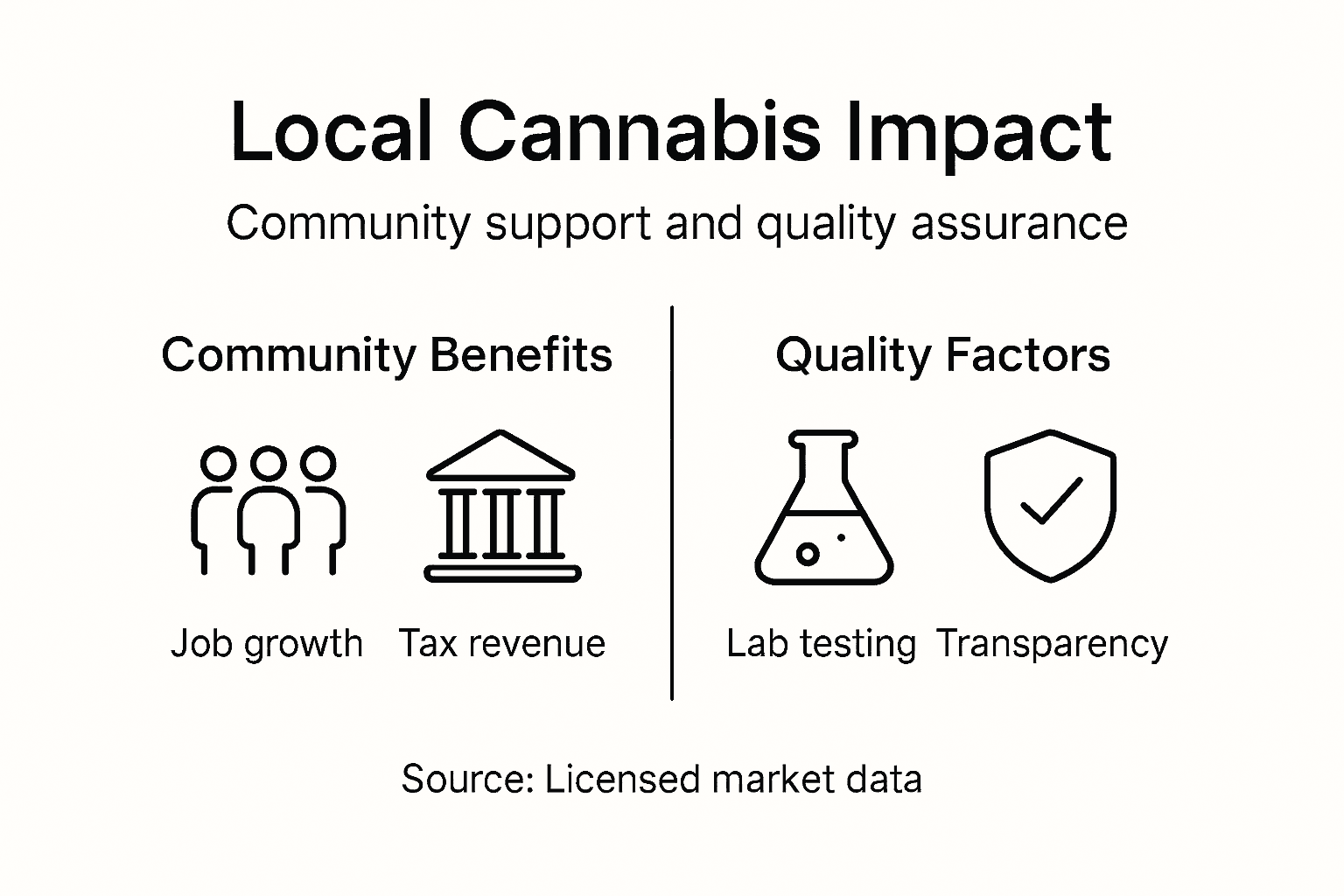
Pro tip: Research local cannabis business development programs and community reinvestment initiatives to understand how cannabis economic activities can directly benefit your neighborhood’s infrastructure and social services.
Legal Considerations and State Differences
Navigating the complex landscape of cannabis legalization requires a nuanced understanding of the intricate legal frameworks across different states. Cannabis legalization policies demonstrate remarkable variability, with each state developing unique regulatory approaches that impact taxation, product restrictions, consumption locations, and overall market structure. This patchwork of regulations creates a challenging environment for consumers and businesses alike, demanding careful research and compliance awareness.
At the federal level, cannabis remains classified as a controlled substance, creating significant legal complexity. While some states have implemented full recreational legalization, others maintain strict medical-only frameworks or complete prohibition. The 2018 Farm Bill introduced additional nuance by distinguishing legal hemp from marijuana based on THC content, further complicating the regulatory landscape. These legal distinctions directly influence product availability, consumer rights, and potential legal risks associated with cannabis possession and consumption.
Consumers must remain vigilant about the specific legal parameters in their jurisdiction. State-level differences extend beyond simple legalization status, encompassing critical aspects such as possession limits, home cultivation permissions, public consumption rules, and medical cannabis qualification criteria. These variations mean that legal practices in one state may constitute serious legal violations in another, underscoring the importance of understanding local regulations before purchasing or consuming cannabis products.
Pro tip: Consult your state’s current cannabis regulations and seek legal guidance to fully understand the specific legal requirements and potential restrictions in your local jurisdiction.
Key differences in cannabis regulations by state:
| Regulation Area | State A (Full Legal) | State B (Medical Only) | State C (Prohibited) |
|---|---|---|---|
| Adult Use | Allowed with age limits | Not permitted | Not permitted |
| Medical Access | Available with ID | Restricted to qualified patients | Not allowed |
| Home Cultivation | Permitted with limits | Frequently restricted | Prohibited |
| Public Consumption | Limited areas allowed | Not allowed | Not allowed |
Discover the True Value of Shopping Local Cannabis with Avondale Apothecary
Choosing local cannabis means prioritizing quality, transparency, and community support. At Avondale Apothecary, we understand the importance of traceable, rigorously tested products that meet your safety and potency expectations. Our curated selection includes premium options like High-Resin Hemp Flower and expertly crafted Pre Rolls, each accompanied by detailed Certificates of Analysis for your peace of mind.
Take control of your cannabis experience by choosing trusted local products delivered through a seamless online platform. Visit Avondale Apothecary today to explore our diverse offerings and support a community-focused cannabis marketplace committed to quality and transparency.
Frequently Asked Questions
What are the benefits of shopping local cannabis?
Shopping local cannabis supports community economic development, creates jobs, and generates local tax revenue. It also ensures product quality and safety through regulated supply chains.
How does local cannabis provide product quality assurance?
Local cannabis producers must adhere to strict testing protocols, ensuring products are free from contaminants and accurately labeled for potency. This enhances consumer safety and product reliability.
Why is product traceability important in cannabis purchasing?
Product traceability allows consumers to know the source of their cannabis, ensuring safety and transparency. Local supply chains offer full seed-to-sale tracking, which is essential for verifying product integrity.
What should I ask for when purchasing local cannabis?
Always request a Certificate of Analysis (COA) to verify product potency, purity, and safety standards. Additionally, seek detailed lab testing results to ensure you are buying high-quality products.