
Finding genuine quality in the crowded cannabis market can feel overwhelming. For those who care about craftsmanship and full transparency, the difference between mass-produced and craft cannabis is more than a label—it is a philosophy. Craft cannabis is rooted in small-batch cultivation, hand-trimming, and organic methods, delivering unique flavors and sensory profiles that set it apart from ordinary options. Discover what makes craft cannabis a trusted favorite among those who value knowledge and exceptional quality.
Table of Contents
- Defining Craft Cannabis And Common Myths
- Small-Batch Production Methods Explained
- Terpene Profiles And Quality Indicators
- Legal Status And Regulatory Factors Worldwide
- Comparing Craft Cannabis To Mass Market Options
Key Takeaways
| Point | Details |
|---|---|
| Craft Cannabis Philosophy | Craft cannabis emphasizes quality, sustainability, and artisanal techniques over mass production methods. |
| Small-Batch Production Benefits | Small-batch cannabis cultivation allows for greater attention to plant health and unique strain characteristics, resulting in a superior product. |
| Importance of Terpenes | Terpene profiles are essential indicators of quality and can influence the overall sensory experience of cannabis products. |
| Regulatory Landscape | Cannabis legalization varies widely by region, impacting access and regulations; always verify local laws before purchasing. |
Defining Craft Cannabis and Common Myths
Craft cannabis represents a sophisticated approach to cannabis cultivation that prioritizes quality over quantity. Unlike mass-produced alternatives, small-batch cannabis cultivation focuses on artisanal techniques that elevate the entire cannabis experience.
At its core, craft cannabis is defined by several distinctive characteristics:
- Meticulous hand-trimming techniques
- Organic growing methods
- Small-batch production
- Emphasis on flavor profiles
- Sustainable farming practices
- Local economic support
Many consumers misunderstand craft cannabis, believing it’s simply a marketing tactic. However, the reality is far more nuanced. Craft cannabis producers are passionate cultivators who treat cannabis production as an art form, carefully selecting genetics, monitoring growth conditions, and prioritizing plant health.
Craft cannabis isn’t just about the product - it’s about a philosophy of quality, sustainability, and respect for the plant.
Popular myths about cannabis often circulate, but scientific research consistently provides evidence-based insights. These myths range from claims about harmlessness to misconceptions about addiction potential. Craft cannabis producers are committed to transparency, challenging these myths through responsible cultivation and education.
Pro tip: When exploring craft cannabis, look for producers who share detailed growing information and provide transparent cultivation practices.
Small-Batch Production Methods Explained
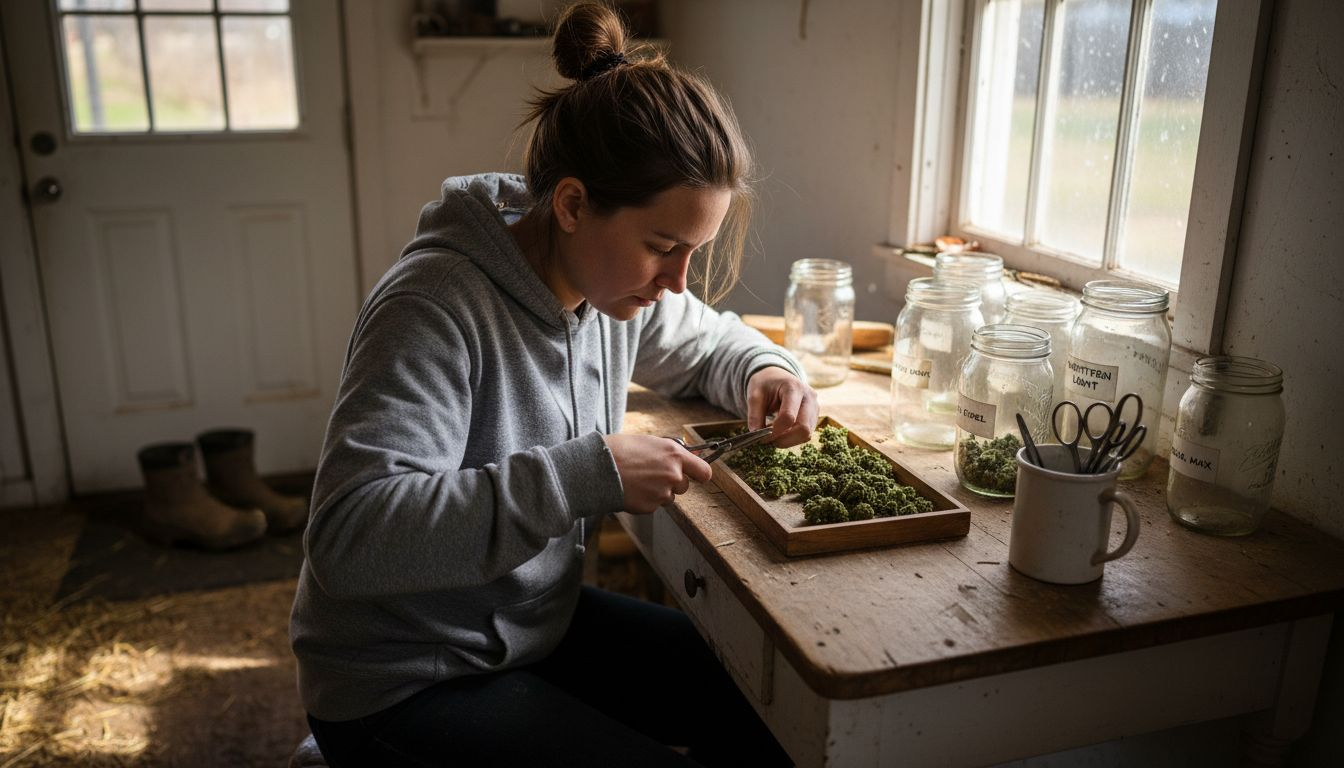
Small-batch cannabis cultivation is a meticulous art form that transforms cannabis production from an industrial process into a carefully crafted experience. Artisanal cultivation techniques prioritize quality and precision over mass production, creating a fundamentally different approach to growing cannabis.
The key components of small-batch production include:
- Hands-on plant management
- Individualized genetic selection
- Precise environmental control
- Manual trimming and processing
- Limited cultivation volumes
- Extensive quality monitoring
Unlike commercial cannabis grows that prioritize quantity, small-scale cultivation methods focus intensely on plant health and genetic potential. Growers carefully monitor each plant’s development, adjusting nutrients, light exposure, and environmental conditions to optimize cannabinoid and terpene profiles.
Small-batch cannabis production is less about volume and more about creating a superior, unique product that reflects the grower’s expertise and passion.
These specialized production methods require significantly more labor and attention compared to industrial grows. Craft cannabis producers invest extensive time in understanding plant genetics, soil composition, and nuanced growing techniques that enhance the plant’s natural characteristics.
Pro tip: Ask craft cannabis producers about their specific cultivation techniques to understand the unique qualities of their small-batch products.
Terpene Profiles and Quality Indicators
Terpene profiles represent the chemical fingerprint that distinguishes exceptional craft cannabis from mass-produced alternatives. Cannabis quality considerations underscore the critical importance of these aromatic compounds in determining a cannabis product’s overall sensory and potential therapeutic experience.
Key terpene quality indicators include:
- Diversity of terpene composition
- Concentration levels of individual terpenes
- Preservation of volatile aromatic compounds
- Consistency across batch production
- Genetic expression of plant strain
- Environmental growing conditions
Craft cannabis producers meticulously manage terpene expression through artisanal cultivation techniques. By carefully controlling environmental factors like light, temperature, and soil composition, these cultivators can significantly influence the plant’s terpene development, creating unique sensory experiences that mass production cannot replicate.
Terpenes are the subtle symphony that transforms cannabis from a simple plant into a complex, nuanced product.
Understanding terpene profiles goes beyond sensory appreciation. These compounds interact with cannabinoids to create what researchers call the ‘entourage effect’, potentially modulating the overall cannabis experience. Different terpene combinations can produce dramatically different results, making them a crucial quality indicator for discerning consumers.
Pro tip: Request detailed terpene analysis reports when purchasing craft cannabis to understand the unique characteristics of your selected strain.
Legal Status and Regulatory Factors Worldwide
Cannabis legalization represents a complex global landscape with significant variations across different jurisdictions. Cannabis policy research reveals a dynamic regulatory environment that continues to evolve, challenging traditional legal frameworks and public perceptions.
Key regulatory considerations include:
- Federal versus state/provincial legal distinctions
- Medical versus recreational use classifications
- THC content restrictions
- Age limitations for purchase and consumption
- Cultivation and distribution licensing requirements
- International import/export regulations
FDA regulatory guidance highlights critical distinctions between hemp and marijuana based on THC concentration. These nuanced legal definitions profoundly impact research, medical applications, and commercial market access, creating a complex regulatory ecosystem that varies dramatically across national boundaries.
Legal cannabis frameworks are not static - they represent an ongoing negotiation between public health, individual rights, and economic considerations.
The international cannabis landscape demonstrates remarkable diversity. Some countries have embraced full legalization, while others maintain strict prohibitionist policies. Emerging regulatory models increasingly focus on harm reduction, public health protection, and creating controlled market environments that balance consumer access with responsible oversight.
Here’s a quick reference for key international cannabis regulatory differences:
| Country/Region | Legal Status | Age Restriction | Recreational vs. Medical |
|---|---|---|---|
| Canada | Legal nationwide | 18 or 19+ by province | Both permitted |
| United States | State dependent | 21+ in legal states | Varies by state |
| Netherlands | Tolerated (coffee shops) | 18+ | Mainly recreational |
| Australia | Restricted | 18+ (medical only) | Primarily medical |
| Germany | Legalized (2024)* | 18+ | Both allowed |
*Note: Germany’s legal framework is in transition, with full details evolving.
Pro tip: Always verify current local regulations before purchasing or consuming cannabis, as legal status can change rapidly.
Comparing Craft Cannabis to Mass Market Options
Craft cannabis represents a fundamentally different approach to cannabis production compared to mass market alternatives. Craft cannabis cultivation techniques emphasize quality, flavor, and artisanal expertise over industrial-scale production methods.
Key differences between craft and mass market cannabis include:
- Scale of production
- Cultivation methodology
- Attention to genetic diversity
- Flavor and terpene complexity
- Environmental sustainability
- Economic impact on local communities
Small-batch production methods transform cannabis cultivation from an industrial process to an art form. Mass market producers typically prioritize volume and consistency, while craft cannabis cultivators focus on preserving unique strain characteristics, optimizing plant health, and creating a superior sensory experience.
Mass production sacrifices nuance, while craft cannabis celebrates the individuality of each plant and its unique genetic potential.
Consumers increasingly recognize the significant differences between craft and mass market cannabis. Mass-produced cannabis often relies on standardized growing techniques that prioritize yield over quality, whereas craft cannabis producers invest extensive time and resources into understanding plant genetics, soil composition, and precise environmental conditions that enhance the plant’s natural characteristics.
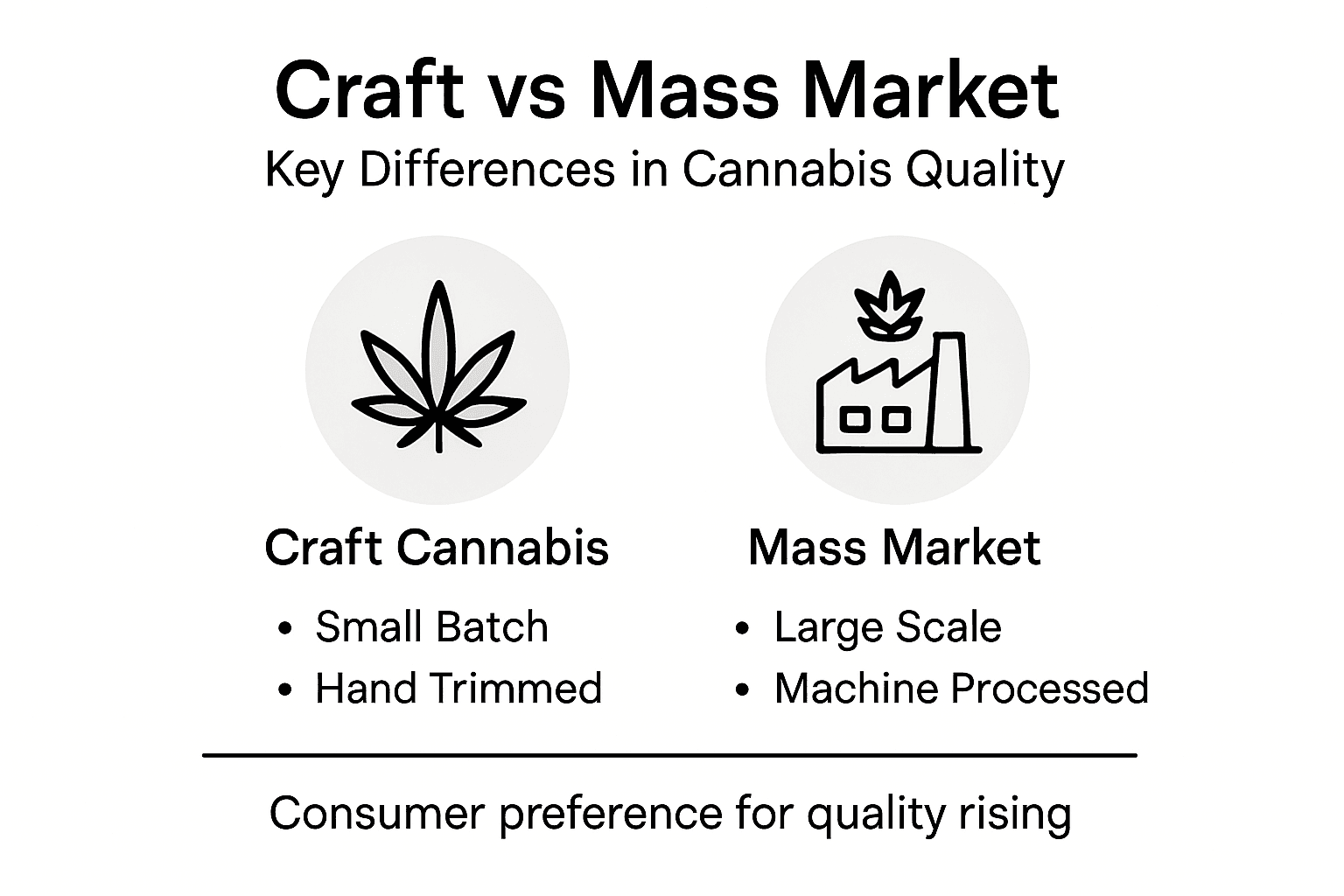
Here’s a concise comparison of craft cannabis and mass market cannabis to highlight how they differ for consumers:
| Aspect | Craft Cannabis | Mass Market Cannabis |
|---|---|---|
| Consumer Appeal | Unique, small-batch selections | Wide, uniform availability |
| Price Point | Typically higher | Usually lower |
| Quality Assurance | Hands-on, batch-specific | Automated, large-scale QA |
| Local Economic Impact | Supports local growers | Profits large corporations |
| Sustainability Focus | Prioritizes eco-friendly methods | Often uses conventional farming |
Pro tip: Always examine detailed product information and terpene profiles to distinguish between craft and mass market cannabis offerings.
Experience Quality Craft Cannabis with Avondale Apothecary
Understanding the true essence of craft cannabis means appreciating the dedication to quality, small-batch production, and rich terpene profiles that make each strain unique. If you value transparency and want to explore cannabis that reflects artisanal techniques and sustainable cultivation, it is important to select products backed by detailed Certificates of Analysis and clear cultivation insights. Avondale Apothecary offers a carefully curated selection that supports these principles and connects you with the highest standards in cannabis.
Discover our exclusive collection of High-Resin Hemp Flower designed for connoisseurs seeking potency and nuanced flavor. Start your journey toward superior cannabis products at Avondale Apothecary today and gain access to detailed product information and transparent quality assurance. Elevate your cannabis experience with choices made for those who truly care about craftsmanship and authenticity.
Frequently Asked Questions
What is craft cannabis?
Craft cannabis refers to small-batch cannabis cultivation that prioritizes quality, flavor, and artisanal techniques over mass production. It focuses on meticulous plant care, organic growing methods, and sustainable practices.
Why is the quality of craft cannabis important?
Quality matters because craft cannabis producers emphasize unique genetic strains, meticulous cultivation methods, and terpene profiles that enhance the overall sensory and potential therapeutic experience, setting it apart from mass-market cannabis.
What are the key differences between craft cannabis and mass market cannabis?
Craft cannabis is characterized by small-scale production, individual plant management, and an emphasis on unique flavor profiles. In contrast, mass market cannabis often prioritizes volume, consistency, and automation, leading to a less nuanced product.
How do terpenes affect the experience of using cannabis?
Terpenes are aromatic compounds that contribute to the flavor and aroma of cannabis. They interact with cannabinoids to create the ‘entourage effect,’ which can modulate the overall effects and experiences derived from cannabis consumption.