
Choosing premium cannabis flower goes beyond just flavor or potency. For American and Canadian consumers who care about safety and quality, understanding how lab testing works is crucial. The process involves analyzing cannabinoids, pesticides, heavy metals, and microbial contaminants with precise laboratory methods. Reviewing detailed Certificates of Analysis gives you the power to buy with confidence, knowing your product meets strict safety standards and matches what the packaging claims.
Table of Contents
- What Is Cannabis Flower Testing?
- Types Of Flower Tests And What They Measure
- Industry Standards And State Regulations
- Reading Certificates Of Analysis (Coas)
- Risks Of Untested Cannabis Products
Key Takeaways
| Point | Details |
|---|---|
| Importance of Testing | Cannabis flower testing ensures safety and accurate labeling by identifying cannabinoids and contaminants. Consumers can avoid harmful substances through verified lab results. |
| Understand COAs | Certificates of Analysis provide essential information about cannabinoid levels and contamination status. Always check the COA before purchasing to ensure product safety. |
| Regulatory Differences | Cannabis testing requirements vary significantly by state and country. Awareness of local regulations impacts consumer safety and product quality. |
| Risks of Untested Products | Untested cannabis can expose consumers to harmful contaminants and inaccurate potency claims, leading to health risks and negative experiences. Buying from reputable, tested sources is essential for safety. |
What Is Cannabis Flower Testing?
Cannabis flower testing is the systematic scientific process of identifying and analyzing the chemical compounds, contaminants, and quality attributes present in cannabis buds. Rather than a single simple test, it’s a collection of validated laboratory methods designed to measure what’s actually in your flower and ensure it’s safe to consume. Think of it like getting a full health report for your cannabis product. The testing identifies cannabinoids like THC and CBD, detects pesticides and heavy metals, confirms microbial safety, and verifies that what you’re buying matches what the label claims. These aren’t guesses or rough estimates. They’re precise, quantified measurements performed by accredited laboratories using equipment and procedures that meet established scientific standards.
Why does this matter for you as a consumer? The variability in growing conditions across different cultivators means that two flowers labeled as the same strain can have dramatically different potency, terpene profiles, and contamination levels. A grower in one region using different water sources, soil compositions, or pest management techniques produces a completely different product than another cultivator down the road. Without standardized testing, you’re essentially buying blind. Quality standards for cannabis flower address this variability by establishing science-based protocols that measure identity, purity, and the presence of harmful substances like pesticides, heavy metals, and microbial contaminants. These protocols ensure that every batch meets consistent safety benchmarks regardless of where it was grown.
At Avondale Apothecary, we provide detailed Certificates of Analysis (COAs) for our flower products, giving you transparent access to the actual lab results. This means you’re not relying on packaging claims or marketing language. You can see the exact THC percentage, the full cannabinoid profile, terpene data, and confirmation that the product has passed safety screenings. When you understand what cannabis flower testing actually measures and why it matters, you gain the power to make purchasing decisions based on real data rather than guesswork. You know exactly what you’re getting before it arrives at your door.
Pro tip: Always request or review the Certificate of Analysis before purchasing flower, and cross-reference the test date to ensure results are current and relevant to the specific batch you’re considering.
Types of Flower Tests and What They Measure
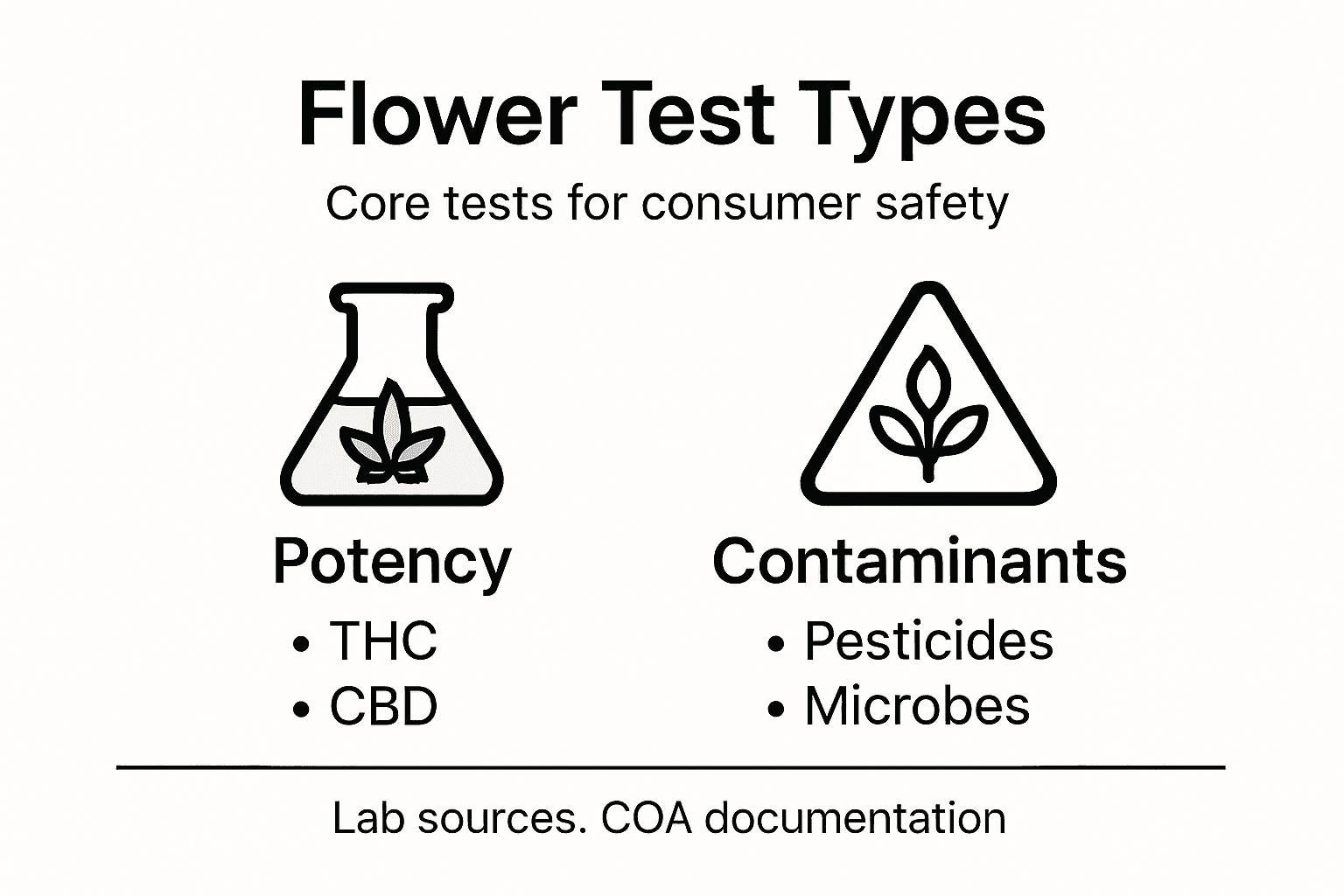
Cannabis flower undergoes several distinct laboratory tests, each designed to measure specific aspects of the product. Understanding these test categories helps you read and interpret lab results with confidence. The main test types fall into potency analysis, contaminant screening, and physical quality measurements. Potency testing quantifies the levels of THC, CBD, and other cannabinoids present in your flower. Laboratories use advanced analytical techniques like chromatography and mass spectrometry to measure these compounds with precision, giving you exact percentages rather than estimates. A flower labeled as 22% THC has been tested and verified to contain that specific amount. This matters because potency directly affects your experience and dosing decisions.
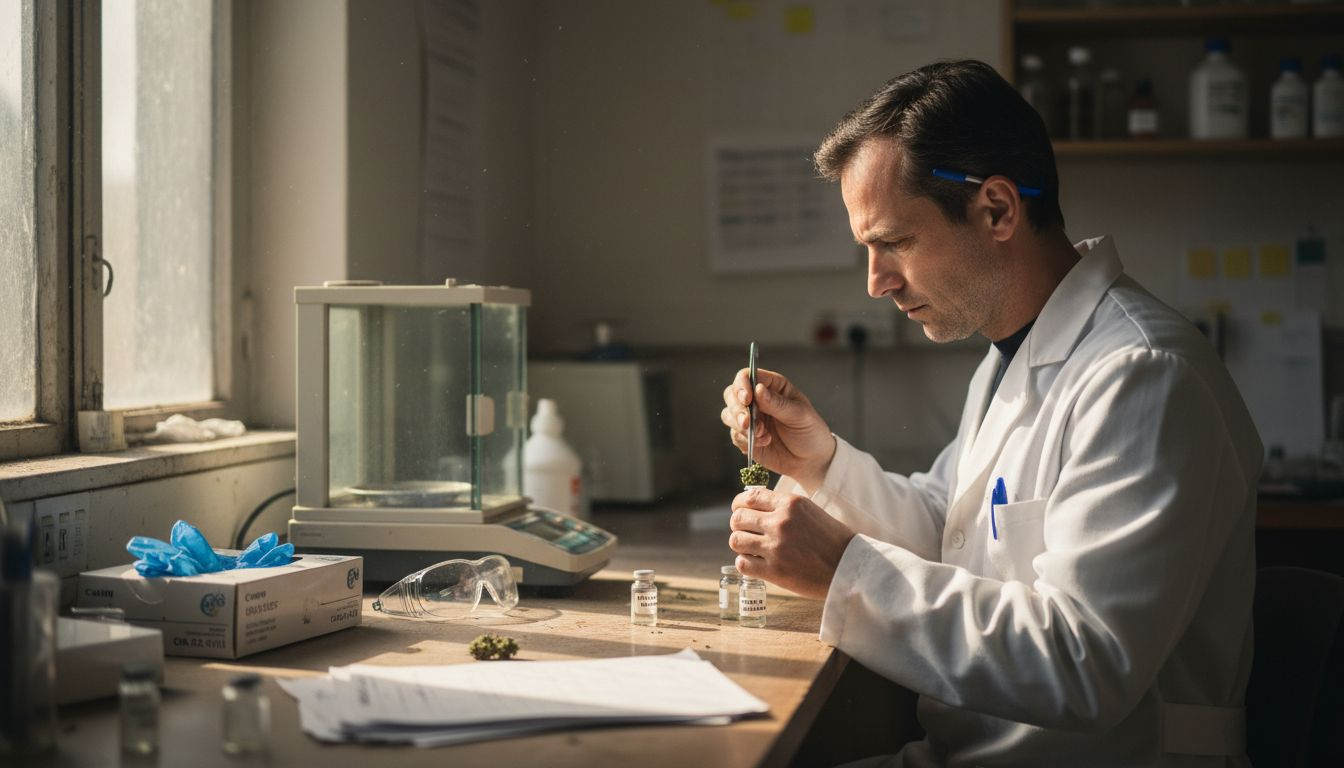
Beyond potency, contaminant testing protects your safety. This includes pesticide residue screening to detect harmful chemicals used in cultivation, heavy metals analysis to identify toxic substances that may have accumulated in the soil or growing medium, and microbial contamination testing to ensure the flower is free from dangerous bacteria, mold, and fungi. Moisture content analysis is another critical measurement that affects how the flower burns, tastes, and stores. Flower that contains too much moisture can develop mold, while flower that’s too dry loses flavor and aroma. Residual solvent testing applies primarily to concentrates but sometimes extends to flower, ensuring no harmful solvents remain from extraction or processing methods. When you examine a Certificate of Analysis from Avondale Apothecary, you’ll see results from multiple test categories because comprehensive quality assurance requires this layered approach.
The combination of these tests creates a complete picture of your flower’s composition and safety profile. Rather than relying on what a package claims or what a budtender tells you, actual laboratory data gives you objective information to compare products. A flower that passes pesticide screening, microbial testing, and moisture content checks alongside strong cannabinoid profiles represents the gold standard in consumer protection. When reviewing lab results, pay attention not just to THC percentage but also to the full cannabinoid spectrum, contaminant clearance, and test dates. Older results may not reflect current conditions if the flower has been stored improperly.
Pro tip: Compare the terpene profiles listed on test results from different batches of the same strain, as this variation often explains differences in smell, flavor, and effect even when THC percentages appear identical.
Here’s a summary of major cannabis flower testing types and why each matters:
| Test Type | What It Measures | Consumer Benefit |
|---|---|---|
| Potency Analysis | THC, CBD, minor cannabinoids | Accurate dosing information |
| Terpene Profiling | Aroma and flavor compounds | Predicts effects and flavors |
| Pesticide Screening | Residual cultivation chemicals | Safer consumption |
| Heavy Metals Test | Toxic metals from soil or water | Reduced long-term health risk |
| Microbial Screening | Bacteria, mold, and fungi | Protects against infection |
| Moisture Content | Water percentage in flower | Ensures product quality |
| Residual Solvent | Cleansers or extraction solvents | Prevents chemical exposure |
Industry Standards and State Regulations
Cannabis flower testing doesn’t operate in a vacuum. It’s governed by a patchwork of state regulations and industry standards that vary significantly depending on where you live and purchase your products. North America has no single federal cannabis testing standard, which means each state has developed its own regulatory framework. Some states mandate comprehensive testing for potency, pesticides, heavy metals, and microbial contaminants, while others have more lenient requirements. The National Conference of State Legislatures maintains a comprehensive database documenting enacted cannabis legislation across the country, showing exactly what testing requirements apply in each jurisdiction. If you’re buying flower in Colorado, you’re operating under different testing standards than someone purchasing in California or Canada. This variation means that a product passing tests in one state might not meet requirements in another.
While state regulations set minimum requirements, the cannabis industry has also developed voluntary consensus standards to ensure consistency and quality beyond legal minimums. ASTM International’s Committee D37 has created voluntary standards for cannabis testing methodologies that laboratories and producers adopt to align with best practices. These standards cover everything from how samples are collected and stored to which testing methods are acceptable for different analyses. Think of it like this: state regulations are the floor, establishing what’s legally required, while industry standards represent best practices that go beyond legal requirements. Many premium flower producers and retailers use ASTM standards even in states where they’re not legally mandated, because these standards demonstrate a commitment to quality and consumer safety. Avondale Apothecary sources products from cultivators and suppliers who prioritize these standards because they correlate directly with product quality and consumer trust.
Understanding the regulatory landscape where you purchase matters for your purchasing decisions. A Certificate of Analysis from a reputable laboratory operating under state regulations and industry standards provides far more meaningful information than vague marketing claims. When you see testing performed by accredited labs in regulated states, you know that the facility is regularly inspected, uses validated testing methods, and maintains quality control procedures. As regulations continue evolving, testing standards become stricter and more comprehensive, which ultimately protects you as a consumer. The trend across North America shows movement toward more rigorous testing requirements, not fewer, which means future flower products will undergo even more thorough evaluation than today’s standards require.
Pro tip: When purchasing flower online or in person, check which state or province the testing was performed in and verify that the testing facility is licensed and accredited in that jurisdiction, as this confirmation indicates compliance with established regulatory standards.
Reading Certificates of Analysis (COAs)
A Certificate of Analysis is your window into what’s actually in the flower you’re considering buying. Official laboratory reports detailing test results include specific measurements for cannabinoids, contaminants, moisture content, and microbial safety. Every legitimate flower product sold through Avondale Apothecary comes with a COA that shows you exactly what the lab found when they analyzed that particular batch. The document isn’t just marketing fluff. It’s a formal certification signed by authorized laboratory personnel confirming that your flower meets predetermined safety and quality specifications. When you look at a COA, you’re seeing the actual data that informed our purchasing decisions. Understanding how to read this document transforms you from a passive consumer into someone making informed choices based on real information.
A typical COA contains several key sections you should examine. The sample identification area tells you which product batch was tested and when the testing occurred. Always check this date because flower degrades over time, and a COA from six months ago may not reflect current product conditions. The cannabinoid profile section breaks down THC, CBD, and other cannabinoids by percentage. This is where you verify potency claims. If packaging says 20% THC, the COA should confirm approximately that amount. Look beyond just THC though. The full cannabinoid profile including minor cannabinoids like CBG or CBC often contributes to the overall effect. The contaminant screening results show pass or fail status for pesticides, heavy metals, and microbial organisms like E. coli and mold. A passing result means the flower is safe to consume. The moisture content reading typically falls between 5 and 15 percent for properly cured flower. Moisture outside this range indicates storage issues. When interpreting THC levels and cannabinoid data, remember that percentages represent the concentration in that specific batch, and slight variations between batches of the same strain are completely normal.
Using COAs to compare products gives you concrete advantages when shopping. You can directly compare two strains by looking at their full cannabinoid profiles rather than relying on strain names or marketing descriptions. You can verify that flower you’re repurchasing maintains consistent quality across different purchases. You can identify which products have passed rigorous contaminant testing if you’re particularly concerned about pesticides or heavy metals. Most importantly, you can feel confident in your purchase because you’ve reviewed actual laboratory data rather than trusting packaging claims. The COA represents transparency and accountability. When a retailer provides detailed COAs and encourages customers to review them, that retailer is demonstrating confidence in their products and respect for your decision-making process.
Pro tip: Always cross-reference the testing laboratory name on the COA with your state’s list of accredited labs to verify the facility is legitimate and meets regulatory standards for the jurisdiction where the flower was grown.
Risks of Untested Cannabis Products
Buying untested cannabis flower is gambling with your health. Without laboratory verification, you have absolutely no way to know what you’re actually consuming. Untested products can contain harmful contaminants including pesticides, heavy metals, and mold that pose serious health risks ranging from mild respiratory irritation to severe poisoning. These aren’t theoretical concerns. Real consumers have experienced acute illnesses from contaminated flower purchased through unregulated channels. Heavy metals like cadmium and lead accumulate in your body over time, potentially causing neurological damage or organ dysfunction. Mold contamination can trigger allergic reactions or respiratory infections, particularly in people with compromised immune systems, asthma, or other lung conditions. Pesticides sprayed during cultivation often remain on the flower even after drying and curing. When you smoke or consume contaminated flower, you’re directly inhaling or ingesting these toxins. The problem compounds because you won’t know contamination exists until symptoms develop. By then, the damage is already done.
Untested products also create unpredictability that impacts your safety and experience. Without laboratory analysis, manufacturers can claim literally any potency they want with zero accountability. Products claiming specific cannabinoid levels without testing may have wildly different actual potency, leading to unexpected and potentially dangerous effects. Someone buying what they believe is a mild 12% THC strain might actually be consuming 25% THC flower. The psychological and physical effects of that unexpected potency difference can be significant. You might experience anxiety, panic, paranoia, or increased heart rate that catches you completely off guard. For new consumers or those sensitive to THC, this unpredictability is particularly dangerous. Even experienced users benefit from knowing exact potency levels to dose appropriately. Untested products eliminate that control entirely. You’re essentially conducting an uncontrolled experiment on yourself every time you purchase from an unverified source.
Choosing tested flower from legitimate retailers like Avondale Apothecary eliminates these risks entirely. When you purchase from legal cannabis retail sources with comprehensive testing protocols, you gain access to verified laboratory data documenting exactly what’s in your product. You know potency levels, cannabinoid profiles, and contaminant test results. You know the flower has been tested by accredited laboratories operating under regulatory oversight. You’re not just protecting your physical health. You’re also supporting legitimate businesses that invest in quality control and consumer safety. The small premium you pay for tested flower buys you peace of mind that your purchase won’t harm you. That’s not luxury. That’s basic health insurance.
Pro tip: If a retailer cannot or will not provide a Certificate of Analysis for their flower products, that’s your signal to shop elsewhere, regardless of price or strain selection.
This table details risks between tested and untested cannabis flower products:
| Category | Tested Cannabis Flower | Untested Cannabis Flower |
|---|---|---|
| Health Safety | Screened for contaminants | Unknown contamination risk |
| Potency Accuracy | Verified lab percentages | No verified cannabinoid content |
| Regulatory Compliance | Meets state/industry standards | May violate safety and legal rules |
| Consumer Confidence | Transparent lab reports | Zero assurance or accountability |
Ensure Your Cannabis Is Tested for Quality and Safety
The article highlights the critical challenge of navigating the cannabis market without knowing what is truly in your flower. Uncertainty about contaminants like pesticides, heavy metals, and microbial risks can harm your health and dilute your cannabis experience. At the same time, accurate potency and terpene profiles are essential for informed dosing and enjoying the effects you seek. Avoid the guesswork inherent with untested products by choosing cannabis that has undergone rigorous laboratory testing and comes with transparent Certificates of Analysis.
Discover peace of mind with Avondale Apothecary’s curated selection of premium cannabis flower, including our High-Resin Hemp Flower offerings.
Shop confidently on Avondale Apothecary where every batch includes detailed lab reports verifying potency, purity, and safety. Take control of your cannabis journey today by exploring our fully tested flower collection. Start now and experience quality you can trust.
Frequently Asked Questions
What is cannabis flower testing?
Cannabis flower testing is a scientific process that identifies and analyzes the chemical compounds, contaminants, and quality attributes in cannabis buds, ensuring they are safe to consume.
Why is a Certificate of Analysis (COA) important?
A COA provides transparent access to lab results, including exact THC percentages, cannabinoid profiles, and confirmation that the product has passed safety screenings, allowing consumers to make informed purchasing decisions.
What types of tests are included in cannabis flower testing?
Testing typically includes potency analysis for cannabinoids, contaminant screening for pesticides and heavy metals, microbial testing, moisture content analysis, and sometimes residual solvent testing.
What risks are associated with untested cannabis products?
Untested cannabis products may contain harmful contaminants, inaccurate potency claims, and pose health risks, including respiratory issues or poisoning, as consumers have no way to verify what they are actually consuming.