
Vaping cannabis can slash harmful toxin exposure by up to 95% compared to smoking, yet many consumers remain unaware of the dramatic safety differences between consumption methods. Understanding these distinctions is critical for protecting your health while enjoying recreational or medical benefits. This guide cuts through confusion about smoking risks, vaping safety, edible dosing challenges, and product quality verification, empowering you to make informed choices that enhance your cannabis experience without compromising wellbeing.
Table of Contents
- Introduction To Safe Cannabis Consumption
- Health Risks Associated With Smoking Cannabis
- Vaping Cannabis: Benefits And Safety Concerns
- Edibles And Oral Cannabis: Onset, Dosage, And Safety
- Quality Assurance: Understanding Certificates Of Analysis (Coas)
- Common Misconceptions About Cannabis Consumption Safety
- Making Informed Choices: Practical Steps For Safer Consumption
- Explore Safer Cannabis Products And Expert Guidance At Avondale Apothecary
- Frequently Asked Questions
Key takeaways
| Point | Details |
|---|---|
| Vaping reduces toxins | Heating cannabis below combustion releases 80-95% fewer harmful toxins compared to smoking. |
| Smoking irritates lungs | Cannabis smoke causes bronchitis symptoms but does not appear to increase lung cancer risk like tobacco. |
| Edibles need precision | Doses above 10 mg THC per serving increase adverse effects; standardized dosing reduces incidents by 40%. |
| COAs verify safety | Certificates of Analysis confirm cannabinoid potency and screen for contaminants in regulated products. |
| Non-combustion wins | Choosing tinctures, edibles, or regulated vapes with verified testing improves safety outcomes. |
Introduction to safe cannabis consumption
Cannabis consumption methods vary dramatically in their health impact, making informed choices essential for safe use. Understanding the differences between smoking, vaping, edibles, and tinctures helps you select options that align with your health priorities and experience goals.
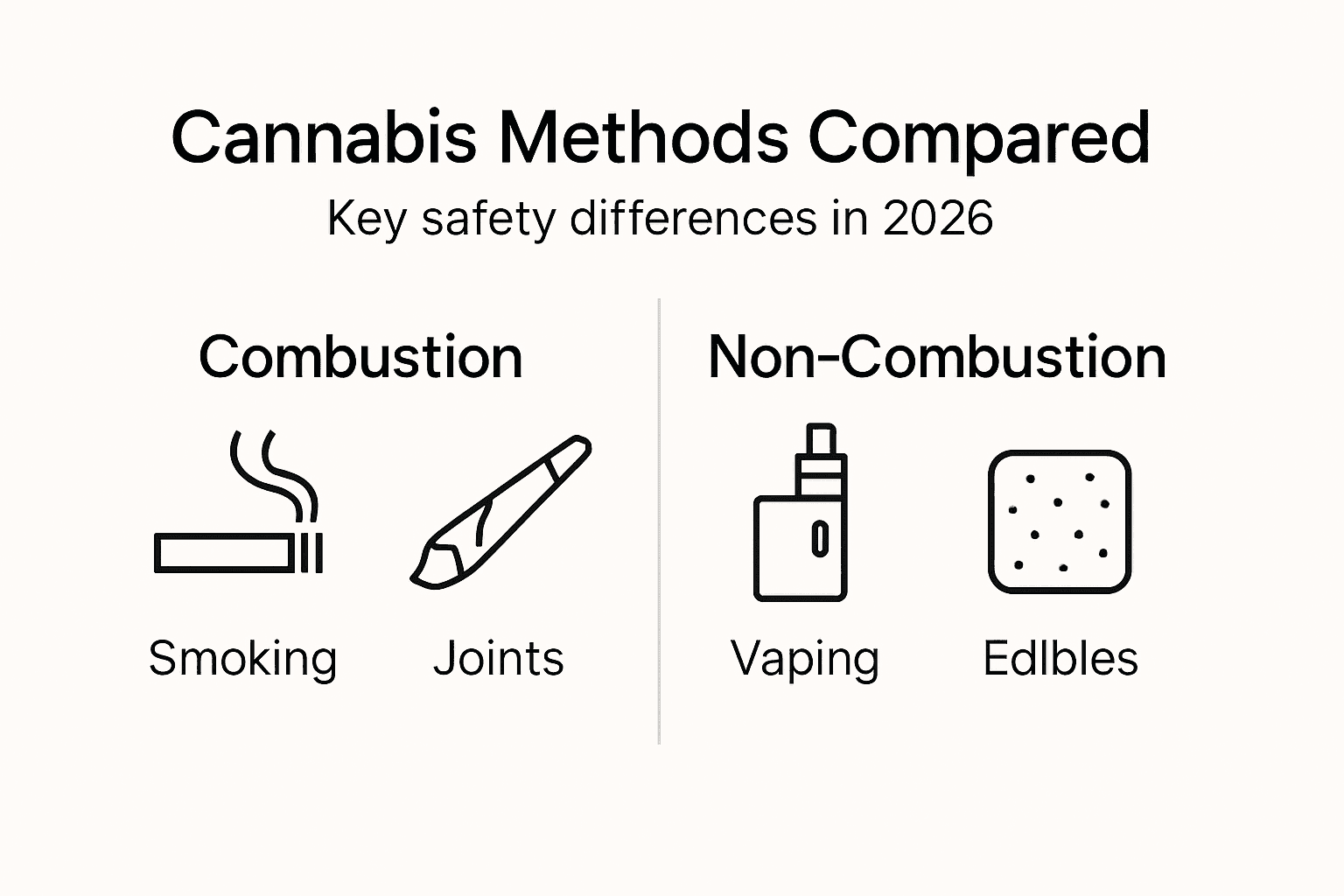
The primary safety distinction lies between combustion and non-combustion methods. Combustion methods like smoking produce harmful byproducts through burning plant material. Non-combustion approaches including vaping, edibles, tinctures, and topicals avoid these toxins entirely or significantly reduce exposure.
Recreational and medical users alike benefit from understanding these fundamental differences. Your consumption route affects onset time, duration, dosage precision, and health risks.
Common cannabis consumption methods include:
- Smoking joints, pipes, or bongs through combustion
- Vaping with dry herb or oil cartridge devices
- Consuming edibles like gummies, chocolates, or beverages
- Using tinctures or oils sublingually or in food
- Applying topicals directly to skin for localized effects
Each method presents unique safety considerations. Smoking delivers fast onset but maximum respiratory exposure. Vaping reduces toxins but requires product quality vigilance. Edibles eliminate lung risks but complicate dosing. Tinctures offer precise control with minimal health concerns.
The sections ahead examine specific risks and benefits for each method, equipping you with practical knowledge to minimize harm while maximizing your cannabis experience.
Health risks associated with smoking cannabis
Smoking remains the most common consumption method despite presenting the highest respiratory risks. Combustion generates temperatures exceeding 800°F, breaking down cannabinoids and plant matter into smoke containing numerous harmful compounds.

Combustion releases over 80 known carcinogens and toxins increasing bronchitis symptoms, creating respiratory irritation similar to tobacco smoke exposure. Regular smokers often experience chronic cough, phlegm production, and airway inflammation. These symptoms typically improve within weeks of stopping smoking.
Interestingly, cannabis smoking does not appear to increase lung cancer risk as tobacco does, according to systematic reviews and meta-analyses. This distinction likely stems from cannabis’s anti-inflammatory properties and different usage patterns compared to cigarette smoking. However, absence of cancer risk does not eliminate other respiratory harms.
Key smoking risks include:
- Chronic bronchitis from repeated airway irritation
- Reduced lung function with heavy long-term use
- Exposure to tar and carbon monoxide
- Potential for respiratory infections
- Throat and mouth irritation
“While cannabis smoke contains many of the same toxins as tobacco smoke, epidemiological studies have not found the same clear link to lung cancer. However, respiratory symptoms and bronchitis remain legitimate concerns for regular smokers.”
Understanding these risks helps contextualize why health-conscious consumers increasingly explore health effects of cannabis and cannabinoids through alternative consumption routes. The evidence clearly shows smoking as the highest-risk inhalation method, making it the least desirable option for those prioritizing respiratory health.
For users who prefer inhalation’s rapid onset, vaping offers a compelling harm reduction alternative worth serious consideration.
Vaping cannabis: benefits and safety concerns
Vaping technology heats cannabis to temperatures between 315-440°F, releasing cannabinoids and terpenes as vapor without triggering combustion. This temperature control dramatically reduces harmful byproduct formation while preserving therapeutic compounds.
Heating cannabis below combustion releases 80-95% fewer harmful toxins compared to smoking, making vaping significantly safer for your lungs. Users report cleaner flavor profiles and more efficient cannabinoid extraction, often using less product for equivalent effects.
However, vaping safety depends critically on product quality and source. The 2019 EVALI outbreak highlighted devastating consequences of illicit vape cartridges. The outbreak caused over 2,800 hospitalizations and 68 deaths linked mainly to vitamin E acetate and other additives in black market products.
Regulated vape products undergo rigorous testing and exclude dangerous cutting agents. Choosing licensed retailers and verified brands virtually eliminates EVALI risk while preserving vaping’s harm reduction benefits.
Vaping advantages include:
- Rapid onset similar to smoking (2-10 minutes)
- Precise temperature control for optimal cannabinoid release
- Reduced odor and discretion compared to smoking
- Better flavor preservation and terpene profiles
- Significantly lower respiratory irritation
Pro Tip: Always verify your vape products include accessible Certificates of Analysis and purchase only from licensed dispensaries. Avoid any cartridges from unknown sources or social media sellers, regardless of price savings.
EVALI Cases by Product Source (2019 Outbreak)
82% of hospitalizations involved THC-containing products from illicit sources, while only 12% involved exclusively legal market purchases.
Proper safe vape device usage includes maintaining clean equipment, following manufacturer temperature guidelines, and replacing cartridges or pods as recommended. These practices maximize safety while delivering vaping’s substantial harm reduction compared to combustion methods.
Edibles and oral cannabis: onset, dosage, and safety
Edibles process through your digestive system and liver, creating fundamentally different effects compared to inhalation methods. This metabolic pathway produces 11-hydroxy-THC, a more potent compound than the delta-9-THC from smoking or vaping.
The delayed onset creates edibles’ biggest safety challenge. Effects typically begin 30-90 minutes after consumption, with peak intensity at 2-4 hours. Many adverse experiences stem from users consuming additional doses before initial effects manifest, leading to unintentional overdose.
Doses above 10 mg THC per serving increase adverse effects, with standardized dosing reducing incidents by 40% in regulated markets. Psychological distress, anxiety, paranoia, and impaired coordination become more likely at higher doses, particularly for inexperienced users.
Homemade edibles pose particular risks due to uneven cannabinoid distribution and dosing guesswork. Commercial products from licensed manufacturers provide consistent, labeled potency for safer consumption.
Safe edible consumption follows these steps:
- Start with 2.5-5 mg THC for first-time users or low tolerance individuals
- Wait at least 2 hours before considering additional consumption
- Consume edibles with food to moderate absorption speed
- Read product labels carefully for total THC content per package versus per serving
- Store edibles securely away from children and pets in original packaging
Pro Tip: Keep a consumption journal noting dose amount, timing, and effects. This personal data helps you identify your optimal dosage range and avoid unpleasant experiences from excessive intake.
Regulated edibles provide precise dosing that minimizes adverse event risk when consumed responsibly. Understanding cannabis edibles safety tips empowers you to enjoy edibles’ unique benefits without the respiratory concerns of inhalation methods.
Quality assurance: understanding certificates of analysis (COAs)
Certificates of Analysis represent the cornerstone of product safety verification in regulated cannabis markets. These third-party lab reports provide objective data about what you’re actually consuming, removing guesswork and manufacturer claims from the equation.
COAs document multiple critical safety and quality parameters. Cannabinoid potency testing confirms THC and CBD levels match label claims, ensuring accurate dosing. Terpene profiles identify aromatic compounds contributing to effects and flavor. Contaminant screening detects pesticides, heavy metals, residual solvents, microbial growth, and mycotoxins.
Regulated markets require comprehensive testing before products reach shelves. This mandatory quality control dramatically reduces consumer exposure to harmful substances compared to unregulated or illicit products. States with mature cannabis programs report significantly fewer adverse events related to contamination.
Unregulated products skip these safeguards entirely, creating unpredictable risks. You might consume unknown pesticide residues, dangerous mold, or incorrect cannabinoid levels that undermine therapeutic goals or cause unexpected impairment.
Key COA components to review:
- Cannabinoid percentages (THC, CBD, CBN, CBG)
- Terpene concentrations and profiles
- Pesticide screening results (should show “ND” for non-detect)
- Heavy metal testing (lead, arsenic, mercury, cadmium)
- Microbial contamination (bacteria, yeast, mold)
- Residual solvent analysis for concentrates
Sample COA Data Points
| Test Category | Safe Range | Red Flags |
|---|---|---|
| Total THC | Matches label ±10% | >20% variance from label |
| Pesticides | All compounds ND | Any detected residues |
| Heavy Metals | Below action limits | Exceeds state thresholds |
| Microbial | Total yeast/mold <10,000 CFU/g | Aspergillus or E. coli present |
Reading COAs becomes intuitive with practice. Look for recent test dates (within 6 months), accredited laboratory credentials, and clear pass/fail indicators. Reputable brands make COAs easily accessible through QR codes, websites, or in-store displays.
Explore comprehensive guides on cannabis flower testing and quality and use our cannabis certificate checklist to verify products meet safety standards. Understanding cannabis compliance and safety regulations in your market helps you navigate product selection confidently.
Common misconceptions about cannabis consumption safety
Misunderstanding cannabis safety often leads consumers toward riskier choices or unnecessary anxiety. Correcting these misconceptions helps you make evidence-based decisions aligned with actual risk profiles.
Misconception: All vaping is dangerous after EVALI
The EVALI outbreak linked mainly to illicit vape products, not regulated cannabis vapes from licensed sources. Vitamin E acetate and other cutting agents in black market THC cartridges caused the crisis. Legal market vapes with proper testing remain dramatically safer than smoking.
Misconception: Cannabis smoking causes lung cancer like tobacco
Scientific reviews show no clear lung cancer risk increase from cannabis smoking alone, despite containing similar carcinogens. Cannabis’s anti-tumor properties and different usage patterns likely explain this divergence. However, respiratory irritation and bronchitis remain legitimate concerns.
Misconception: You can’t overdose on edibles
While cannabis overdose is not lethal, consuming excessive edibles causes severe psychological distress, anxiety, paranoia, and impaired function lasting hours. The delayed onset tricks users into consuming more before initial effects appear, compounding the problem.
Misconception: Homemade edibles are just as safe as commercial products
Dosing accuracy with homemade edibles is extremely difficult due to uneven cannabinoid distribution and THC degradation variability during cooking. Commercial products provide consistent, lab-verified potency for predictable effects and safer consumption.
Key safety facts to remember:
- Product source matters more than consumption method for vaping safety
- Respiratory irritation differs from cancer risk for smoking
- Edible overconsumption stems from delayed effects and poor dosing, not method danger
- Regulated products with testing offer substantially better safety profiles
- Quality control and starting low minimize risks across all methods
Understanding these realities helps you avoid both unnecessary risks from contaminated products and excessive caution that limits access to safer consumption alternatives. Learn more about edibles safety tips to separate fact from fiction regarding oral cannabis consumption.
Making informed choices: practical steps for safer consumption
Transforming safety knowledge into daily practice requires actionable steps you can implement immediately. These strategies integrate everything covered to minimize risks while maximizing your cannabis experience quality.
-
Prioritize non-combustion methods. Choose vaping, edibles, or tinctures over smoking whenever possible to reduce respiratory exposure. If you prefer inhalation’s rapid onset, quality vaping devices offer 80-95% toxin reduction compared to combustion.
-
Verify product testing before purchase. Only buy cannabis products accompanied by recent Certificates of Analysis from accredited laboratories. Scan QR codes or request COAs showing cannabinoid potency and contaminant screening results.
-
Start low and go slow with new products. Begin with minimal doses, especially for edibles (2.5-5 mg THC) or unfamiliar strains. Wait adequate time for effects before consuming more. Record your experiences to identify optimal dosing.
-
Avoid illicit market products entirely. Black market cannabis lacks quality control, testing, and regulatory oversight. The money saved is never worth contamination risks or dosing unpredictability that can cause serious adverse effects.
-
Understand method-specific onset times. Smoking and vaping produce effects in 2-10 minutes. Edibles take 30-90 minutes. Adjust your consumption timing and expectations accordingly to prevent accidental overconsumption.
-
Choose reputable licensed retailers. Established dispensaries and online platforms stake their reputation on product quality and customer safety. They provide knowledgeable staff, detailed product information, and reliable COA access.
Pro Tip: Create a personal safety checklist including COA verification, dosage recording, and method rotation to prevent tolerance buildup. Review this checklist before each purchase to maintain consistent safety standards.
Practical resources enhance your safety practices. Follow a proven safe cannabis shopping workflow when purchasing products online or in-store. Implement proper cannabis storage tips to maintain product quality and prevent degradation. Deepen your understanding of different consumption methods to make informed choices aligned with your health priorities.
Consistent application of these steps transforms cannabis consumption from risky guesswork into controlled, predictable experiences that respect both your health and your goals.
Explore safer cannabis products and expert guidance at Avondale Apothecary
Applying safety principles requires access to verified products from trustworthy sources. Avondale Apothecary curates a comprehensive selection of lab-tested cannabis products backed by complete Certificates of Analysis, making informed purchasing decisions straightforward.
Our vape collection features only regulated cartridges and devices that meet strict safety standards, eliminating EVALI risks while delivering vaping’s 80-95% toxin reduction benefits. Explore detailed guidance in our cannabis vapes guide to find the right device for your needs.
Precisely dosed edibles from licensed manufacturers provide consistent effects without combustion concerns. Our edibles safety tips help you navigate dosing challenges confidently. Every product includes accessible COAs verified through our cannabis certificate checklist, ensuring you know exactly what you’re consuming. Browse our selection today and experience the difference that quality assurance makes in your cannabis journey.
Frequently asked questions
What is the safest method to consume cannabis?
Non-combustion methods like tinctures and regulated vaping are generally safer for lungs and allow better dosing control. Avoid smoking to reduce respiratory irritation. Edibles eliminate inhalation risks but require careful attention to delayed onset and standardized dosing.
How do Certificates of Analysis (COAs) improve cannabis safety?
COAs provide lab-verified details on cannabinoid levels and contaminants including pesticides, heavy metals, and microbial growth. Choosing products with recent COAs from accredited laboratories reduces risk of unknown toxins or dosing errors. Learn to interpret results using our cannabis certificate checklist for confident product selection.
Why is accurate dosing important for edibles?
Edibles have delayed onset of 30-90 minutes, making it easy to consume too much unintentionally before effects manifest. Standardized doses and starting with 2.5-5 mg THC help prevent adverse psychological effects like anxiety and paranoia. Follow comprehensive cannabis edibles dosing guidelines to avoid overconsumption.
How can I avoid harmful additives in cannabis vaping products?
Only buy regulated vape products with third-party lab testing from licensed dispensaries or retailers. Avoid black market or unknown brand vapes that may contain harmful additives like vitamin E acetate linked to EVALI. Review safe vape device use tips and consult CDC vaping safety guidance for additional protection.