
Legal cannabis may be spreading, but did you know public consumption remains banned in over 80% of regulated markets worldwide? That’s right, legalization doesn’t mean freedom to consume anywhere. Cannabis laws are complicated, inconsistent, and full of traps that can turn a legal purchase into an expensive mistake. This guide cuts through the confusion, explaining possession limits, testing requirements, and compliance rules so you can buy and use premium cannabis products safely and legally.
Table of Contents
- Introduction To Cannabis Legalization
- Understanding Possession And Purchase Limits
- Differences Between Recreational And Medicinal Cannabis Regulations
- Mandatory Product Testing And Labeling Standards
- Common Misconceptions And Compliance Challenges
- Legal Penalties And Risks Of Non Compliance
- Practical Tips For Compliant Cannabis Purchasing
- Explore Premium Cannabis Strains With Confidence
Key Takeaways
| Point | Details |
|---|---|
| Possession varies by location | Legal limits differ dramatically by jurisdiction and product type, requiring careful research before purchase. |
| Medical vs recreational rules | Medicinal users face stricter limits and registration requirements compared to recreational consumers. |
| Testing ensures safety | Mandatory lab testing for potency, pesticides, and contaminants protects consumers when enforced. |
| Misconceptions cause violations | Many buyers unknowingly break laws due to myths about public use and unlicensed retailers. |
| Licensed retailers matter | Purchasing from verified, licensed sources with COAs is essential for legal compliance and product safety. |
Introduction to Cannabis Legalization
The global shift toward cannabis legalization is happening fast, driven by public health goals, tax revenue opportunities, and a desire to regulate what was once entirely underground. Yet legalization doesn’t mean uniformity. Some regions allow full recreational use, others permit only medical cannabis, and many still prohibit it entirely. The United States exemplifies this patchwork approach, where regulatory frameworks across U.S. states create a confusing landscape even for experienced consumers.
This fragmentation makes consumer education critical. You can’t assume what’s legal in one state applies elsewhere. Possession limits, purchase restrictions, and consumption rules shift dramatically as you cross borders. Even neighboring jurisdictions can have wildly different standards.
Understanding this context helps you navigate product compliance and make safe purchases. Here are the key factors shaping today’s legal cannabis environment:
- Federal versus state control creates conflict and confusion in countries like the U.S.
- Tax structures and licensing requirements vary, affecting product availability and pricing
- Public health priorities drive testing and labeling standards in regulated markets
- Enforcement practices differ, with some areas prioritizing compliance education over penalties
Regulatory complexity increases with state and regional variation, making ongoing consumer education essential to maintain compliance when purchasing premium cannabis products. The more you know about your local legal framework, the safer and smarter your cannabis choices become.
Understanding Possession and Purchase Limits
Possession limits are where theory meets reality. You might live somewhere with legal cannabis, but carry too much or buy from the wrong place, and you’re breaking the law. These limits vary by jurisdiction and product type, creating confusion for consumers who assume legalization means unlimited access.
Most regulated markets set specific amounts you can legally possess at once. Flower, concentrates, and edibles each have different limits because of potency differences. A gram of concentrate packs far more THC than a gram of flower, so regulations account for this. Common limits include one ounce of flower for recreational users or smaller amounts for concentrates and edibles.
Public consumption is another major restriction. Public cannabis consumption remains prohibited in most regulated markets due to public health and safety concerns. Over 80% of legal markets worldwide restrict cannabis use to private settings, meaning your legal purchase becomes illegal the moment you consume it in public view. This surprises many new consumers who assume legalization includes public use rights.
Purchases must come from licensed cannabis retailers, not unlicensed shops or informal sources. Buying outside the legal framework exposes you to legal penalties and unsafe products. Here’s what you need to know:
- Possession limits often distinguish between home storage and what you can carry in public
- Gifting cannabis may be legal in some places but not others, with strict quantity limits
- Transporting cannabis across state or international borders remains illegal even between legal jurisdictions
- Violating possession limits can trigger fines, product confiscation, or criminal charges depending on severity
Pro Tip: Always verify your local possession limits before purchasing, and confirm that your consumption location is private and legal. What works at home might not work in your car or at a friend’s place. When in doubt, consume only in clearly private spaces where you have permission.
Differences Between Recreational and Medicinal Cannabis Regulations
Recreational and medicinal cannabis operate under different legal frameworks, even in jurisdictions that allow both. Understanding these distinctions helps you stay compliant and access the right products for your needs.
Medicinal cannabis users typically face lower possession limits than recreational consumers. This seems counterintuitive, but regulations often assume medical patients need regular, controlled access rather than bulk quantities. Medical cannabis possession limits and patient registration requirements are stricter compared to recreational use, reflecting ongoing regulatory caution around therapeutic claims.
Medical programs usually require patient certification or registration with state health authorities. You need documentation from a qualified healthcare provider and often must renew this certification annually. Recreational users simply need to be of legal age and show ID at purchase.
Product types and potency limits can also differ. Some jurisdictions reserve high potency concentrates or specific formulations for medical patients only. Conversely, recreational markets might restrict edible potency per package to prevent accidental overconsumption, while medical patients can access stronger options.
Here’s how the two systems compare:
| Aspect | Recreational Cannabis | Medicinal Cannabis |
|---|---|---|
| Possession Limits | Typically 1 oz flower or equivalent | Often lower, 0.5 oz to 1 oz depending on jurisdiction |
| Registration Required | No, just age verification | Yes, patient certification and state registration |
| Product Access | Standard potency, regulated edibles | May include higher potency or specialized formulations |
| Purchase Locations | Licensed recreational dispensaries | Medical dispensaries, sometimes separate from recreational |
| Tax Rates | Higher excise and sales taxes | Often reduced or exempt from certain taxes |
These differences mean you can’t always switch between recreational and medical purchases without understanding the rules. For detailed compliance guidance tailored to your situation, explore resources on medicinal vs recreational cannabis compliance.
Mandatory Product Testing and Labeling Standards
Product testing and labeling laws are your safety net in the legal cannabis market. They ensure what you buy matches what’s on the label and doesn’t contain dangerous contaminants. However, testing requirements vary significantly by location, so understanding what to look for protects you.
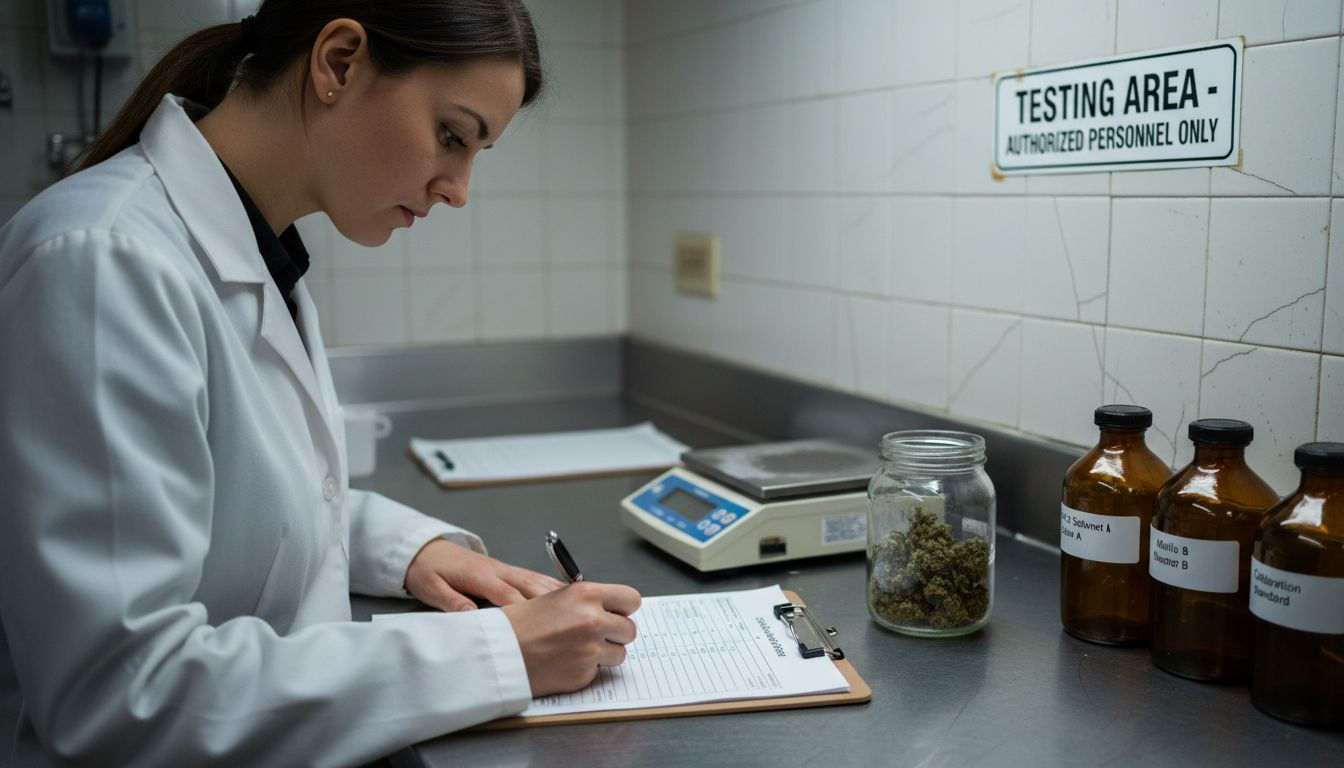
Many jurisdictions mandate testing for potency, pesticides, microbial pathogens, heavy metals, and residual solvents before products reach shelves. Strict product testing standards mandated by legal jurisdictions include potency, pesticide residues, microbial contaminants, and heavy metals, creating a baseline for consumer safety. Not all markets enforce these standards equally, though. Some have comprehensive testing, while others rely on voluntary compliance or spot checks.
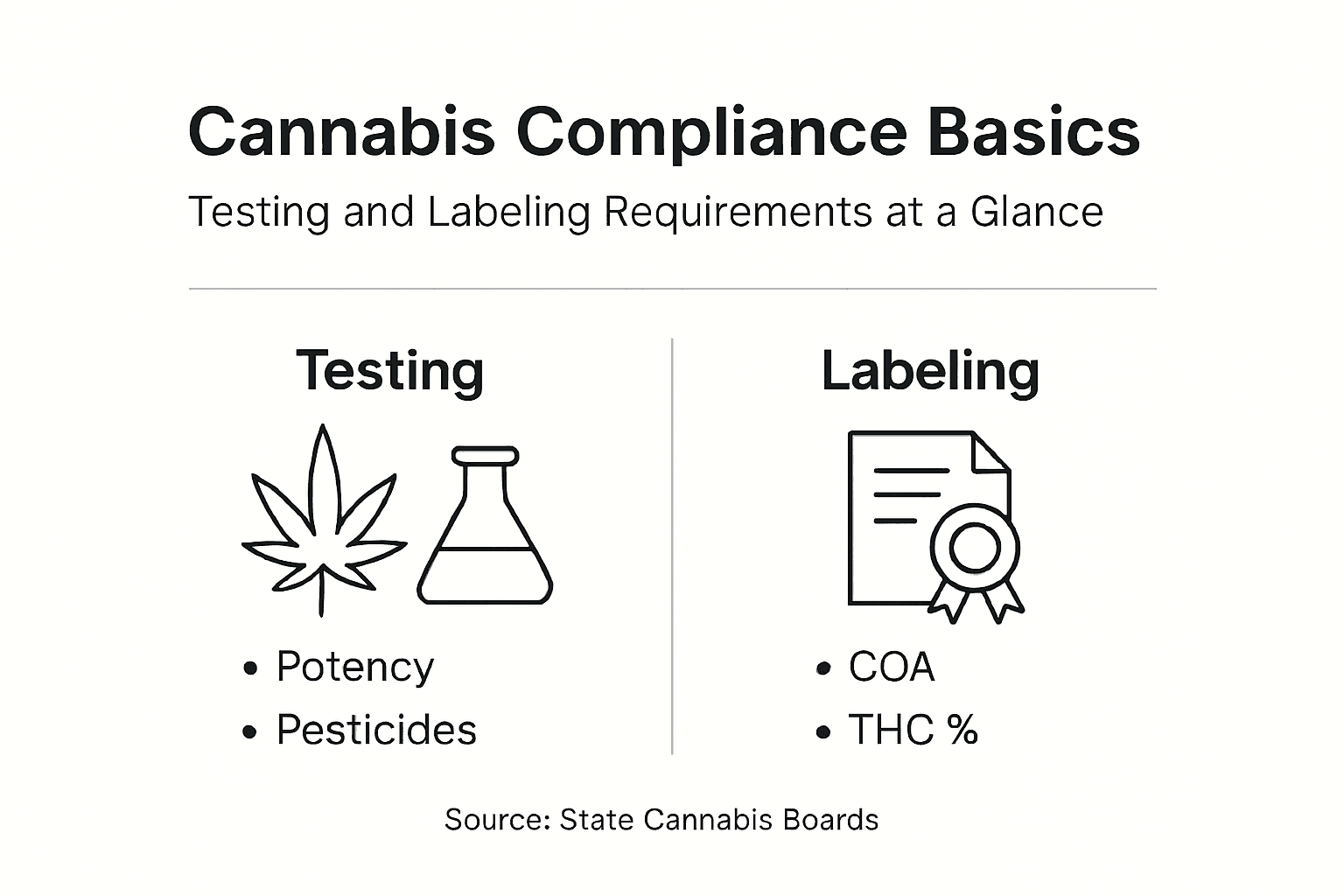
Certificates of Analysis verify test results and should be available for every product. A COA shows cannabinoid percentages, terpene profiles, and whether the product passed safety screenings. Reputable retailers provide COAs on request or display them online. If a seller can’t produce a COA, consider it a red flag.
Product labels must disclose essential information:
- THC and CBD content in milligrams or percentages for accurate dosing
- Ingredients list, especially important for edibles and topicals to identify allergens
- Batch or lot numbers that trace back to specific production runs for quality control
- Safety warnings about consumption, storage, and keeping products away from children
- Lab certification marks or testing facility information confirming independent verification
Consumers who learn to interpret these labels and test results can make informed decisions. Check that THC levels match your tolerance and intended use. Look for clean results with no detected pesticides or heavy metals. Confirm the product was tested by an accredited, independent lab rather than in house testing that may lack objectivity.
Pro Tip: Always check for COAs from licensed, independent labs before purchasing any cannabis product. These documents confirm compliance and safety, protecting you from untested or contaminated items. If you’re exploring options, learn more about cannabis product testing to understand what quality assurance really means.
Common Misconceptions and Compliance Challenges
Misconceptions about cannabis laws trip up even careful consumers. The gap between what people think is legal and what actually is creates unnecessary risk. Let’s clear up the most common myths.
Many assume all cannabis products come with COAs, but testing requirements vary by location. Some jurisdictions mandate comprehensive testing, while others have minimal standards or none at all. Don’t assume a product is tested just because it’s on a shelf.
Possession limits are another source of confusion. Up to 40% of consumers are unaware of potency limits in their jurisdiction, risking accidental non compliance. Recreational and medical limits differ, and many people wrongly believe one set of rules applies to everyone. Always verify which category you fall under and what limits apply.
Public consumption remains illegal in most areas despite legal sales. Legalization doesn’t grant the right to smoke or vape anywhere you choose. Most markets confine use to private property, and violations can result in fines or other penalties.
Buying from any store is not legal. Only licensed retailers can sell cannabis legally. Unlicensed shops or informal sources put you at legal risk and often sell untested, potentially unsafe products. Here are the top misconceptions corrected:
- Myth: All legal cannabis is tested and safe. Reality: Testing standards vary; always verify COAs and lab certifications.
- Myth: Possession limits are the same for everyone. Reality: Limits differ for medical and recreational users and by product type.
- Myth: You can consume cannabis anywhere it’s legal to buy. Reality: Public consumption is banned in over 80% of legal markets.
- Myth: Any store selling cannabis is legitimate. Reality: Only state licensed dispensaries can legally sell cannabis products.
- Myth: Staying under possession limits means you’re always compliant. Reality: Other rules like transport restrictions and consumption location still apply.
Understanding these distinctions helps you avoid accidental violations. For a deeper look at regulatory realities, check out resources on common cannabis misconceptions.
Legal Penalties and Risks of Non Compliance
Ignoring cannabis regulations carries real consequences. Penalties range from minor fines to criminal charges depending on the violation’s severity and your jurisdiction’s enforcement approach. Even in legal markets, non compliance can derail your life.
Purchasing from unlicensed retailers is one of the riskiest mistakes. You face legal penalties and expose yourself to untested, potentially dangerous products. Law enforcement targets illegal sales operations, and buyers can get caught in the crossfire. Fines, product confiscation, and even misdemeanor charges are possible.
Public consumption and improper transportation are common enforcement triggers. Consuming cannabis in public view, even in a legal state, often results in citations. Transporting cannabis improperly, such as in an unsealed container or across state lines, invites trouble during traffic stops.
Failure to comply with possession limits or consumption regulations can lead to fines exceeding $1,000 or misdemeanor charges depending on jurisdiction and offense severity.
Violating possession limits or regulations can result in fines or criminal penalties depending on jurisdiction, with repeat offenses escalating consequences. Even first time violations can create a record that impacts employment, housing, or travel.
Key legal risks include:
- Monetary fines that escalate with repeated violations or larger quantities over the limit
- Misdemeanor or felony charges for significant possession overages or distribution activity
- Product confiscation and loss of purchasing privileges in medical programs
- Court appearances, legal fees, and potential probation for serious infractions
Vigilance is your best defense. Know your local laws, buy only from licensed sources, and keep consumption private. The risks of non compliance are avoidable with awareness and caution. Legal cannabis is a privilege that requires responsibility.
Practical Tips for Compliant Cannabis Purchasing
Staying compliant isn’t complicated once you know the steps. Follow this guide to buy cannabis safely and legally every time.
Start by verifying retailer legitimacy. Check that any dispensary or online store holds a valid state license. Most regulatory agencies publish searchable databases of licensed retailers. Look for license numbers displayed prominently on storefronts or websites. If you can’t confirm licensing, don’t buy.
Next, examine product labels and COAs carefully. Confirm THC and CBD content matches your needs and local potency limits. Review test results for pesticides, heavy metals, and microbial contaminants. Reputable sellers make this information easy to access. If it’s hidden or unavailable, shop elsewhere.
Stay informed about legal changes. Cannabis regulations evolve as jurisdictions refine their approaches. Subscribe to updates from your state’s cannabis regulatory agency or follow trusted legal news sources. What was compliant last year might not be today.
Here’s your step by step compliance checklist:
- Research your jurisdiction’s current possession limits, product type restrictions, and consumption rules.
- Verify any retailer’s licensing status through official state databases before making a purchase.
- Request and review the Certificate of Analysis for products you’re considering to confirm safety testing.
- Check product labels for accurate THC/CBD content, ingredients, and batch information before buying.
- Confirm your intended consumption location is private and legally permitted under local laws.
- Store cannabis securely at home in childproof containers, away from minors and pets.
- Transport purchases in sealed, original packaging and never across state or international borders.
Pro Tip: Subscribe to regulatory updates from your state’s cannabis authority to stay current as laws evolve. Proactive awareness beats reactive scrambling when rules change unexpectedly.
For more detailed guidance, explore tips on safe cannabis shopping, checking cannabis certificates, and finding licensed cannabis retailers you can trust.
Explore Premium Cannabis Strains with Confidence
Now that you understand the legal landscape, it’s time to apply that knowledge. Finding premium cannabis products that meet your needs and comply with regulations doesn’t have to be stressful.
Explore curated selections that prioritize quality, transparency, and legal compliance. Whether you’re interested in learning about essential cannabis strains or need guidance on strain selection for your specific preferences, expert resources help you make informed choices. Understanding cannabis flower grading ensures you recognize quality when you see it, making every purchase confident and compliant.
FAQ
What are the possession limits for cannabis in legal markets?
Possession limits vary widely by jurisdiction and product type, typically measured in ounces for flower and grams for concentrates or edibles. Recreational users often can possess one ounce of flower, while medical patients may have different limits. Always check your local laws for exact amounts to avoid unintentional violations.
How do medicinal cannabis regulations differ from recreational rules?
Medicinal cannabis regulations generally include lower possession limits and require patient registration or certification with health authorities. Medical users often access specialized products or higher potencies unavailable to recreational consumers. Recreational cannabis is less restrictive regarding registration but may have higher taxes and different product availability.
What should consumers look for on cannabis product labels?
Check for THC and CBD content in milligrams or percentages to ensure proper dosing, along with testing certifications like Certificates of Analysis from independent labs. Ingredient lists are crucial for edibles and topicals to identify potential allergens. Look for lab tested seals, batch numbers, and safety warnings to confirm compliance and quality.
Are public cannabis consumption and purchasing from any store always legal?
Public cannabis consumption remains illegal in most legal markets, with over 80% restricting use to private property to address public health concerns. Purchasing is legal only from state licensed retailers; unlicensed shops and informal sources expose you to legal penalties and unsafe, untested products. Always verify retailer licensing and consume only in permitted private spaces.